The short version
- Fifteen Australians are among dozens missing after severe flooding hit a trekking region near the China border.
- A tour operator who surveyed the area by helicopter expressed little hope for survival due to total destruction.
- Australian officials are coordinating with local agencies to verify casualty numbers and locate survivors.
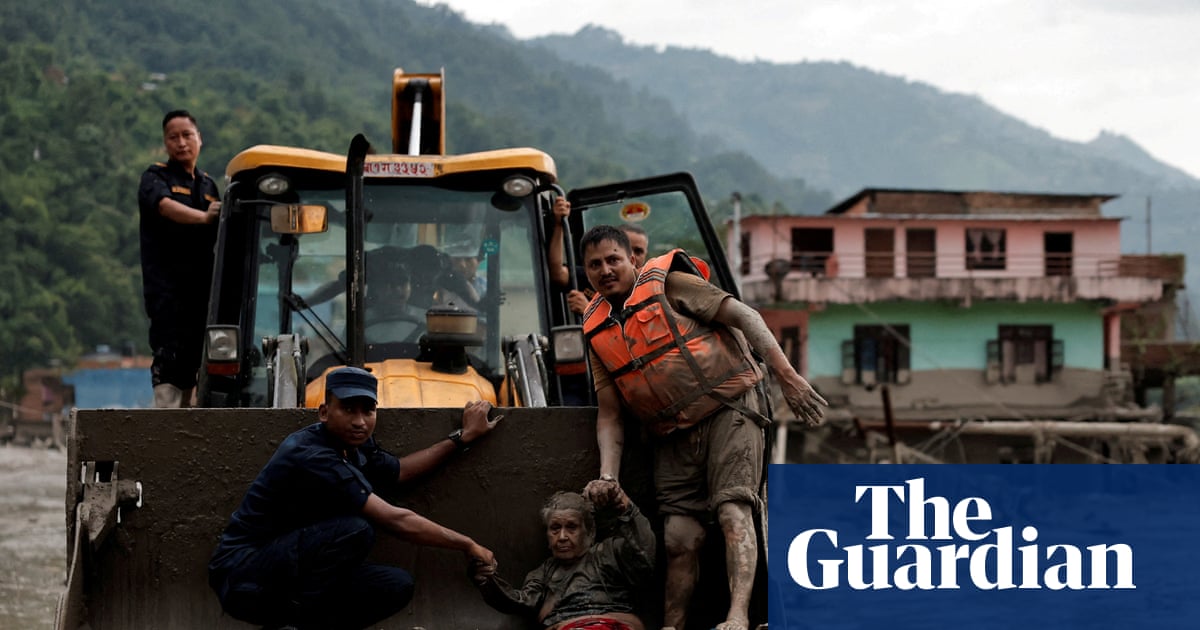
Severe flash flooding in a valley straddling the border between Nepal and Tibet has resulted in significant loss of life, with at least 165 confirmed deaths and hundreds more unaccounted for. Among those missing is a group of tourists that includes fifteen Australians, ranging in age from eleven to sixty-four. The incident has drawn urgent attention from Australian authorities, who are working to determine the fate of citizens caught in the disaster zone.
Sagar Pandey, the founder and chief executive of Himalayan Glacier Trekking, stated that he has lost all communication with a tour group of forty-seven people operating in the Rasuwa area. This group included nationals from the United Kingdom, the United States, Canada, and Singapore, alongside local guides. Pandey indicated that the missing Australians likely include two families of four from New South Wales, with at least ten individuals hailing from that state.
The tour group had traveled approximately seven hours by road from Kathmandu before heading toward the Chinese border on the morning the flood struck. They were scheduled to depart for the border region around 8:30 a.m. Pandey reported that the sudden surge of water devastated the valley, sweeping away infrastructure and leaving no visible signs of human settlement in the hardest-hit areas.
After conducting an aerial survey via helicopter, Pandey described the scene as devoid of civilization, noting that the floodwaters had erased all man-made structures. He observed roughly one hundred people on higher ground, whom he believed were locals who managed to escape the immediate danger. Despite this small number of survivors, Pandey expressed a grim outlook regarding his missing clients, estimating only a one percent chance of survival for those swept away.
Australian Foreign Minister Penny Wong confirmed that the count of fifteen missing Australians is based on reports from tour operators in the region. She noted that initial figures suggest at least thirty-four Australians may be affected, though this number could rise as more information becomes available. The government is actively seeking to identify any additional citizens who may not yet be accounted for by local agencies.
Other tour companies operating in the vicinity have also reported missing persons. Kathmandu Holiday Tours and Travels listed one Australian as unaccounted for, while Kailash Journeys Guides indicated that up to six Australians were traveling with them. The Trekkers’ Society released a statement confirming that ninety-two travelers, including seventy-seven foreign nationals, had gone missing, though they did not specify the nationalities involved.
The affected area is a popular destination for Hindus undertaking the Kailash Yatra, a multi-day pilgrimage trek. The disaster has disrupted travel and communication networks in the region, complicating rescue efforts. Local tour operators have been coordinating to share information about missing guides and clients, but the scale of the destruction has hindered immediate recovery operations.
Community organizations in Australia have responded with expressions of solidarity. The Hindu Council Australia issued a statement offering support to affected families and rescue teams in Nepal. Sai Paravastu, the national president of the council, acknowledged the distress experienced by Australian relatives awaiting news of their loved ones in the impacted region.
As search and rescue operations continue, authorities face significant challenges due to the remote location and the extent of the environmental damage. The lack of communication from the ground makes it difficult to verify survival rates or locate survivors. International aid and diplomatic efforts are expected to intensify as the full scope of the tragedy becomes clearer.
The incident highlights the vulnerabilities faced by tourists in high-risk trekking regions prone to extreme weather events. While initial reports suggest a catastrophic loss of life, officials remain cautious about finalizing casualty counts until comprehensive assessments can be conducted. Families of the missing are urged to contact official channels for updates as information is verified.
Sources behind this briefing
Go to the original reporting
- The Guardian World↗Nepal floods: children as young as 11 among Australian tour group missing after flash flooding

