The short version
- The Australian Labor Party is leveraging Pauline Hanson’s criticism of superannuation to argue that a Coalition minority government would dismantle the retirement savings system.
- Hanson has called for greater access to funds during financial hardship and for first-home buyers, echoing sentiments held by some Liberal frontbenchers but without offering concrete policy frameworks.
- Political analysts suggest the debate allows Hanson to dominate the news cycle while depriving opposition leader Angus Taylor of significant political momentum.
The Australian political landscape is currently defined by a heated dispute over the future of the nation’s superannuation system, with the ruling Labor Party attempting to frame the issue as an existential threat under potential Coalition governance. This strategic maneuvering follows a series of public comments from One Nation leader Pauline Hanson, who has argued that the current compulsory savings model is broken and fails to assist Australians facing immediate financial distress. By linking Hanson’s rhetoric to broader opposition sentiments, Labor aims to consolidate support for the existing framework ahead of future elections.
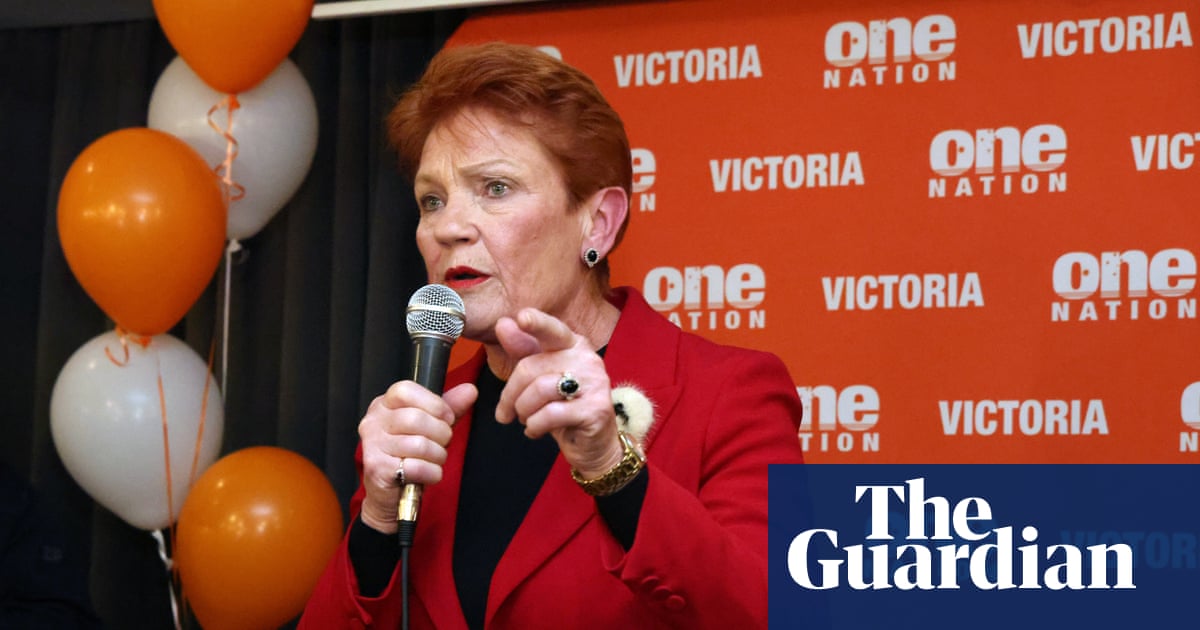
Hanson recently intensified her critique by accusing Treasurer Jim Chalmers of dishonesty regarding One Nation’s intentions toward retirement savings. She asserted that the government prioritizes political ideology over the financial well-being of citizens who may need access to their funds during periods of hardship. Her comments suggested that many individuals are already withdrawing money prematurely, only to rely on aged pensions later in life, a scenario she argues the system was designed to prevent. This narrative resonates with voters frustrated by the cost-of-living crisis, even though it lacks detailed policy backing.
The debate gained further traction after Liberal frontbencher Andrew Bragg described superannuation as one of the most significant public policy failures since federation. While Bragg’s remarks were critical of compulsory saving rules, they aligned with Hanson’s broader argument that the system requires reform to better serve those in financial difficulty. Hanson has suggested that first-home buyers should be permitted to use their superannuation savings for housing deposits, a proposal that polls indicate enjoys majority support among Australians. However, these suggestions remain conceptual rather than structured policy proposals.
Labor has responded by characterizing the opposition’s stance as a coordinated effort to dismantle the $4.5 trillion superannuation system. The party argues that Hanson and the Coalition would collaborate in a minority government scenario to weaken retirement savings protections. Treasurer Chalmers emphasized that current hardship provisions are appropriate and sufficient, warning that savings are not secure under conservative leadership. This defensive posture reflects Labor’s view of superannuation as a cornerstone achievement comparable to Medicare, worthy of vigorous protection against perceived threats.
Despite the intensity of the rhetoric, the Coalition has attempted to distance itself from Hanson’s more radical proposals. Deputy Liberal leader Jane Hume stated that while a Coalition government might review early access rules, the system remains highly valued and essential for retirement security. Opposition leader Angus Taylor has similarly balanced criticism of current investment flexibility with support for the overall structure of superannuation. This nuanced position highlights the difficulty the opposition faces in addressing voter concerns without alienating moderate supporters or appearing to endorse systemic dismantling.
Political observers note that this dynamic reveals a significant weakness in the current political environment, where Hanson is permitted to offer broad critiques without the expectation of detailed policy solutions. Unlike traditional politicians who must present modeled outcomes and expert-backed positions, Hanson’s influence stems from her ability to articulate simple, emotionally resonant messages. Her statements function as thought bubbles rather than comprehensive platforms, yet they effectively rally disaffected voters who feel excluded from mainstream political discourse.
The strategic implications of this debate extend beyond immediate policy discussions. For Labor, the controversy provides a potent fundraising tool and a clear narrative for the lead-up to the 2028 election. By framing superannuation as a binary choice between protection and destruction, the government seeks to solidify its base and attract undecided voters concerned about their financial future. Conversely, the Coalition risks being overshadowed by Hanson’s prominence, with Taylor potentially deprived of political oxygen as the media focuses on One Nation’s disruptive messaging.
Ultimately, the superannuation debate underscores the challenges facing all sides of Australian politics in addressing economic anxiety. While Hanson’s comments have sparked renewed interest in retirement savings reform, the absence of concrete policy alternatives limits their practical impact. The government’s defensive stance and the opposition’s cautious responses reflect a broader uncertainty about how to balance fiscal responsibility with immediate voter needs. As the election cycle approaches, the ability of each party to articulate clear, credible solutions will likely determine the outcome of this ongoing political contest.
The situation also highlights the evolving nature of political communication in Australia, where traditional policy debates are increasingly influenced by populist rhetoric and social media dynamics. Hanson’s success in dominating the news cycle demonstrates the power of concise, emotionally charged messaging in capturing public attention. For established parties, the challenge lies in responding to these narratives without conceding ground on core principles or appearing out of touch with voter concerns. The coming months will test their ability to navigate this complex landscape while maintaining political relevance.
As the debate continues, stakeholders across the political spectrum must consider the long-term implications for Australia’s retirement savings system. Any significant changes could affect millions of Australians and have lasting economic consequences. Therefore, careful deliberation and evidence-based policymaking remain essential, even amidst the heat of electoral competition. The current discourse serves as a reminder that superannuation is not just a political issue but a critical component of national financial security that requires thoughtful and sustained attention.
Sources behind this briefing
Go to the original reporting
- The Guardian World↗Labor thinks it can win elections defending super. For Hanson, it’s just another way to deprive Taylor of political oxygen