The short version
- Twenty-four researchers are being evacuated from Macquarie Island due to psychosocial risks associated with potential mass elephant seal mortality from H5N1 bird flu.
- A common dolphin tested positive for the virus in South Australia, becoming the second native mammal species confirmed to carry the pathogen in the region.
- New South Wales has initiated vaccination trials for wild little penguins and captive birds, while South Australia is decentralizing testing capabilities to local laboratories.
The Australian federal government has ordered the evacuation of twenty-four expeditioners stationed at Macquarie Island, a remote research outpost in the Southern Ocean. This decision marks a significant shift in how authorities manage the intersection of wildlife health crises and human safety in isolated environments. Officials cited the 'psychosocial risk' of researchers witnessing large-scale animal deaths as the primary driver for the withdrawal. The move underscores the growing complexity of managing H5N1 bird flu outbreaks, which now extend beyond immediate biological threats to include the mental well-being of scientific staff.
Macquarie Island hosts substantial populations of southern elephant seals, with thousands of pups born near the station buildings each spring. Although the virus has not yet been detected on the island itself, expert assessments predict a high likelihood of significant mortality during the upcoming breeding season. This projection is informed by recent events at Heard Island and McDonald Islands, where drone surveys identified more than 13,000 dead seal pups in 2025 and 2026. The proximity of these colonies to human infrastructure creates a unique scenario not found at other Australian Antarctic stations or on the mainland.
Sean Sullivan, deputy secretary of the department, described the evacuation as an unusual but necessary measure to prioritize staff health. He noted that while the direct risk of H5N1 transmission to humans remains low, the psychological toll of living near potentially massive numbers of affected animals cannot be ignored. The researchers operate in one of the world's most challenging environments, and the government aims to minimize risks across the entire Antarctic program before any mass mortality event occurs. Authorities are currently exploring alternative monitoring options for the island, with the goal of returning expeditioners in future seasons.
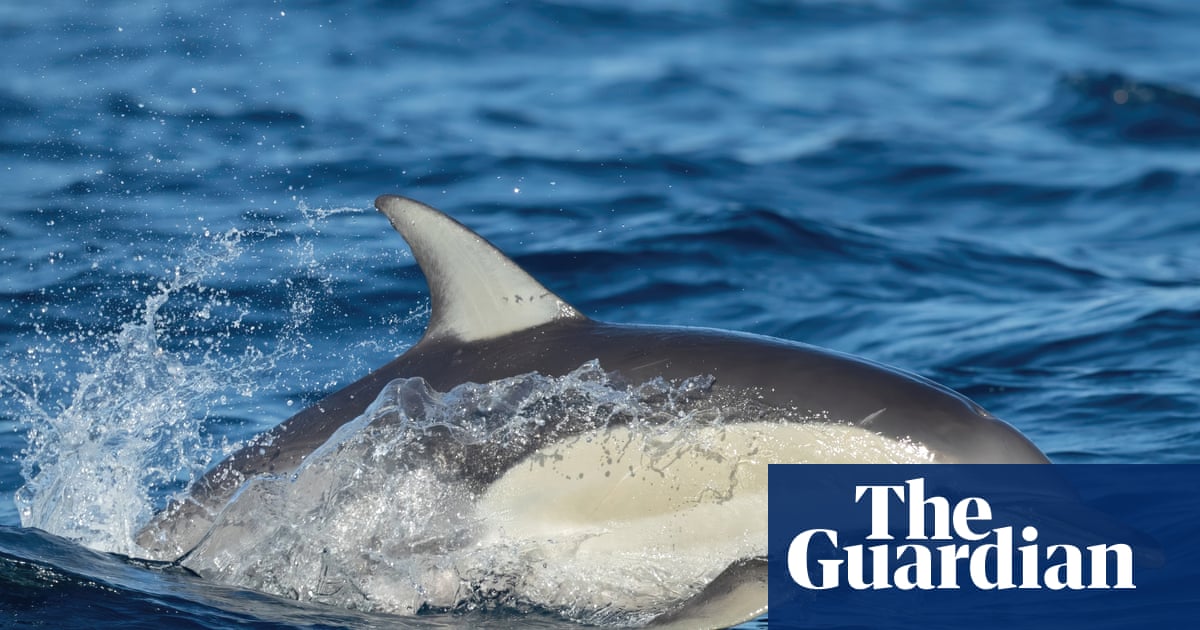
Concurrently, the virus has expanded its reach among marine mammals on the Australian mainland. A common dolphin found deceased near Goolwa on South Australia’s Fleurieu Peninsula tested positive for H5N1. This case represents the second native mammal species known to have contracted the virus in the country, following earlier detections in long-nosed fur seals at Beachport and the Pages Islands. The federal government has rated common dolphins as high risk, warning that severe population declines could occur where the virus establishes itself. While dolphins do not typically consume birds, interactions between the species are not uncommon.
State officials emphasized that this detection aligns with international trends, noting evidence of dolphins and porpoises contracting H5 bird flu overseas. The sample from the South Australian dolphin has been sent to the Australian Centre for Disease Preparedness for further analysis. This confirmation follows a previous case involving a red fox, a feral pest species, near Port Adelaide. These incidents highlight the virus's ability to cross species barriers and affect diverse ecosystems, prompting heightened vigilance among wildlife health agencies.
In response to the evolving situation, state governments are adjusting their operational protocols. South Australia announced it will begin confirming H5 bird flu cases through local laboratories, eliminating the previous requirement for verification by the CSIRO’s Australian Centre for Disease Preparedness in Geelong. This decentralization of testing aims to improve response times and efficiency as the number of potential cases increases. The shift reflects a broader strategy to manage the logistical challenges of widespread surveillance.
Meanwhile, New South Wales has taken proactive steps to protect vulnerable bird populations. The state government plans to vaccinate wild little penguins at Manly and Barunguba Montague Island. Additionally, trial cohorts of captive birds, including little penguins, Carnaby’s black cockatoos, and red-tailed black cockatoos, have received initial vaccinations at Taronga Zoo. These measures represent an experimental approach to mitigating the impact of H5N1 on endangered species, balancing immediate protection needs with long-term conservation goals.
The combination of evacuations, new infections, and vaccination trials illustrates the multifaceted challenge posed by the avian influenza outbreak. As authorities navigate the psychological risks for researchers and the biological threats to wildlife, the situation remains fluid. The decision to withdraw staff from Macquarie Island sets a precedent for how remote scientific operations may need to adapt in the face of environmental health crises. Future monitoring efforts will likely focus on balancing data collection with the safety and well-being of both human personnel and animal populations.
Sources behind this briefing
Go to the original reporting
- The Guardian World↗Dolphin dies from H5 bird flu in SA as researchers withdrawn from sub-Antarctic island over ‘psychosocial risk’

