The short version
- Prime Minister Anthony Albanese addressed a gathering in Canberra to mark the 25th anniversary of Australia's involvement in the Afghanistan conflict.
- Ben Roberts-Smith, Australia's most decorated living soldier who faces serious criminal allegations, attended the event after bail conditions were modified.
- Veterans expressed pride in their service and humanitarian contributions, contrasting current Taliban rule with the freedoms established during the mission.
Prime Minister Anthony Albanese joined hundreds of veterans, family members, and dignitaries at the Australian War Memorial in Canberra on Sunday to commemorate the 25th anniversary of Australia’s military involvement in Afghanistan. The event served as a formal recognition of the more than 35,000 defense force members who deployed over two decades, framing their service as a fundamental expression of national identity and alliance obligations.
Albanese described the initial decision to join Operation Slipper as a response to the global shock following the September 11 attacks. He noted that although the conflict did not initially pose a direct threat to Australian soil, the government acted on the principle that the attacks targeted a way of life shared by Australians. The prime minister emphasized that troops deployed because core freedoms were perceived to be under threat.
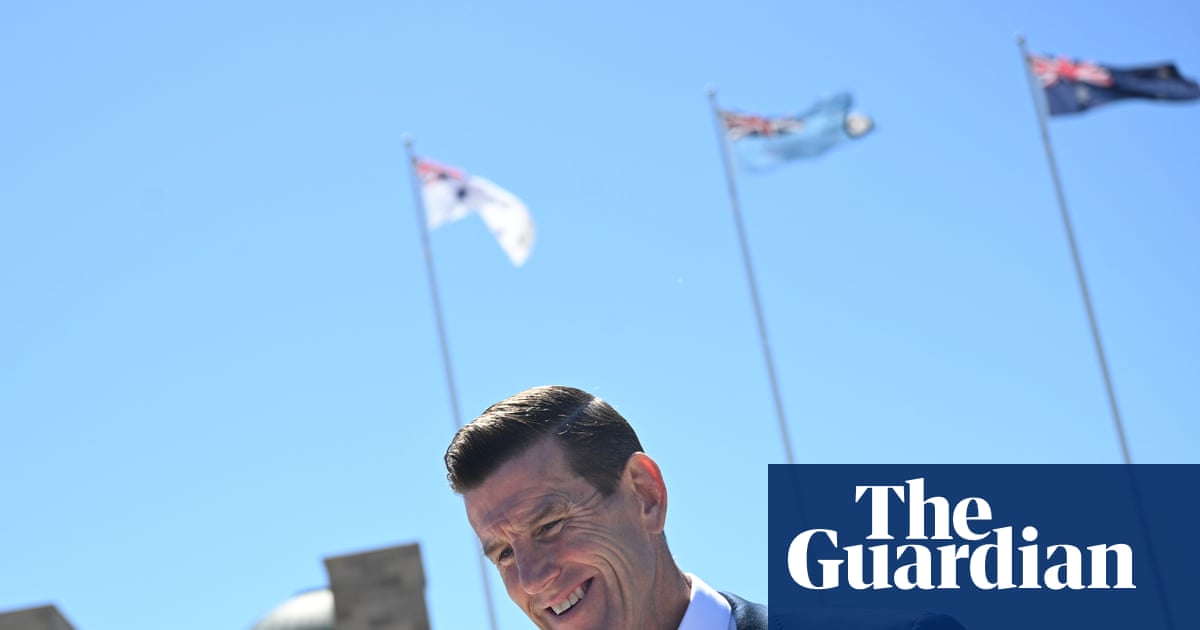
The commemoration drew significant attention due to the presence of Ben Roberts-Smith, the former Special Air Service regiment corporal who received the Victoria Cross for his service in Afghanistan. Roberts-Smith attended alongside his partner and supporters after a judge agreed to vary his bail conditions, permitting travel to Canberra. His attendance occurred despite serious allegations that he murdered five unarmed detainees during his deployment, charges he denies.
Former prime ministers John Howard, Tony Abbott, and Scott Morrison were also present at the memorial service, along with Governor-General Sam Mostyn and opposition leader Angus Taylor. The gathering took place under bright sunshine, bringing together political figures from across the spectrum to honor the fallen and wounded. Approximately 47 Australian personnel died as a result of their service, while 263 others were wounded.
The broader context of the conflict includes tens of thousands of civilian casualties and the eventual withdrawal of international forces in 2021. The United States departed shortly after signing an agreement with the Taliban, who quickly reestablished authoritarian control. This shift has included strict suppression of rights for women and girls, marking a stark reversal from the conditions during the height of the coalition presence.
Despite the controversy surrounding the war’s legacy and the legal challenges facing some veterans, many soldiers remain intensely proud of their contributions. Mathew Bell, a former lance corporal deployed in 2012 to a forward operating base west of Tarinkot, recalled his unit’s work with a sense of honor. He highlighted improvements in local education, medical services, and general freedom during the mission.
Bell contrasted the stability achieved by his unit with the current oppression under Taliban rule. He described patrols through desert and green zones aimed at keeping Taliban forces at bay, noting that stepping beyond certain boundaries meant entering hostile territory. His section faced significant danger, including roadside bomb explosions and sniper fire that pinned them down on multiple occasions.
Commemorative services were not limited to Canberra; events also took place at the Anzac Memorial in Sydney’s Hyde Park, Melbourne’s Shrine of Remembrance, and other sites nationwide. These gatherings acknowledged the diverse roles played by Australian forces, which included reconstruction efforts, democratic governance training, and humanitarian aid. The mission evolved from Operation Slipper to Operation Highroad between 2015 and 2021, concluding with the Kabul airlift in August 2021.
The juxtaposition of national honor and individual legal scrutiny underscores the complex legacy of the Afghanistan campaign. While political leaders emphasize the moral imperative of supporting allies and defending shared values, the presence of a accused war criminal at a state memorial highlights unresolved questions about conduct and accountability. The event served as both a tribute to sacrifice and a reminder of the enduring debates surrounding modern warfare.
As Australia reflects on this quarter-century milestone, the focus remains on the human cost and the changing geopolitical landscape. The withdrawal marked the end of a long chapter in Australian defense history, leaving behind a legacy that veterans like Bell view as fundamentally positive despite the eventual collapse of the Afghan government. The nation continues to grapple with how to remember a conflict that defined a generation of service members.
Sources behind this briefing
Go to the original reporting
- The Guardian World↗Ben Roberts-Smith attends Canberra event honouring Australian troops who served in Afghanistan