The short version
- Federal police commissioner Krissy Barrett connected overheated political rhetoric, including graphic cartoons, to an increase in violent threats against politicians.
- One Nation leader Pauline Hanson refused to remove controversial animations depicting the murder of Foreign Affairs Minister Penny Wong, claiming censorship motives by rival parties.
- Critics argue the content promotes division and violence, while One Nation defenders characterize the material as protected free speech and political satire.
Australian federal authorities have drawn a direct line between inflammatory political content and a surge in violent threats targeting elected officials. Federal Police Commissioner Krissy Barrett issued a public appeal for politicians to adopt more respectful and cautious language, citing a correlation between overheated rhetoric and the safety risks faced by lawmakers. This warning comes as parliament intensifies its focus on security protocols following an alleged attack against Indi Member of Parliament Helen Haines earlier in the week.
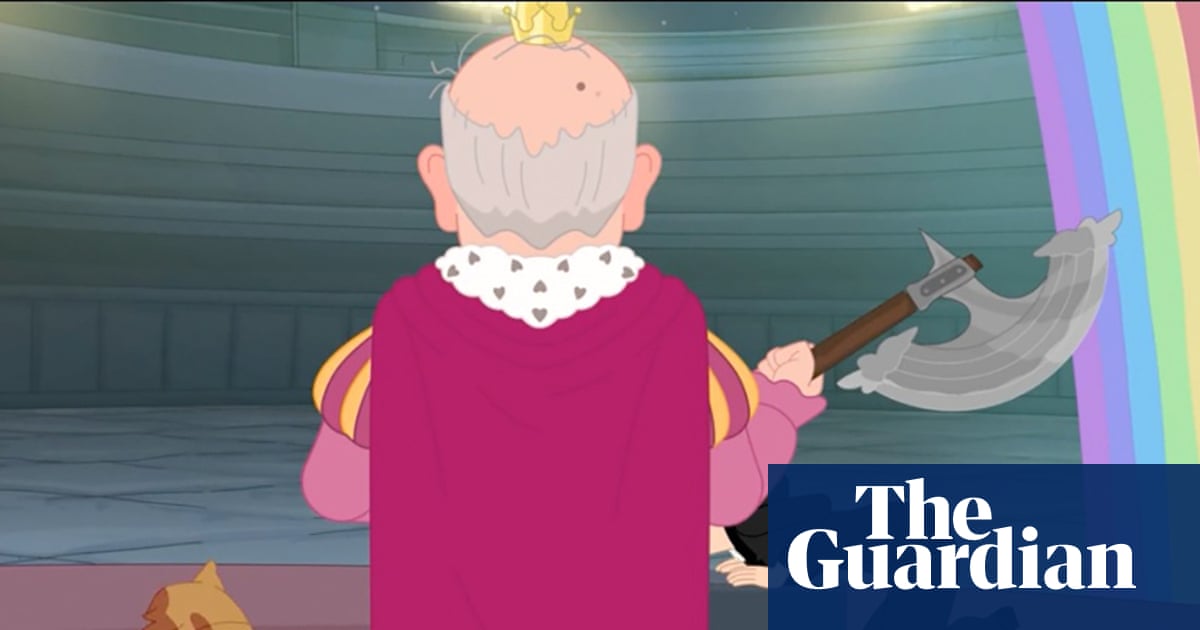
The controversy centers on animated content produced by One Nation leader Pauline Hanson, which has drawn sharp condemnation from the Labor Party. The animations include graphic depictions of violence against Foreign Affairs Minister Penny Wong. In one instance from a 2022 episode of Hanson’s series Please Explain, Wong is shown being killed by Prime Minister Anthony Albanese. Another scene, from a February release titled Super Progressive Movie, portrays Wong being beheaded by Albanese, who mistakenly believes he is striking Hanson with an axe.
Labor officials have accused Hanson of fostering division and inciting violence through these portrayals. They argue that such content undermines the dignity of public office and contributes to a hostile political environment. The party contends that elected representatives should focus on improving citizens' lives rather than engaging in personal attacks or promoting divisive imagery. This criticism reflects broader concerns about the tone of contemporary Australian political discourse.
Hanson has firmly rejected calls to remove the content, asserting that her cartoons are unrelated to the recent attack on Haines. She claimed that both Labor and Liberal parties are attempting to censor her work because they dislike the scrutiny it brings. According to Hanson, the videos will remain online regardless of political pressure. Her stance highlights a deepening rift between One Nation and mainstream political parties regarding acceptable boundaries for political commentary.
Mark Nicholson, the creator of the cartoons and a One Nation candidate in the upcoming Victorian state election, also declined to apologize for his work. He defended the content as a form of parody that powerful public figures must accept as part of their role. Nicholson argued that individuals in the public realm invite both praise and ridicule, suggesting that criticism is an inevitable consequence of holding office. He maintained that his goal was to provide a reality check for those in positions of power.
Warren Pickering, One Nation’s Victorian leader, echoed these defenses while acknowledging the need to lower the temperature in political debates. He compared the cartoons to classic animated characters like Wile E Coyote and the Road Runner, framing them as harmless expressions of free speech. Pickering admitted that the content might not always be in good taste or defensible but insisted it serves as a medium for engaging in broader political dialogue.
The debate extends beyond Wong to include other political figures. Nicholson faced backlash for an episode mocking Tasmanian Senator Jacqui Lambie’s health conditions, specifically referencing her prolapsed vagina. Despite the criticism, Pickering argued that such cartoons raise important issues and challenge viewers to consider perspectives often ignored in mainstream discourse. He challenged opponents to produce their own comedic content, suggesting that Labor lacks the ability to engage in similar satire.
As the political landscape remains tense, the incident underscores the difficulty of balancing free expression with the need for respectful public discourse. Police warnings indicate a growing concern that inflammatory content may contribute to real-world violence against politicians. The situation highlights ongoing challenges in defining appropriate limits for political satire and commentary in an era of heightened polarization.
Moving forward, the focus will likely remain on how political parties respond to these incidents and whether new measures can be implemented to protect officials without infringing on free speech. The controversy also raises questions about the role of social media platforms in moderating content that may incite violence or division. As elections approach, the tone of political communication could have significant implications for public trust and safety.
The incident serves as a reminder of the delicate balance between holding politicians accountable and maintaining a respectful democratic process. While some view the cartoons as legitimate criticism, others see them as dangerous provocations. The resolution of this conflict will depend on how stakeholders navigate these competing values in the coming months.
Sources behind this briefing
Go to the original reporting
- The Guardian World↗Labor condemns One Nation cartoons depicting Penny Wong being murdered as Hanson says videos ‘not going anywhere’