The short version
- New South Wales Premier Chris Minns warns that an anticipated interest rate rise could cause permanent job losses and business closures, urging government spending restraint.
- Federal Labor leaders attribute inflationary pressures to global factors, including international conflict, while defending upcoming budget savings measures as necessary but limited.
- Labor faces internal frustration and declining poll numbers, with opposition figures accusing the government of fiscal mismanagement ahead of the Reserve Bank's decision.
Political tension in Australia has intensified as the Reserve Bank prepares to announce its latest cash rate decision, with markets widely predicting a fifth increase for the year. Financial analysts expect the benchmark rate to climb to 4.85 percent, which would mark the highest level in nearly two decades. This anticipated move places significant strain on the federal government led by Prime Minister Anthony Albanese, who is currently attending a summit abroad and will not be present for the announcement. The decision falls to Treasurer Jim Chalmers to address the public and media, highlighting the gravity of the moment for the ruling Labor party.
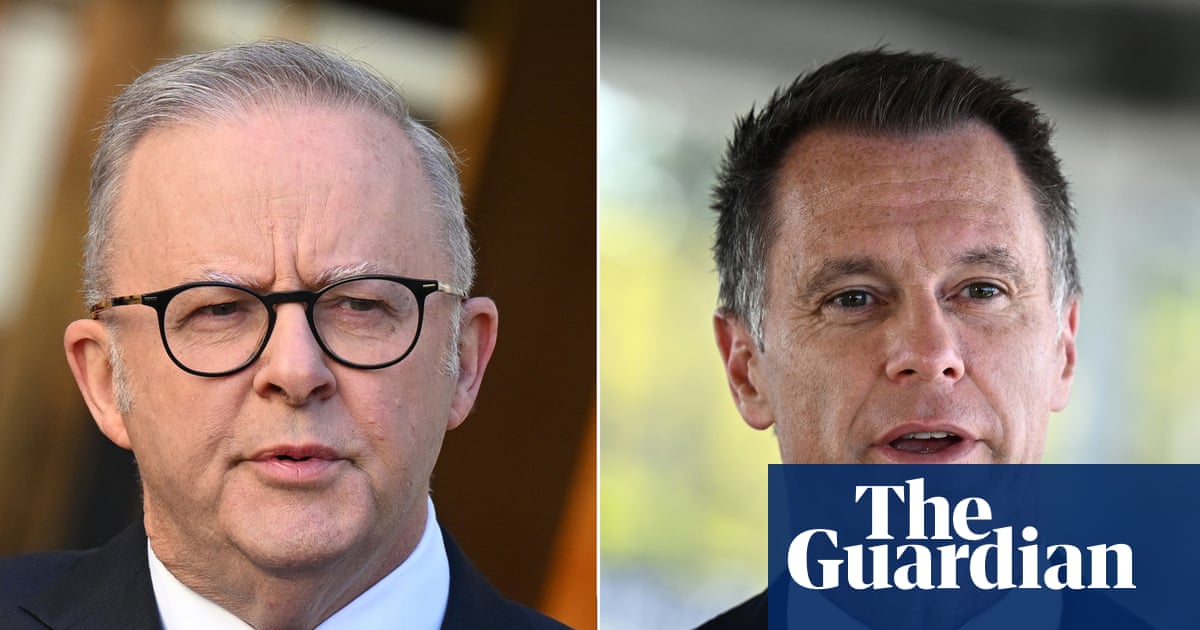
New South Wales Premier Chris Minns has issued stark warnings about the potential consequences of another rate hike. He argued that the impact on his state’s economy would be severe, predicting that some businesses would shut down permanently and jobs would disappear without replacement. Minns insisted that the central bank faces a difficult choice and urged both federal and state governments to reduce their spending to alleviate pressure on the broader economy. His comments reflect growing dissatisfaction among some political figures regarding the current economic trajectory.
In contrast, federal ministers have defended the government’s fiscal position by pointing to external forces driving inflation. Environment Minister Murray Watt emphasized that price increases are a global phenomenon, noting that even drastic cuts to the Australian budget would not eliminate inflationary pressures caused by international events. He specifically cited conflicts in the Middle East as a contributing factor to rising costs. This perspective attempts to shift blame away from domestic policy decisions and toward uncontrollable geopolitical realities.
Despite these defenses, internal frustration within the Labor party is mounting. One member of parliament described voter anger as already high before the rate decision, comparing the current political climate to previous periods of low polling during the government’s first term. The MP expressed hope that inflation would follow a similar downward trend as it did before the 2025 election, when rates fell within the central bank’s target band after peaking at nearly eight percent. However, the current midpoint in the economic cycle has left many citizens feeling discontented.
Opposition leaders have seized on these vulnerabilities to criticize the government’s management of the economy. Opposition Leader Angus Taylor accused Labor of losing control over both spending and inflation, arguing that the Reserve Bank is forced to compensate for fiscal mismanagement. He claimed that the government’s inability to restrain its budget has necessitated harsher monetary policy measures. This criticism aligns with broader concerns about the sustainability of current economic policies.
Labor frontbencher Tanya Plibersek offered support for Treasurer Chalmers, acknowledging that significant financial reforms often draw public backlash. She insisted that the upcoming mid-year budget update would include meaningful savings without disproportionately harming households. Plibersek framed the situation as a necessary adjustment rather than a failure of governance, urging unity within the party despite external pressures.
Community organizations and labor unions have also voiced strong opposition to further rate increases. Melissa Donnelly, secretary of the Australian Council of Trade Unions, argued that workers are already struggling with cost-of-living pressures and cannot withstand additional financial strain. She blamed large corporations and banks for exacerbating the crisis through aggressive pricing strategies. Similarly, Cassandra Goldie, chief executive of the Australian Council of Social Service, warned that higher interest rates could lead to increased unemployment and force more people to rely on inadequate social support systems.
Recent polling data underscores the political risks facing the Labor government. A Newspoll conducted on Monday showed Labor’s primary vote at 27 percent, trailing behind One Nation’s 28 percent but still ahead of the Coalition’s 21 percent. These figures suggest that while Labor retains a lead over its main rival, it is losing ground to smaller parties and facing significant voter dissatisfaction. The outcome of the Reserve Bank’s decision could further influence public sentiment and shape the political landscape in the coming months.
As the announcement approaches, the divergence between state and federal perspectives highlights the complexity of addressing inflation in a globalized economy. While some leaders advocate for fiscal restraint to ease pressure on households, others emphasize the role of international factors beyond domestic control. The Reserve Bank’s decision will likely have immediate effects on borrowing costs and consumer spending, with long-term implications for employment and business stability. All eyes remain on Tuesday’s announcement to see how policymakers balance these competing priorities.
Sources behind this briefing
Go to the original reporting
- The Guardian World↗Minns warns expected RBA rate rise will see ‘shops close that don’t reopen’ as pressure mounts on PM


