The short version
- The Australian National Imams’ Council has issued a strong condemnation of remarks attributed to a Melbourne preacher that appeared to call for armed opposition against Jews, Christians, and other groups.
- The preacher maintains the comments were part of an academic reading from a book on theological concepts and not a personal endorsement of violence or harm toward peaceful non-Muslims.
- Independent MP Allegra Spender cited the controversy as evidence that Australia requires stronger, nationally consistent laws to address hate speech and vilification.
The Australian National Imams’ Council has expressed deep concern regarding reports that a Melbourne-based Islamic preacher urged followers to take up arms against their enemies. The peak body for imams released a statement on Tuesday following media revelations that the cleric, known as Abu Ahmad, made these comments during a sermon in July. The council emphasized that it unequivocally condemns any call by religious or non-religious leaders to incite violence against civilians, religious communities, or the broader Australian public.
The controversy centers on a video posted to the social media feed of the Al Bayyinah Islamic Centre in Melbourne. In the footage, Ahmad is heard reading from a book chapter that states Muslims should not consider Jews and Christians as friends. The text he read included passages declaring an obligation to oppose enemies for the sake of Allah, including taking up arms against them and shunning them in both word and deed. The material also referenced various groups, such as atheists, modernists, Zionists, and communists, alleging they seek to erode Muslim character.
In response to the backlash, Ahmad issued a statement via Instagram on Monday, clarifying the context of his remarks. He asserted that the words attributed to him were excerpts from a book he was reading during a lesson on al-Walāʾ wal-Barāʾ, a theological concept concerning loyalty and disavowal. According to Ahmad, these statements did not constitute a personal call for Muslims to attack Christians, Jews, or other non-Muslims. He argued that omitting the subsequent explanation from the video created a misleading impression of his teaching.
Ahmad attached a separate video to his Instagram post, which he described as an explanation of the passage in question. In this additional material, he stated that the lesson does not permit harming, oppressing, or being unjust toward peaceful non-Muslims. He maintained that the full context of the lesson contradicts the interpretation that he was advocating for violence or hostility against specific religious groups.
The Australian National Imams’ Council stated it would refrain from making definitive findings about the individual or the precise context of the remarks until it could properly review all available material. However, the council reiterated its categorical rejection of incitement to violence, hatred, or harm against any person or community. It stressed that Islamic teachings require Muslims to honor the sanctity of human life and fulfill their responsibilities to society.
The council highlighted that ensuring the safety, security, and wellbeing of Australia and its people is a fundamental responsibility for Australian Muslims, imams, and religious leaders. It called on all religious leaders, regardless of faith, to exercise responsibility in their public statements. Furthermore, the organization urged that the alleged conduct of an individual should not be used to condemn or blame an entire faith or community.
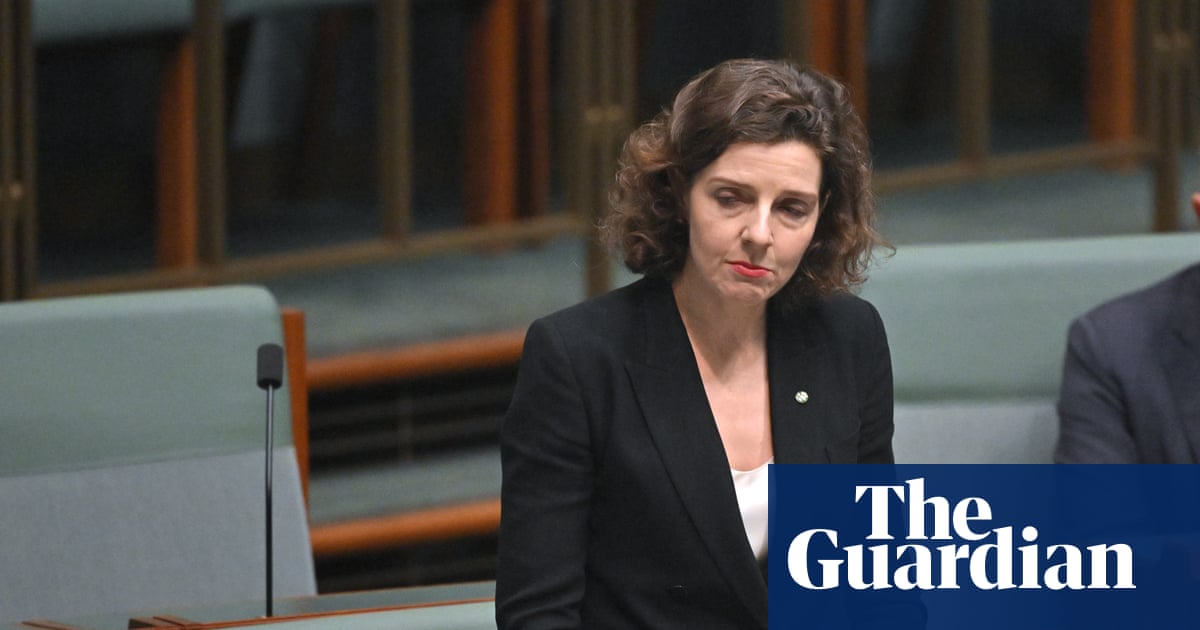
The incident has reignited political debate regarding hate speech legislation in Australia. Independent federal MP Allegra Spender told Nine newspapers on Tuesday that the comments reinforce the need for stronger and nationally consistent hate speech laws. She argued that the situation demonstrates why authorities require greater powers to crack down on religious leaders who promote hatred based on religion, race, gender, or sexuality.
This call for legislative action comes after the Albanese government was forced to abandon previous anti-vilification laws. Those proposed measures would have granted authorities enhanced powers to address hate speech but failed to gain support from both the Nationals and the Greens parties. The current controversy underscores the ongoing challenge of balancing free expression with protections against incitement in a diverse society.
As the council continues its review, the focus remains on whether the preacher’s actions violate community standards and legal boundaries. The situation highlights the delicate balance religious leaders must maintain between theological instruction and social cohesion. With no immediate legal action announced, the matter now rests on internal religious oversight and public discourse regarding the limits of acceptable speech.
The broader implications extend beyond this single incident, touching on national policies for managing religious extremism and hate speech. While the imams’ council seeks to distance mainstream Islamic leadership from the preacher’s remarks, political figures see an opportunity to push for legislative reforms. The outcome of this review may influence future debates on how Australia regulates public discourse and protects vulnerable communities.
Sources behind this briefing
Go to the original reporting
- The Guardian World↗Imams’ council condemns Melbourne Islamic preacher’s call to ‘take up arms’ against enemies