The short version
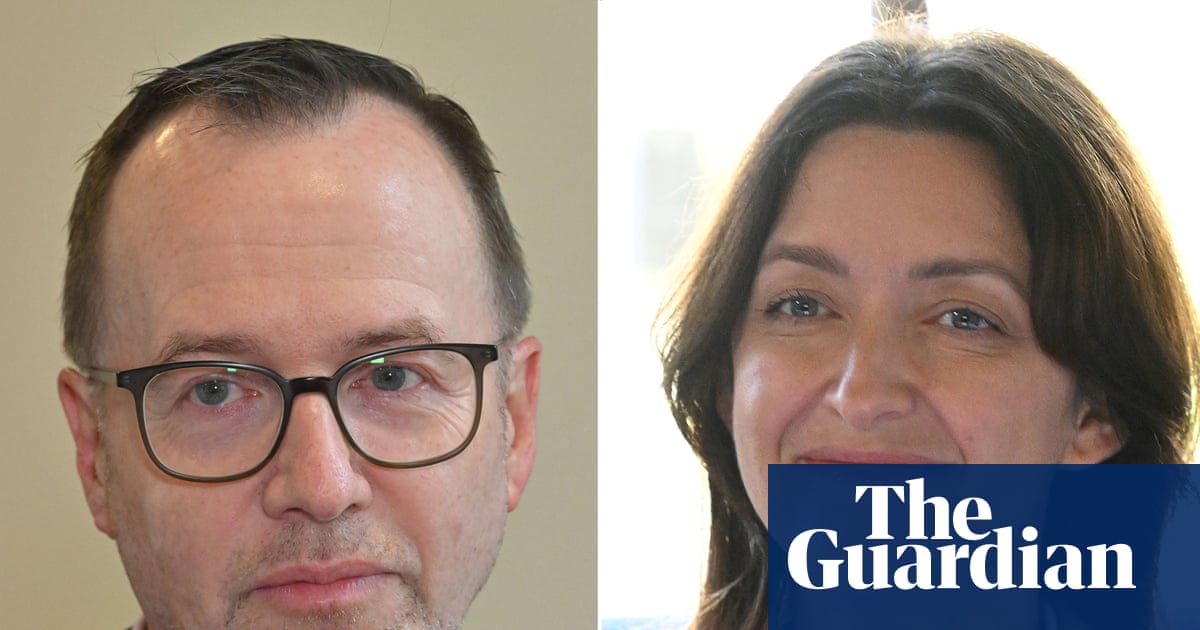
- New South Wales senator David Shoebridge has announced his candidacy for Greens leader, pairing with Victorian senator Steph Hodgins-May in a bid to replace the resigning Larissa Waters.
- The leadership contest reflects deep internal splits, with rivals Mehreen Faruqi and Sarah Hanson-Young also entering the race as the party seeks to redefine its political strategy.
- Waters stepped down due to serious kidney disease, leaving the Greens to address declining electoral standing and pressure to adopt a harder line against major parties and far-right movements.
The Australian Greens have entered a period of significant internal realignment as New South Wales senator David Shoebridge formally launched his bid for party leadership. His announcement comes just days after incumbent leader Larissa Waters resigned to focus on treatment for kidney disease, triggering a scramble to fill the void at the top of the federal parliamentary group. Shoebridge has selected Victorian senator Steph Hodgins-May as his proposed deputy, creating a joint ticket that aims to present a unified front during an increasingly crowded and contentious election process within the eleven-member party room.
The leadership contest is expected to conclude with a result announced on Wednesday, following a two-day retreat for members of parliament. Early indications from party insiders suggest Shoebridge holds a strong position as a favorite to secure the top job. However, the race is far from settled, with deputy leader Mehreen Faruqi and communications spokesperson Sarah Hanson-Young also entering the fray. Faruqi has aligned herself with Tasmanian senator Nick McKim, while Hanson-Young, who has previously sought leadership without success, remains a determined contender. The diversity of candidates underscores the fractures within the party as it attempts to coalesce around a new direction.
Shoebridge brings a distinct profile to the contest, having entered federal parliament in 2022 after more than ten years in New South Wales state politics. He currently holds the Greens’ portfolios for defense and foreign affairs, roles that have allowed him to establish a forceful presence in parliamentary debates, Senate estimates hearings, and on social media platforms. His candidacy is viewed by some as an attempt to inject greater assertiveness into the party’s public messaging. Hodgins-May, who joined parliament in May 2024 following a casual vacancy created by Janet Rice’s retirement, represents a newer voice within the senatorial ranks, adding a fresh dynamic to the ticket.
The political stakes for the Greens are high, driven by a sense of urgency to capitalize on shifting voter allegiances. Frustration has mounted among party members regarding Waters’ more moderate approach, which many feel failed to exploit growing dissatisfaction with both the Labor government and the Coalition opposition. The new leader will face immediate pressure to adopt a more confrontational stance, particularly in response to the rise of One Nation, which has displaced the Greens as the third major force in federal politics following the 2025 election losses that saw former leaders Adam Bandt and Max Chandler-Mather lose their seats.
In outlining their platform, Shoebridge and Hodgins-May emphasized a vision centered on economic and environmental security without compromising independence. They argued that the party must serve as a home for Australians seeking action on climate change, fair resource returns, and secure housing and income. Their statement explicitly rejected efforts to reform the Labor Party, instead advocating for its replacement. They framed their strategy as a direct counter to far-right movements, suggesting that providing tangible hope through policies like school meals and halting new coal and gas projects is essential to winning back public trust.
The leadership vacuum has also sparked debate over the democratic process within the Greens. Former MP Max Chandler-Mather called for party members to have a vote in selecting the new leader, highlighting tensions between the parliamentary faction and the broader membership base. This demand reflects a broader unease about how decisions are made within the party structure, particularly after significant electoral setbacks. The internal dynamics suggest that whoever emerges as leader will need to navigate not only external political pressures but also internal demands for greater inclusivity and transparency in decision-making.
Former Greens leader Bob Brown has weighed into the discussion, urging the new leader to fight more forcefully against both Pauline Hanson’s One Nation and Prime Minister Anthony Albanese’s Labor government. This sentiment echoes a growing consensus within parts of the party that moderation is no longer a viable strategy. The pressure to differentiate the Greens from both major parties and populist challengers will likely define the early tenure of the incoming leader, who must balance ideological purity with pragmatic political maneuvering.
Larissa Waters’ resignation was driven by significant health declines since her election as leader in May of the previous year. She is expected to take medical leave before returning to the Senate, a development that has added a layer of personal gravity to the political transition. The abrupt departure has left the party scrambling to maintain cohesion while addressing strategic questions about its future role in federal politics. As the retreat concludes and votes are cast, the Greens face a critical juncture that will shape their trajectory in an increasingly polarized political landscape.
The outcome of this leadership contest will signal whether the Greens intend to pursue a more aggressive opposition strategy or maintain a collaborative approach with other progressive forces. With One Nation gaining ground and traditional parties consolidating power, the Greens must clarify their identity and appeal to voters who are disillusioned with the status quo. The coming weeks will reveal not only who leads the party but also how it plans to compete in a political environment where its previous influence has waned considerably.
Sources behind this briefing
Go to the original reporting
- The Guardian World↗David Shoebridge launches leadership bid ahead of Greens ballot at party retreat