The short version
- Larissa Waters stepped down citing chronic kidney disease, triggering a leadership contest with three competing tickets for the upcoming election.
- Former leaders Adam Bandt and Bob Brown insist the new head must block all new coal and gas approvals by any parliamentary means necessary.
- The party faces strategic challenges as its primary vote remains flat around 12 to 13 percent while One Nation gains traction.
The Australian Greens are entering a critical period of internal transition as the party prepares to select new leadership following the departure of Larissa Waters. Waters announced her resignation on Monday night, citing a significant decline in her health due to chronic kidney disease. She noted that while her prognosis for recovery remains positive, the intense demands of leading the party, including extensive travel requirements, were interfering with her ability to focus on her well-being. The selection process is set to begin at a two-day retreat in Sydney starting Wednesday, where members will choose between three declared tickets vying for control of the parliamentary group.
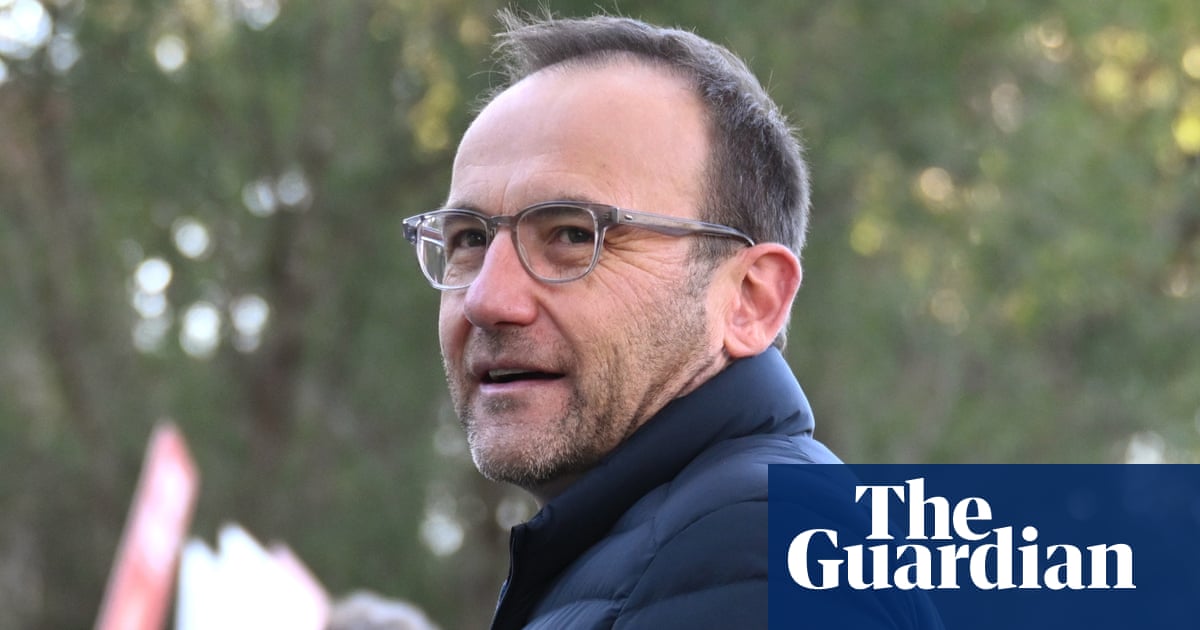
The incoming leadership team faces immediate and intense pressure regarding environmental policy, particularly concerning fossil fuel development. Adam Bandt, the former Greens leader and current chief executive of the Australian Conservation Foundation, stated that there can be no excuses for allowing the Albanese government to approve new coal or gas projects. He emphasized that the next leader must block these developments by whatever means necessary, regardless of the parliamentary style adopted. Key flashpoints include potential approvals for Woodside’s Browse gas project near Scott Reef in Western Australia, gas fracking in the Northern Territory’s Beetaloo basin, and the use of fracked gas for data centers.
Bandt argued that the political landscape has shifted to favor aggressive opposition to fossil fuels. He noted that there are no longer parliamentary blockers preventing the party from stopping new mines or deforestation. The expectation from the broader environmental movement is for decisive action. Bandt highlighted a recent campaign mobilizing over 70,000 people to oppose gas drilling off Scott Reef as evidence of growing public support for progressive policies, even though the government has abandoned plans for a gas export tax. He described this as part of a quiet but expanding progressive moment that the Greens must capitalize on.
Bob Brown, another former leader and party elder, echoed the call for strength but added a broader political dimension to the challenge. He praised Waters’ tenure but warned that the next leader must be capable of extracting significant reforms from the Labor government while simultaneously countering the rise of One Nation. Brown described the required candidate as a strong negotiator able to confront both Prime Minister Anthony Albanese and One Nation leader Pauline Hanson. He suggested that the Greens have an opportunity to position themselves as the antidote to political despair, potentially gaining ground in future elections if they maintain their current trajectory.
Despite these optimistic assessments from former leaders, polling data suggests the Greens are struggling to expand their voter base significantly. In 2025, the party received 12.22 percent of the primary vote, nearly identical to the 12.25 percent secured in 2022. Recent polls show fluctuating support, with figures ranging from a high of 15 percent in March to lows of 11 percent in September. While some surveys indicate stability around 13 to 14 percent, there is no clear evidence of the surge Brown anticipates. This stagnation occurs as One Nation experiences a notable increase in popularity, creating a competitive environment for voters concerned with economic and social issues.
The leadership contest features three distinct tickets. South Australian senator Sarah Hanson-Young announced her candidacy on Tuesday. Deputy leader Mehreen Faruqi is running jointly with Nick McKim, who would serve as deputy. Additionally, senators David Shoebridge and Steph Hodgins-May confirmed their intention to stand for leadership positions on Wednesday morning. The outcome of this contest will determine the party’s strategic direction in parliament, particularly how it leverages its position to influence Labor’s environmental agenda ahead of the next federal election.
Internal dynamics also reflect concerns about media visibility and financial disparities. Sue Higginson, a New South Wales state Greens member, noted the difficulty of breaking through media narratives dominated by parties with substantial financial backing. She pointed to the influence of dark money in shaping political discourse, which makes it challenging for the Greens to push back effectively. This structural disadvantage adds another layer of complexity for the incoming leader, who must navigate not only policy battles but also a media landscape that often marginalizes smaller parties.
The broader context includes calls for democratic reform within the party itself. Former Greens MP Max Chandler-Mather issued an open letter urging rank-and-file members to have a direct say in electing the new leader, rather than leaving the decision solely to MPs. This reflects ongoing tensions regarding internal democracy and representation. As the retreat proceeds, the focus will remain on identifying a leader who can balance aggressive environmental advocacy with the practical realities of parliamentary negotiation and public perception.
The stakes are high for the Greens as they seek to define their role in a shifting political landscape. With Labor facing its own pressures and One Nation gaining momentum, the Greens must clarify their value proposition to voters. The new leadership will need to demonstrate that they can deliver tangible results on climate issues while expanding their appeal beyond their current base. The decisions made in Sydney this week will likely shape the party’s effectiveness and relevance for years to come.
Observers will be watching closely to see how the new leadership addresses the dual challenge of blocking fossil fuel projects and countering populist narratives. The ability to negotiate with Labor while maintaining ideological purity will test the incoming team’s political acumen. As the election cycle approaches, every move made by the Greens could influence not only their own fortunes but also the broader dynamics of Australian federal politics.
Sources behind this briefing
Go to the original reporting
- The Guardian World↗From One Nation to fossil fuels, Adam Bandt and Bob Brown reveal vision for Greens ahead of leadership showdown