The short version
- Home Affairs Minister Tony Burke has postponed his National Press Club address on migration management to allow Prime Minister Anthony Albanese time to help frame the policy changes.
- New measures include a significant increase in postgraduate visa fees and tighter restrictions on working holiday visas, though net overseas migration targets remain unchanged for the current financial year.
- The policy shift occurs as polling data shows One Nation gaining ground on the Coalition, prompting Labor to address voter concerns about immigration without abandoning its established numerical goals.
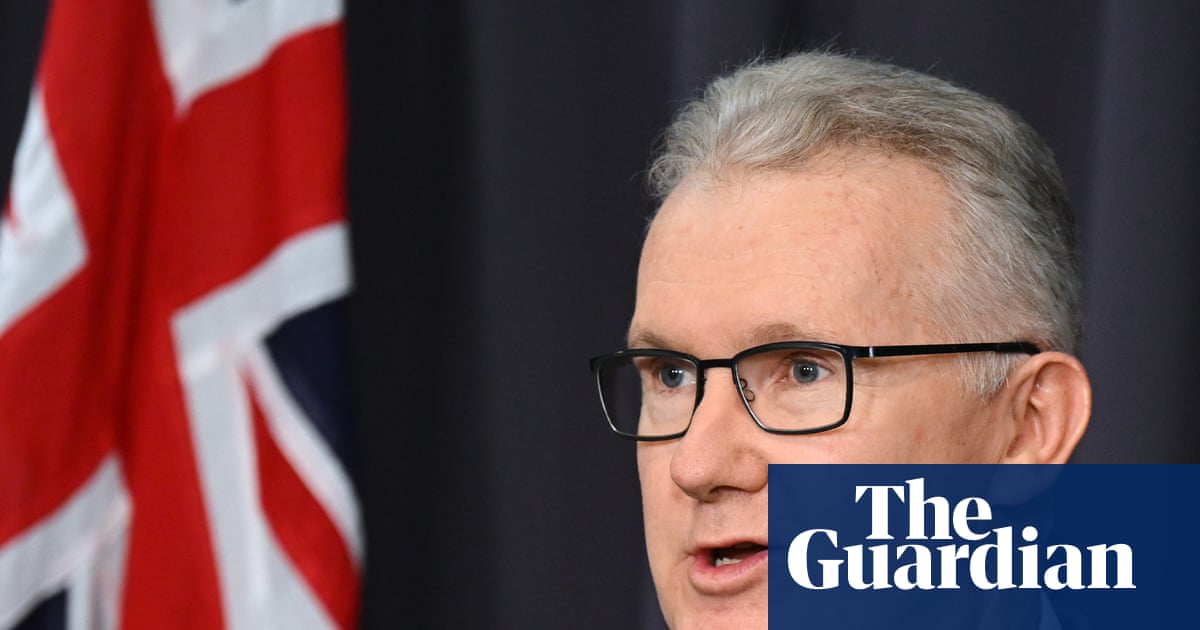
The Australian government has delayed a major public address regarding migration policy, signaling a strategic pause as it prepares to implement stricter rules for temporary residents. Home Affairs Minister Tony Burke was originally scheduled to speak at the National Press Club this week about the management of the migration program, but the event has been pushed back by approximately two weeks. Government officials indicated that certain elements of the speech were not yet finalized, necessitating a new date. This delay appears designed to allow Prime Minister Anthony Albanese, who is currently on leave, to return and assist in presenting the changes to the public.
The postponement comes as the Labor government moves forward with legislative adjustments aimed at reducing net overseas migration and encouraging temporary residents to depart Australia. Despite these new rules, sources within the administration have clarified that the changes will not drive net migration figures below the existing targets set for the current financial year. The permanent migration cap remains steady at 185,000 people, consistent with the previous year’s levels. However, the mechanisms for achieving this balance are becoming more restrictive, particularly regarding working holiday visas and family visa applications.
Among the most immediate changes is a substantial increase in costs for international students pursuing postgraduate studies. Visa fees for this group will rise by 25 percent to $5,750, marking the second hike in just four months. This follows a doubling of fees in March and another increase in June. These financial adjustments are part of a broader effort to tighten specific sectors of the immigration system without altering the overall numerical ceiling for permanent residents.
The political context for these moves is increasingly tense. Recent polling data reveals that One Nation, a populist party known for its hardline stance on immigration, has attracted 25 percent of the primary vote, slightly down from June but still ahead of the Coalition. Labor’s indicative primary vote rose marginally to 31 percent in July, while the Coalition’s share fell to 22 percent. The government appears to be responding to this shift by attempting to demonstrate control over border and migration policies, thereby countering criticism from both One Nation and the opposition.
Official statistics from the Australian Bureau of Statistics show that net overseas migration has already declined significantly from its post-pandemic peak. In late 2023, annual migration growth reached as high as 556,000, but recent figures indicate a drop to 301,000, representing a 45 percent decrease. The May budget had projected further reductions, forecasting net migration would fall to 295,000 in the current financial year, then to 245,000 in the next, and finally to 225,000 by 2027-28. The new rules are intended to align actual flows with these downward projections.
Energy Minister Chris Bowen declined to provide specific details on cabinet plans but emphasized the need for a balanced approach. He noted that many businesses depend on a well-calibrated immigration system to supply workers who are difficult to find in the domestic labor market. This perspective highlights the tension between political pressures to reduce migration and economic realities that require foreign labor to sustain various industries.
Advocacy groups have expressed concern over the direction of the policy debate. Jana Favero, deputy chief executive of the Asylum Seeker Resource Centre, criticized the government for potentially legitimizing fear-based politics. She argued that the delayed speech should have been an opportunity to unite Australians rather than scapegoat migrants. Favero warned that demonizing migrants does not address core economic issues such as housing costs or grocery bills, suggesting that real solutions require more than political blame.
Opposition figures have seized on the delay as evidence of government confusion. Shadow Home Affairs Minister Jonno Duniam accused Labor of creating chaos and claimed the timing suggests the government is only acting due to unbearable political pressure. As the new date for Burke’s address approaches, the focus will remain on how the government frames these restrictions and whether they succeed in stabilizing public opinion without undermining economic stability.
The coming weeks will likely see intensified scrutiny of the migration system as a whole. With the prime minister expected to help sell the changes, the administration faces the challenge of balancing political expediency with long-term policy consistency. The outcome of this period may define how effectively Labor can manage public sentiment on immigration while maintaining its economic commitments.
As the debate continues, stakeholders across the political spectrum are watching closely to see if these measures will satisfy voters concerned about population growth or if they will further polarize public opinion. The interplay between policy adjustments and electoral dynamics remains a critical factor in Australia’s ongoing migration discourse.
Sources behind this briefing
Go to the original reporting
- The Guardian World↗Labor plans migration cuts as Tony Burke pulls out of major speech

