The short version
- Family members of a missing Australian woman are raising funds to travel to Nepal for search efforts in the heavily damaged Gyirong Port area.
- The death of another Australian pilgrim, Michael Keats, has been confirmed by his wife following the flash floods near the Tibet-Nepal border.
- Survivors and relatives emphasize the disproportionate impact of climate-related disasters on vulnerable populations in the region.
The families of Australians affected by catastrophic flooding in Nepal are taking decisive steps to engage with the crisis, even as the scale of destruction suggests grim outcomes for those caught in the initial surge. Renee, a disability support worker from the Sunshine Coast, was reported missing after arriving at Gyirong Port just ten minutes before the floodwaters hit. Her partner, Shaun, an emergency nurse, and their two adult daughters are now organizing financial resources to travel to the region. Their goal is to participate in search efforts within one of the most severely impacted zones, despite significant logistical barriers that have currently prevented entry into the area.
Clair Spry, Renee’s sister, has established a crowdfunding campaign to facilitate this journey. She noted that her sister would likely find the public attention uncomfortable, preferring instead that focus remain on the displaced Nepali communities and the broader implications of climate change. Spry emphasized that Renee was deeply concerned with how global warming affects economically vulnerable populations, describing the situation as heartbreaking for someone whose life’s work centered on helping others. The family views their potential trip not just as a personal mission but as an act of solidarity with those suffering in the aftermath.
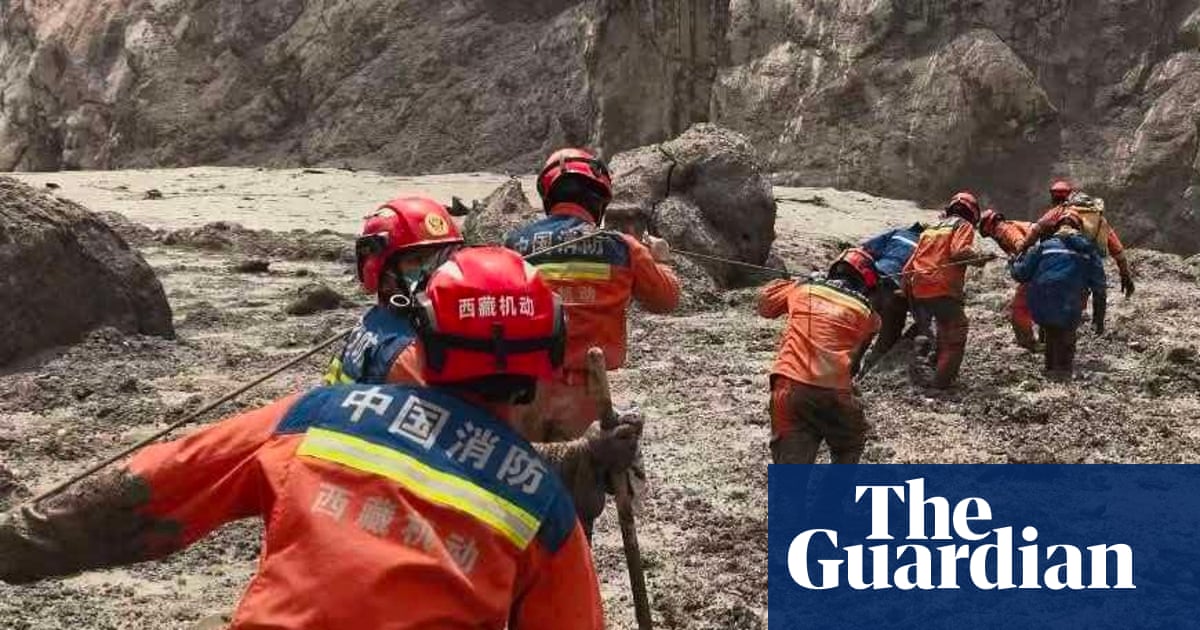
Visual evidence from Chinese rescue teams indicates that Gyirong Port has been almost entirely flattened. Infrastructure including large buildings and power lines was wiped away by the force of the water. This level of devastation complicates any immediate search operations and underscores the danger faced by individuals who were present at the time of the event. While the family acknowledges the dire nature of the situation and the low probability of survival for those in the direct path of the flood, they maintain a cautious hope. They are searching through available images in hopes of identifying Renee or finding signs that she may be trapped or injured elsewhere.
Renee had traveled to Nepal as part of a pilgrimage, reflecting her spiritual nature and commitment to selfless service. She held two degrees but chose a career focused on supporting people with disabilities, leaving a legacy of kindness among those she assisted. Her partner and daughters are determined not to leave the search efforts to others alone, driven by a desire to do everything possible to locate her or bring her home if found. The practical challenges of accessing the site in the immediate aftermath have been significant, yet the family’s resolve remains firm as they navigate the uncertainty.
In a separate but related development, the death of another Australian national, Michael Keats, has been confirmed. Keats was participating in a pilgrimage to Mount Kailash near the Tibet-Nepal border when the flash flooding began. His wife, Emily Boyd, shared news of his passing on social media, describing the trip as a long-held dream for him. She characterized Keats as a mystic and teacher who sought enlightenment and connection with the divine. The confirmation of his death adds to the growing toll of the disaster among international visitors in the region.
Boyd’s tribute highlighted Keats’ multifaceted role in the lives of many, describing him as a partner, father, brother, and friend with a heart of pure gold. She expressed a sense of bittersweet acceptance, noting that his final journey aligned with his deepest spiritual desires. The loss of Keats, along with the uncertainty surrounding Renee and other missing Australians, illustrates the personal tragedies unfolding within the larger humanitarian crisis. These individual stories provide a human face to the statistics of displacement and destruction.
The broader context of these events points to increasing vulnerabilities associated with extreme weather events in mountainous regions. The floods have displaced countless local residents and caused trauma across communities that are already economically fragile. International attention is beginning to shift toward the needs of these populations, with calls for aid and support growing louder. The experiences of Australians like Renee and Keats serve as a reminder of how quickly natural disasters can disrupt lives, regardless of nationality or intent.
As search and rescue operations continue, the focus remains on locating survivors and providing assistance to those affected. The logistical difficulties in accessing Gyirong Port mean that progress may be slow, and families must prepare for prolonged uncertainty. The fundraising efforts by Renee’s family represent a small but significant step in trying to reclaim agency during a chaotic period. Meanwhile, the confirmed death of Michael Keats stands as a somber marker of the disaster’s reach.
The coming weeks will likely see increased international aid and coordination efforts as the full extent of the damage becomes clear. For the families involved, the immediate priority is information and access. Whether through remote monitoring or on-the-ground presence, they are seeking closure or hope in a landscape defined by loss. The situation underscores the urgent need for global attention to climate resilience in regions most at risk.
Ultimately, the tragedy in Nepal highlights the intersection of personal faith, community service, and environmental vulnerability. As news continues to develop, the stories of those missing and deceased will remain central to understanding the human cost of the floods. The response from families abroad demonstrates a commitment to honoring their loved ones while acknowledging the wider suffering in the region.
Sources behind this briefing
Go to the original reporting
- The Guardian World↗Renee was at Gyirong Port minutes before flood struck, now her family want to travel from Australia to help search

