The short version
- Conservative factions remain divided on electoral strategy despite recognizing the threat of a third consecutive Labor victory.
- Pauline Hanson’s One Nation continues to gain momentum, challenging the Coalition’s traditional dominance and demanding preferential voting agreements.
- Angus Taylor attempted to rebrand the Liberal opposition by apologizing for past policies, but failed to secure clear cooperation with Hanson’s party.
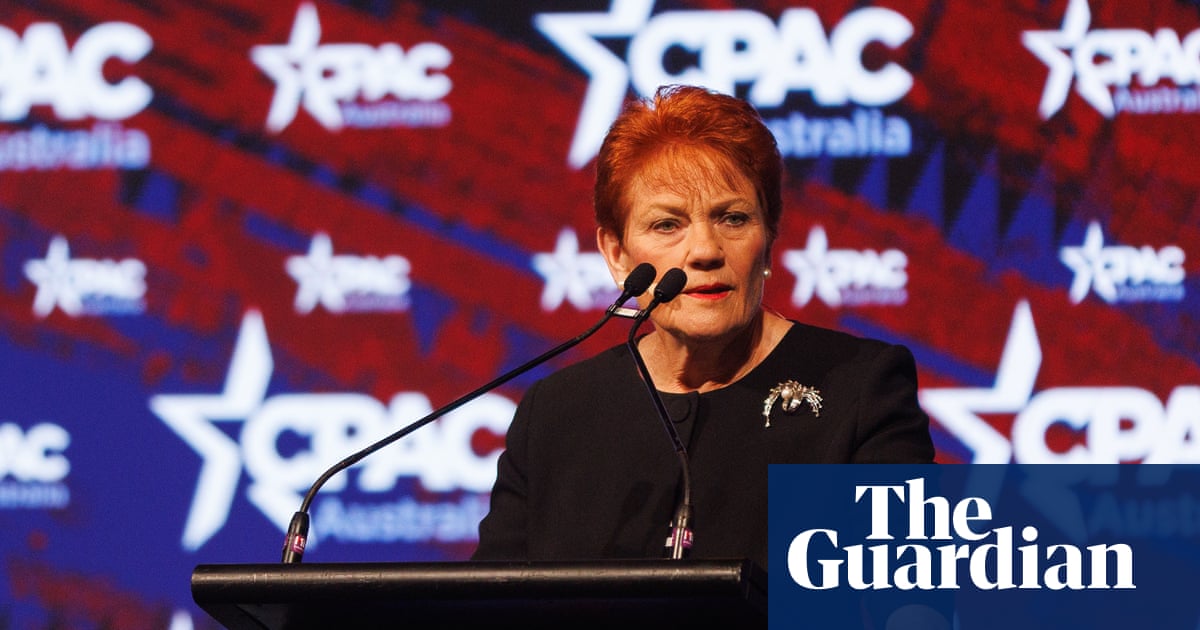
The Conservative Political Action Conference held in Brisbane this year served less as a unified strategic summit and more as a vivid display of the fragmentation currently plaguing Australia’s political right. While the event featured theatrical elements such as opera singers performing the national anthem and impersonators of foreign leaders, the underlying narrative was one of urgent but unresolved anxiety. Conservatives gathered with the shared goal of removing Prime Minister Anthony Albanese and his Labor government from power, yet they departed without a coherent plan for how to achieve this objective in the face of a splintered opposition.
The central challenge facing attendees was the mathematical reality of the current parliament. With Labor holding ninety-four seats, the conservative vote is divided between Angus Taylor’s diminished Coalition and Pauline Hanson’s surging One Nation party. Organizers explicitly warned participants that failing to coordinate preferential voting between these two groups would likely result in another election defeat for the right. This message underscored a growing recognition among conservatives that their internal divisions are as significant a threat to their electoral prospects as the incumbent government itself.
Pauline Hanson used her platform to emphasize this point, signing a pledge to work with other conservative factions while simultaneously criticizing the Coalition leadership. She described Liberal leader Angus Taylor as unfit for the role and urged him to take responsibility for bridging the gap between their parties. Despite her public commitment to cooperation, Hanson’s rhetoric remained sharp, reflecting a long-standing tension where One Nation seeks to assert its independence rather than remain subordinate to traditional conservative structures. Her stance suggests that any future alliance would require significant concessions from the Coalition.
Angus Taylor attempted to address these concerns by appealing to the conference audience with a series of apologies for previous Coalition policies, including net zero targets and pandemic spending measures. He aimed to burnish his conservative credentials and demonstrate a willingness to pivot away from past decisions that have alienated right-wing voters. However, his efforts were met with skepticism, as many attendees appeared more interested in Hanson’s performance than in Taylor’s policy recalibrations. The lack of a clear roadmap for cooperation left the question of how the two parties would navigate the next election cycle largely unanswered.
The atmosphere at the conference reflected broader cultural and political tensions within Australian conservatism. Speakers engaged in familiar debates over social issues, fiscal discipline, and welfare reform, while also indulging in more sensational topics such as transgender rights and immigration. This mix of serious policy discussion and culture-war rhetoric highlighted the diverse motivations driving conservative voters today. For many attendees, the conference was an opportunity to vent frustrations with the current government rather than to forge a disciplined electoral strategy.
Historical context suggests that CPAC often serves as a barometer for emerging trends within the right. In previous years, themes discussed at the conference have foreshadowed significant shifts in Coalition policy and leadership. The 2022 event focused on opposition to the Indigenous Voice referendum, which later influenced National Party positions. Similarly, concerns raised in 2025 about One Nation’s rise and internal Liberal dissent preceded further splits within the Coalition and changes in leadership. This year’s gathering may yet prove to be a turning point, though its immediate impact remains uncertain.
As the next federal election approaches by May 2028, the conservative movement faces a critical juncture. The ability of One Nation and the Coalition to reconcile their differences will determine whether they can present a viable alternative to Labor. Until then, the right risks remaining fragmented, allowing the incumbent government to maintain its hold on power despite widespread dissatisfaction among conservative voters. The conference ended without resolving these fundamental questions, leaving observers to wonder if this was merely another forum for criticism or the beginning of a genuine realignment.
Ultimately, the spectacle of CPAC 2026 revealed more about the disarray within Australian conservatism than it did about any concrete path forward. While individual speakers offered passionate critiques and promises of change, the collective failure to agree on a unified strategy underscores the challenges ahead. Without a clear mechanism for cooperation, the conservative vote may continue to be split, ensuring that Labor retains its advantage in the upcoming election cycle.
Sources behind this briefing
Go to the original reporting
- The Guardian World↗A Trump impersonator and opera singers: CPAC was a spectacle, but the right still can’t agree how to take down Labor


