The short version
- Australian officials are investigating how F-35 components intended for the United States were unexpectedly rerouted to Hong Kong and subsequently went missing.
- While government leaders assert the items were not sensitive, analysts warn that exposure of stealth technology could compromise the security of the entire global fleet.
- The incident highlights significant risks in the complex international supply chain that supports the production and maintenance of advanced military aircraft.
Australian defense authorities have launched a formal review into the unexplained diversion of F-35 fighter jet components that were being transported from Australia to the United States. The shipment, which was under the care of an unidentified third-party logistics provider acting on behalf of Lockheed Martin, deviated from its planned route and arrived in Hong Kong before vanishing entirely. Months have passed since the incident occurred, yet the parts remain unaccounted for, prompting officials to examine every aspect of the Australian government’s involvement in the transport process.
Richard Marles, the acting prime minister, stated that a comprehensive assessment is underway to determine how the error occurred. He emphasized that while the procedural failures are being scrutinized, there is confidence in the overall engagement with the F-35 program and its primary contractor. Marles sought to downplay the immediate security threat by asserting that the missing items did not contain sensitive equipment or technology, a stance that contrasts with earlier reports suggesting otherwise.
Contradictory information has emerged regarding the nature of the cargo. Initial reporting indicated that the shipment included a canopy for the jet, a component reportedly embedded with stealth technology that would be considered highly sensitive. If accurate, this detail significantly alters the risk profile of the incident. The discrepancy between official assurances and early journalistic accounts underscores the uncertainty surrounding exactly what was lost and how critical the exposed data might be to national security.
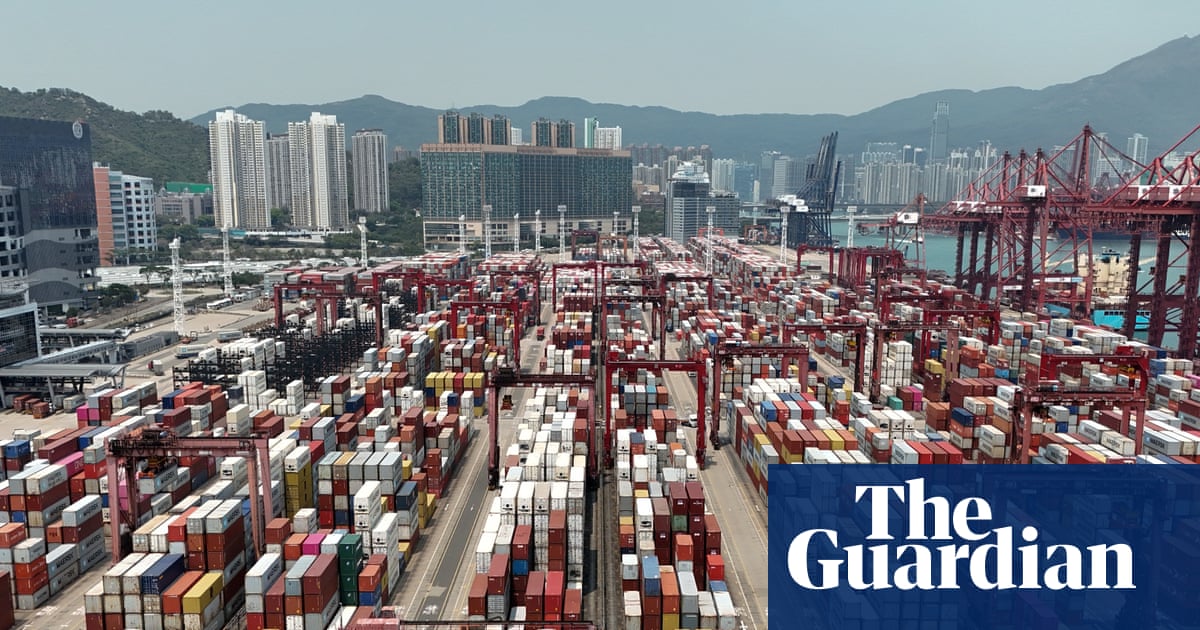
The location of the diversion has intensified concerns about potential espionage. Hong Kong, a special administrative region of China, is viewed by many Western intelligence agencies as a jurisdiction where state actors could potentially access restricted materials. The unexpected stopover has drawn sharp criticism from defense analysts who describe the logistical failure as a profound lapse in judgment. Critics argue that such carelessness provides adversaries with an unearned opportunity to acquire valuable military intelligence.
Michael Shoebridge, a director at Strategic Analysis Australia with a background in intelligence work, characterized the event as an act of severe ineptitude. He suggested that the incident was less about sophisticated espionage and more about adversaries capitalizing on gross negligence by those responsible for the shipment. According to Shoebridge, the primary motivations for any hostile actor acquiring these parts would be to reverse-engineer the technology or to identify vulnerabilities that could be exploited in combat scenarios.
The implications of this breach extend far beyond Australia and the United States. The F-35 program is a multinational endeavor involving numerous partner nations that share in the development, manufacturing, and sustainment of the aircraft. More than seventy Australian companies hold contracts related to the program, with over seven hundred critical components manufactured in Victoria alone. This deep integration means that a security failure in one part of the supply chain can have repercussions for all operators of the jet.
Shoebridge warned that if sensitive stealth technology was indeed exposed, every F-35 currently in service could be vulnerable to new threats. The risk is not isolated to the specific missing parts but potentially affects the entire fleet’s operational security. This perspective suggests that the incident requires a global response from all nations involved in the program to assess what information may have been compromised and how it might impact future missions.
The timing of this incident coincides with broader geopolitical tensions regarding advanced military technology. The United States recently moved forward with plans to sell additional F-35s to Saudi Arabia, despite internal warnings that China might seek to obtain stealth capabilities through such transfers. This context adds a layer of complexity to the current investigation, as it highlights the ongoing struggle to protect proprietary defense technologies in an era of globalized manufacturing and intense strategic competition.
As the investigation continues, the focus remains on determining the extent of the security breach and identifying the responsible parties within the logistics chain. The Australian government has indicated that while it will review its own actions, the ultimate management of the incident rests with the United States and Lockheed Martin. The outcome of this inquiry could lead to significant changes in how sensitive military components are transported and secured in the future.
The financial stakes involved in the F-35 program are substantial, with Australian contracts valued at over five billion dollars as of late 2025. This economic investment underscores the importance of maintaining strict security protocols. The disappearance of these parts serves as a stark reminder that even minor logistical errors can have major strategic consequences when dealing with cutting-edge military hardware.
Sources behind this briefing
Go to the original reporting
- The Guardian US↗Australia investigating how F-35 fighter jet parts bound for US went missing in Hong Kong

