The short version
- September marked Australia's second-warmest on record, with minimum night-time temperatures setting an all-time high dating back to 1910.
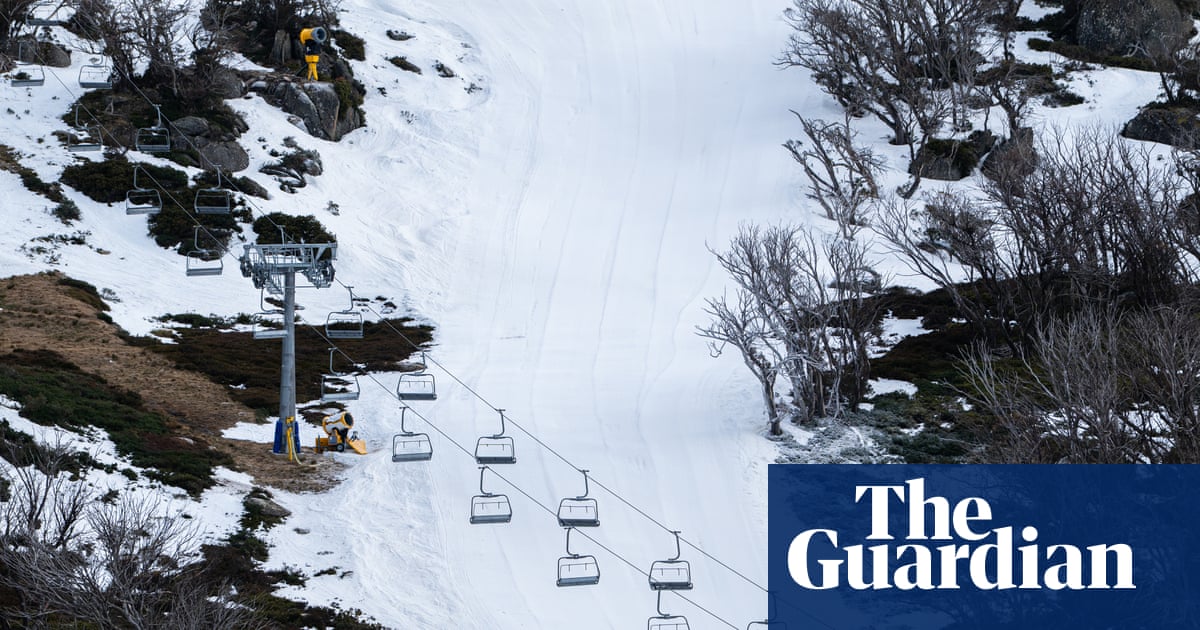
- Alpine regions experienced unprecedented heat, including the first time since 1954 that snow depth in Kosciuszko National Park dropped to zero during the month.
- Scientists attribute the extreme conditions to a combination of long-term global heating and an intensifying El Niño system forecast to be the strongest ever recorded.
Australia endured its second-hottest September in recorded history, a milestone that underscores the compounding effects of global warming and a powerful El Niño weather pattern. Data from the Bureau of Meteorology reveals that average temperatures across the continent surged 2.71 degrees Celsius above the long-term baseline established between 1961 and 1990. This surge pushed the month into the top five warmest Septembers for every state, while the Northern Territory recorded its sixth-hottest September on record.
Perhaps more striking than the daytime highs were the night-time temperatures, which set a new national record. Minimum temperatures averaged 2.52 degrees Celsius above normal, narrowly surpassing the previous record of 2.51 degrees set in 2023. This trend indicates a continent-wide shift where cool nights have become increasingly rare. In fact, Australia has not experienced a September with below-average mean temperatures since 2004, suggesting a persistent departure from historical climate norms.
The impact of this heat was particularly severe in alpine regions, where winter conditions failed to materialize as expected. In Kosciuszko National Park, snow depth fell to zero for the first time since monitoring began in 1954. This disappearance of snow cover during September is a significant indicator of changing seasonal patterns. At Thredbo, average night-time temperatures hovered at 0.1 degrees Celsius, marking the first time daily minimums averaged above freezing for the month. The town also recorded its hottest September day ever at 16 degrees Celsius.
Similar record-breaking heat was observed across Victoria’s alpine zones. Locations such as Mount Buller, Falls Creek, and Mount Hotham all registered their highest maximum temperatures on record for September. These anomalies contributed to early closures for many ski resorts following a warm and rainy winter season. The lack of cold days in these high-altitude areas is unusual and points to a broader disruption of traditional seasonal cycles.
Rainfall patterns varied significantly across the continent, with most regions experiencing below-average precipitation. New South Wales recorded its fourth-driest September on record, while Victoria saw its sixth-driest. In contrast, Western Australia experienced its second-wettest September since records began in 1904. This divergence highlights the complex nature of climate impacts, where some areas face drought-like conditions while others deal with excessive moisture.
Scientists point to two primary drivers behind these extreme conditions. Dr. Linden Ashcroft, a climate scientist at the University of Melbourne, identified climate change as the clear underlying cause. He noted that this event exemplifies 'seasonal creep,' a phenomenon where winter ends earlier and spring begins sooner than historical averages would suggest. Global heating has already warmed the continent by more than 1.5 degrees Celsius since nationwide records commenced in 1910.
Compounding the effects of global warming is the intensifying El Niño system in the tropical Pacific. Dr. Simon Grainger, a senior climatologist at the Bureau of Meteorology, explained that persistent high-pressure systems over southeastern Australia contributed to the warm and dry conditions. He noted that it was unusual to see such a consistent lack of cold days across the region.
The current El Niño event is forecast to become the strongest ever recorded, which may further exacerbate heat and rainfall anomalies in coming months. As the climate system continues to evolve, these records serve as early warnings of more frequent extreme weather events. The combination of long-term warming trends and short-term climatic shifts presents significant challenges for agriculture, water management, and public health planning.
Looking ahead, meteorologists will monitor how the strengthening El Niño influences subsequent seasons. The data from September provides a critical snapshot of current climate dynamics, offering insights into future trends. As records continue to be broken, the need for adaptive strategies becomes increasingly urgent. The coming months will reveal whether these patterns persist or shift as the El Niño cycle progresses.
The implications of these temperature and precipitation changes extend beyond immediate weather concerns. They affect ecosystems, infrastructure resilience, and economic stability. Understanding the interplay between global heating and regional climate systems is essential for preparing for future extremes. As Australia faces its second-hottest September on record, the evidence of a changing climate becomes increasingly undeniable.
Sources behind this briefing
Go to the original reporting
- The Guardian World↗Australia experiences second hottest September on record as El Niño and climate crisis combine