The short version
- Australia is developing new targeted sanctions against Israeli settlers but will not join the UK in banning trade with settlement goods.
- Foreign Minister Penny Wong cited concerns about unintended consequences for businesses and peace prospects regarding blanket bans.
- The move follows a joint statement by twelve nations, including the UK and France, confirming restrictions on illegal settlement trade.
Australia is preparing to implement a new round of sanctions against Israel, yet it has deliberately chosen not to align with the United Kingdom’s decision to ban trade with Israeli settlements in the West Bank. This strategic divergence highlights Canberra’s attempt to balance diplomatic pressure on Jerusalem with concerns over broader economic and humanitarian impacts. While London, Paris, and Ottawa have moved toward comprehensive restrictions, Australian officials are focusing on narrower measures aimed specifically at deterring settler violence and illegal expansion.
The United Kingdom recently announced its strongest condemnation of Israel’s occupation to date. Foreign Secretary Ed Miliband characterized efforts to control the West Bank as unlawful and described actions by settlers as ethnic cleansing against Palestinians. In response, the British government is banning goods produced in illegal settlements, halting arms licenses, and planning sanctions against specific individuals. This hardline stance was reinforced by a joint statement from Prime Minister Andy Burnham, French President Emmanuel Macron, and Canadian Prime Minister Mark Carney, who emphasized their collective goal of advancing a two-state solution.
A broader coalition is forming around these restrictive measures. Twelve countries, including Denmark, Finland, Ireland, Norway, Poland, Portugal, Spain, Sweden, Iceland, and Canada, have confirmed their intention to introduce national or support European restrictions on trade with settlements deemed illegal under international law. Nine additional European nations are reportedly considering similar actions. This coordinated diplomatic effort represents a significant shift in Western policy toward the Israeli-Palestinian conflict, moving beyond verbal condemnation to tangible economic penalties.
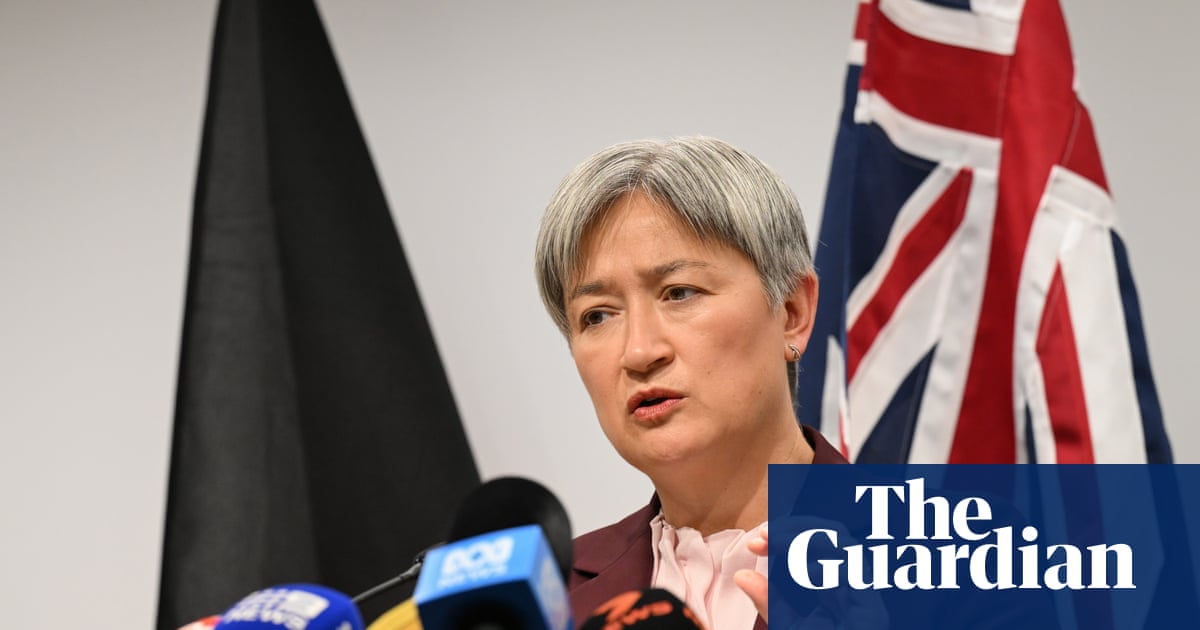
In contrast, Australian Foreign Minister Penny Wong stated that her government is not currently pursuing a broad ban on goods from Israeli settlements. Wong expressed specific concerns about the implementation of blanket bans, warning of potential unintended consequences for Australian businesses, as well as for Palestinian and Israeli civilians. She emphasized that Australia continues to work with international partners to protect the prospects of a two-state solution while avoiding measures that could destabilize the region further or harm local economies.
Despite rejecting broad trade embargoes, Wong acknowledged that the Israeli government is undermining the possibility of a two-state solution through violence and settlement expansion. She called on Israeli authorities to halt violence between settlers and Palestinians, citing specific grievances including property destruction, family displacement, torture, sexual assault, and killings. Australia has already instituted financial sanctions and travel bans on certain Israelis in response to West Bank violence, including measures against two members of Benjamin Netanyahu’s government: Itamar Ben-Gvir and Bezalel Smotrich.
The diplomatic tension between Canberra and Jerusalem has escalated following the October 7 Hamas attacks, the subsequent war in Gaza, and the December terror attack on Bondi Beach. Wong has been collaborating with the family of Zomi Frankcom, an Australian aid worker killed in Gaza strikes, regarding the Israel Defense Forces’ decision not to open a criminal investigation into her death. This ongoing dispute underscores the complex relationship between Australia and Israel, which has grown increasingly strained amid domestic political pressure and international scrutiny.
Domestic political figures are pushing for stronger action. Labor backbencher Ed Husic argued that Prime Minister Benjamin Netanyahu believes his government can withstand verbal criticism but cannot ignore the impact of sanctions. Husic described the potential for sanctions as a seismic move, asserting that Australia must act to support the emergence of a Palestinian state by addressing illegal settlements. He criticized the current approach as insufficient given the government’s stated support for Palestinian statehood.
Opposition voices have also weighed in on the foreign policy debate. Coalition frontbencher Julian Leeser criticized the Albanese government’s stance toward Israel, arguing that Australia should stand with its democratic allies while upholding its values. Meanwhile, Colin Rubenstein, executive director of the Australia/Israel and Jewish Affairs Council, rejected the notion that settlements are preventing peace. He blamed the Palestinian Authority for intransigence and warned that sanctioning Israel would be counterproductive, potentially damaging Australia’s traditional bipartisan relationship with Jerusalem.
As twelve nations confirm their intent to restrict trade with illegal settlements, Australia’s decision to pursue targeted measures rather than broad bans reflects a cautious diplomatic strategy. The government aims to deter specific violent acts and settlement expansion without triggering wider economic disruptions or alienating key partners. This approach seeks to navigate the delicate balance between condemning human rights violations and maintaining stable international relations in a volatile region.
The coming weeks will likely see further developments as Australia finalizes its targeted sanctions package. The effectiveness of these measures, compared to the broader bans implemented by European allies, remains uncertain. Observers will watch closely to see whether Canberra’s nuanced approach influences Israeli policy or if it merely highlights growing divisions among Western democracies on how to address the ongoing conflict in the Middle East.
Sources behind this briefing
Go to the original reporting
- The Guardian World↗Australia considers new Israel sanctions but won’t join UK in banning trade with ‘settler terrorists’