The short version
- The Australian parliament approved new gambling regulations that restrict television advertising hours and mandate age verification for online promotions.
- Former Liberal MP Jenny Ware and other advocates criticized the bill for rejecting a complete ban on wagering ads, arguing it fails to address the public health crisis adequately.
- Industry stakeholders expressed uncertainty regarding the implementation of a new opt-out register, which operators are required to fund but whose technical details remain unclear.
The Australian parliament has enacted significant changes to gambling regulations, marking a shift in how wagering activities are advertised and managed across the country. The legislation, passed by the Labor government with support from Coalition members, introduces stricter controls on television commercials and digital marketing while stopping short of a total prohibition on advertising. This move represents a compromise between calls for comprehensive bans and industry pressures to maintain commercial viability, setting a new standard for how gambling harm is addressed at the federal level.
Under the new rules, television advertisements for betting services will be confined to three slots per hour during daytime hours, specifically between 5:00 am and 8:30 pm. Online advertising will be restricted to users over the age of eighteen, accompanied by a mandatory opt-out mechanism that allows individuals to block these promotions from their devices. Additionally, the legislation phases out sponsorship on sports jerseys and within stadiums, while imposing tighter limits on celebrity endorsements and commissions tied to gambling losses. The government describes these measures as the most robust wagering laws ever introduced in Australia.
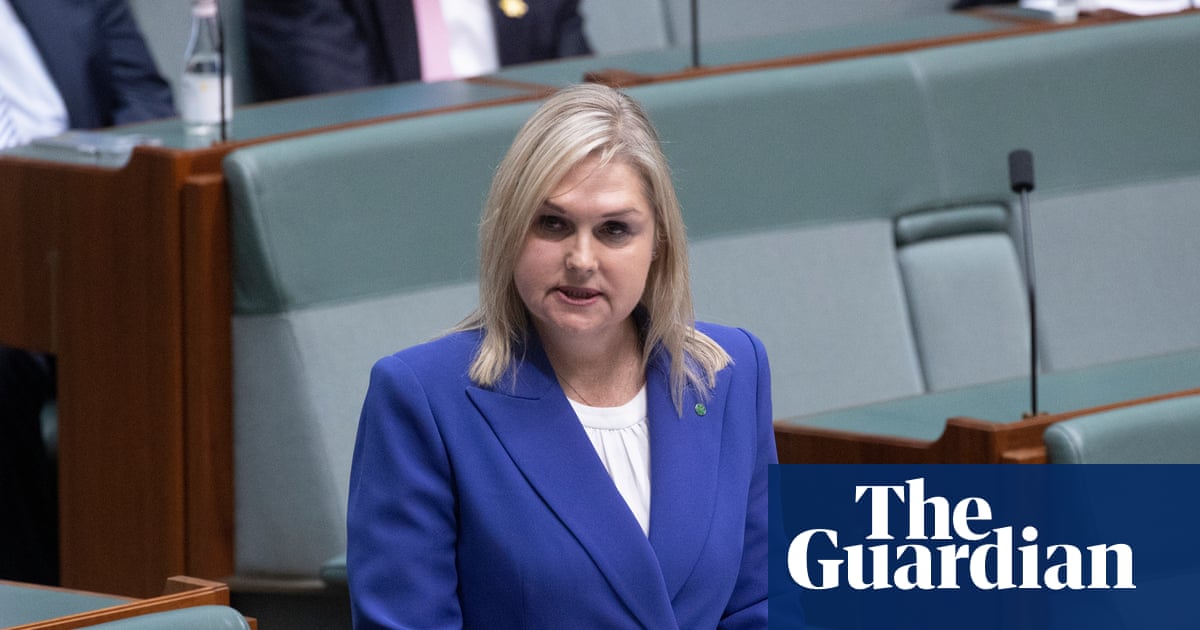
Despite the passage of the bill, significant criticism has emerged from advocates who argue that the reforms do not go far enough. Jenny Ware, a former Liberal member of parliament and participant in the 2023 inquiry led by Peta Murphy, condemned the decision to reject a full ban on wagering advertisements. Ware characterized gambling as a public health crisis that demands a more rigorous response from political leaders. She suggested that vulnerable Australians have been failed by a system that prioritizes political convenience over evidence-based protections, noting that the current legislation falls well below the recommendations made in the Murphy report.
The inquiry conducted by Murphy had called for a complete elimination of wagering advertising and inducements, along with the establishment of a national gambling regulator. Ware emphasized that the parliament’s failure to adopt these measures leaves critical gaps in consumer protection. She highlighted personal encounters with families affected by gambling-related suicides, arguing that their stories deserve more than partial reforms driven by political expediency. While some cross-benchers proposed amendments for stronger safeguards, both major parties voted against them, a move Ware described as deeply disappointing.
Rod Glover, the husband of the late MP Peta Murphy, also expressed mixed feelings about the legislation’s passage. While he acknowledged the positive aspects of certain reforms, he maintained that the measures are insufficient to address the scale of harm caused by gambling. The debate underscores a broader tension within Australian politics regarding how best to balance individual freedoms with public health responsibilities. Critics argue that the government lacks the moral courage to implement stricter controls, while supporters contend that the current approach strikes an appropriate balance.
Prime Minister Anthony Albanese defended the legislation, stating that it protects the most vulnerable individuals without infringing on the rights of those who choose to gamble responsibly. He noted that his administration engaged constructively with various stakeholders, including anti-gambling advocates and sporting organizations, though he clarified that direct negotiations with betting companies did not take place. Albanese emphasized that the problem is not necessarily casual betting but rather the systemic issues that contribute to harm, suggesting that the new laws address these root causes effectively.
A key component of the reform package involves strengthening BetStop, a national self-exclusion register that allows individuals to ban themselves from gambling operators. Communications Minister Anika Wells highlighted that the service has seen substantial uptake, with 67,000 total registrations and 41,000 active users. A significant majority of registrants are under forty years old, and more than a third have opted for lifetime bans. The new legislation requires gambling providers to fund awareness campaigns for BetStop, aiming to increase its visibility and effectiveness among at-risk populations.
However, the introduction of a new opt-out register has raised concerns within the tech, media, and wagering industries. Industry sources reported being blindsided by the announcement, which was made just days before the legislation’s passage. Operators are anxious about the technical development of the website and the financial implications of funding its creation. The lack of clarity regarding how the register will function adds a layer of uncertainty to the implementation process, potentially complicating compliance efforts for businesses already adapting to the new advertising restrictions.
As the reforms take effect, the focus shifts to enforcement and long-term impact assessment. The government’s decision to limit rather than ban advertising reflects a cautious approach to regulating an industry deeply embedded in Australian culture and sports sponsorship. Whether these measures will significantly reduce gambling-related harm remains to be seen, but the legislation marks a pivotal moment in Australia’s ongoing struggle to manage the social costs of wagering. Future evaluations will likely determine if further legislative action is required to meet the demands of public health advocates.
The political landscape surrounding gambling reform continues to evolve, with dissenting voices within both major parties calling for more aggressive measures. Andrew Wallace and Pat Conaghan, former Coalition colleagues of Ware, crossed the floor to vote against the legislation, signaling internal divisions over the adequacy of the reforms. As Australia navigates this new regulatory environment, the debate over the appropriate level of government intervention in gambling markets is likely to persist, driven by ongoing concerns about addiction and financial harm.
Sources behind this briefing
Go to the original reporting
- The Guardian World↗Former Liberal MP condemns Coalition for backing gambling reforms that ‘let down’ vulnerable Australians

