The short version
- The Australian Senate is expected to pass gambling reform legislation with cross-party support, introducing limits on TV ads and bans on stadium promotions.
- Critics, including the husband of late MP Peta Murphy, argue the measures are insufficient compared to her 2023 report which called for a complete ban on advertising and inducements.
- Details regarding a proposed online opt-out register remain vague, with officials admitting the system is not yet fully formed and may take up to a year to implement.
The Australian government’s legislative package aimed at curbing gambling advertising is poised for passage in the Senate, marking a significant shift in national policy despite ongoing debates about its scope. With support from both the ruling Labor Party and the opposition Coalition, the bill is expected to clear the upper house by Thursday morning. This bipartisan agreement signals a political consensus on the need for regulation, even as stakeholders disagree sharply on whether the measures go far enough to address public health concerns associated with wagering industries.
The reforms introduce specific constraints on how gambling products are marketed across traditional and digital media. Television advertisements will be capped at three per hour during peak viewing times between 5 a.m. and 8:30 p.m. The legislation also prohibits gambling branding on player jerseys and within stadiums, effectively removing visible sponsorship from live sports events. Additionally, celebrities and athletes will no longer be permitted to promote gambling services, aiming to reduce the influence of high-profile endorsements on vulnerable populations.
For online platforms, the government has proposed a 'triple lock' verification system designed to ensure that only adults can view gambling advertisements. Users must be over 18, logged into their accounts, and presented with an opt-out option before seeing such content. A central register will allow Australians to elect not to receive these ads, though the technical design and operational details of this system remain undefined. Government sources have acknowledged that the concept is still in development and could require up to twelve months to fully establish.
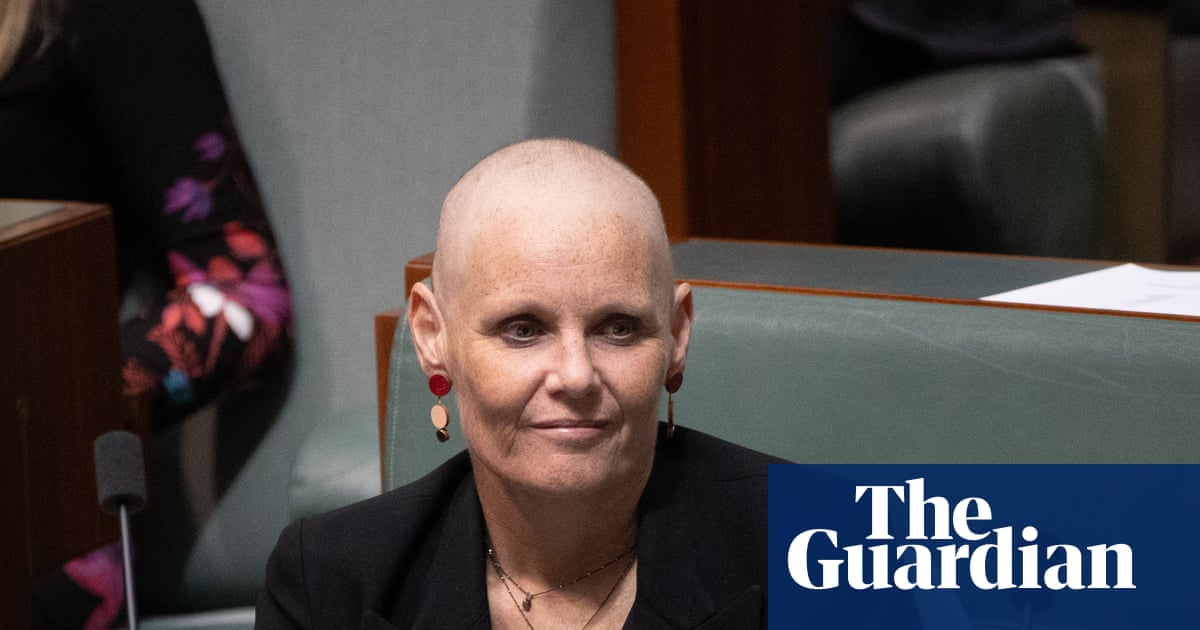
Rod Glover, husband of the late Labor MP Peta Murphy, expressed mixed feelings about the legislation’s imminent passage. Murphy died in 2023 after releasing a landmark report on gambling harms, which recommended a total ban on both advertising and financial inducements. Glover praised Prime Minister Anthony Albanese and Communications Minister Anika Wells for efforts to reduce harm, particularly for young people and those susceptible to sophisticated marketing tactics. However, he emphasized that the final package falls well short of Murphy’s comprehensive recommendations.
Glover attributed the limitations of the reform to the considerable lobbying power wielded by wagering companies, major sporting codes, and media organizations. He argued that these entities have prioritized commercial interests over social responsibility, delaying more robust action for nearly three years since Murphy’s report was published. The delay, he noted, has had real human consequences, suggesting that stronger measures could have been implemented sooner if political will had matched the urgency of the public health crisis.
In parliament, Labor Senator Michelle Ananda-Rajah acknowledged that the changes would not satisfy all critics but defended them as highly significant reforms capable of making a tangible difference. She credited Murphy’s seminal work for initiating the current response, even though the government did not fulfill every request outlined in her report. The debate highlighted the tension between achieving practical, enforceable regulations and pursuing idealistic bans that may face greater political or legal hurdles.
Opposition figures have also weighed in on the specifics of the new measures. Shadow Communications Minister Sarah Henderson claimed credit for the idea behind the online opt-out register, envisioning a system where any platform serving gambling ads must check against a user database to ensure compliance. While major online platforms have not yet commented publicly, the requirement to sweep this register could apply broadly across social media, streaming services, and websites. The lack of clarity on how this will be enforced remains a point of contention.
The passage of this legislation represents a compromise between public health advocates and industry stakeholders. While it introduces meaningful restrictions on traditional advertising channels, it leaves significant gaps in the regulation of online inducements and digital marketing. As the bill moves toward final approval, attention will turn to the implementation phase, particularly how the government plans to build and maintain the opt-out register. The coming months will test whether these partial reforms can deliver the promised reduction in gambling-related harm or if further legislative action will be required.
Critics continue to argue that without a complete ban on advertising and inducements, the most predatory aspects of the gambling industry remain intact. The debate underscores the difficulty of regulating an industry deeply embedded in Australian culture through sports sponsorship and media partnerships. As the Senate prepares to vote, the focus remains on whether this incremental approach will suffice or if it merely sets the stage for future conflicts over the balance between commercial freedom and consumer protection.
Sources behind this briefing
Go to the original reporting
- The Guardian World↗Peta Murphy called for gambling reform three years ago. Her husband says Labor’s changes fall ‘well short’