The short version
- Australia has chosen not to participate in a new trade embargo on goods from Israeli settlements in the West Bank, a measure recently adopted by the United Kingdom, Canada, and France.
- Internal party groups are urging the government to align with its national platform commitments and join coordinated international efforts to address settler violence and occupation policies.
- Foreign Minister Penny Wong defended the decision as consistent with previous targeted sanctions against extremists, rejecting claims that the stance aims to appease the Israeli government.
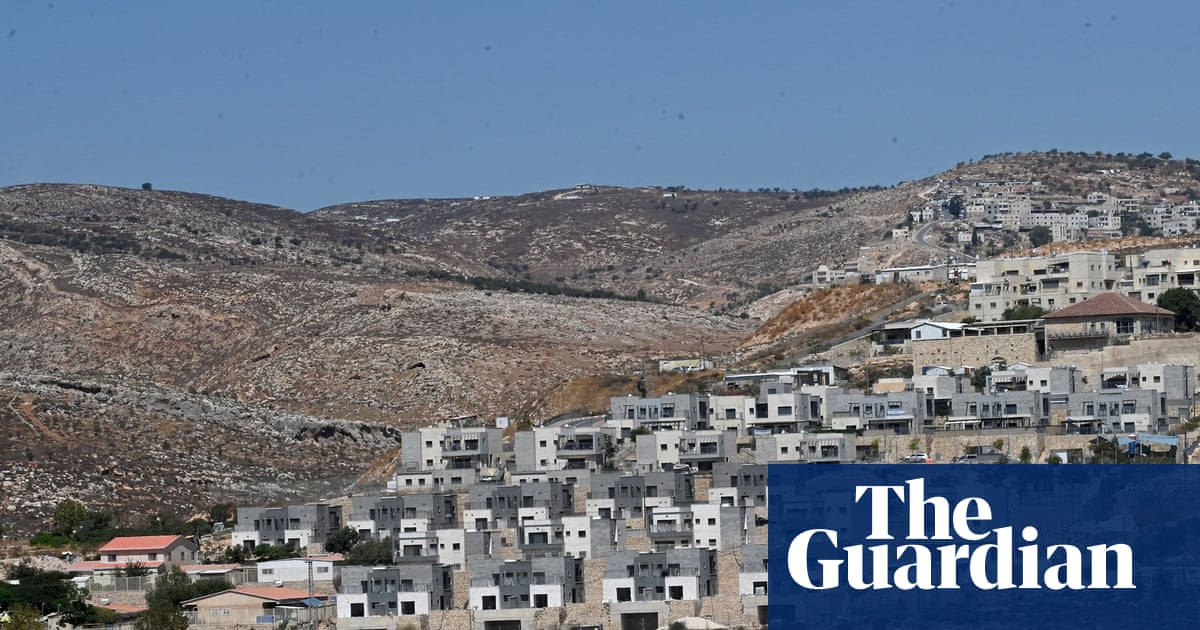
The Australian government has formally declined to participate in a coordinated international effort to ban trade with goods produced in Israeli settlements within the West Bank. This decision places Canberra at odds with key allies, including the United Kingdom, Canada, and France, which have moved forward with prohibitions on such commerce. The divergence highlights growing tensions between Australia’s established diplomatic approach and increasing pressure from both domestic political factions and international partners to adopt more stringent measures regarding the Israeli-Palestinian conflict.
The move by the UK, Canada, and France represents a significant escalation in Western policy toward Israel. British Foreign Secretary Ed Miliband characterized Israeli efforts to control the territory as unlawful, explicitly citing what he described as ethnic cleansing of Palestinians perpetrated by settler terrorists. In a joint statement, leaders from these three nations emphasized that their actions were intended to push for progress toward a two-state solution. Nine additional European countries have also indicated they are considering similar restrictive measures, suggesting a broader shift in European diplomatic strategy.
Within Australia’s ruling Labor Party, the decision has sparked immediate criticism from internal advocacy groups. The Labor Friends of Palestine, a campaign group representing rank-and-file members, wrote to Foreign Minister Penny Wong urging her to join the coordinated approach taken by allied nations. The group argued that participating in the trade ban would align with changes to the party’s national platform agreed upon in July during a conference in Adelaide. They emphasized that the current government stance risks appearing as inaction rather than careful policy design.
The Labor Party’s official platform opposes the annexation of Palestinian territory and calls for an end to illegal settlement activity and occupation. It further instructs the government to cease support for such activities and to implement necessary sanctions. The Friends of Palestine group noted that Australia has previously worked alongside Canada, France, Norway, and the UK in June to impose coordinated sanctions against extremist settlers and those supporting violence against Palestinian civilians. They argued that the recent announcements by allied governments provide an opportunity to give practical effect to these existing commitments.
Despite this internal pressure, Foreign Minister Penny Wong confirmed that Australia is preparing another round of sanctions against Israel but stopped short of endorsing a broad ban on settlement goods. Speaking in the Senate, Wong addressed claims from the Greens party that her administration was attempting to placate the government of Israeli Prime Minister Benjamin Netanyahu. She dismissed these allegations as incorrect, noting that the Netanyahu government has made its displeasure with Australian actions very clear.
Wong emphasized that Australia’s strategy focuses on sanctioning specific individuals and groups responsible for abhorrent settler violence that terrorizes Palestinian communities. When challenged by Greens Senator Mehreen Faruqi to confirm whether she agreed with Miliband’s assessment of ethnic cleansing in the West Bank, Wong did not directly answer. Instead, she reiterated the government’s focus on targeted measures against extremists rather than broad economic restrictions that might have unintended consequences for Palestinian workers.
The UK’s new sanctions package includes a ban on arms licenses and other exports to Israel, alongside planned individual sanctions that could take six to nine months to implement. The British government has framed these steps as necessary responses to escalating violence and unlawful territorial control. Australia’s refusal to join the trade ban suggests a continued preference for diplomatic engagement combined with targeted punitive measures, rather than comprehensive economic isolation.
This diplomatic standoff occurs against a backdrop of heightened scrutiny regarding Australian involvement in the region. Wong has been working closely with the family of Zomi Frankcom, an Australian aid worker killed in Gaza strikes along with six colleagues. The Israel Defense Forces have decided not to open a criminal investigation into the incident, prompting ongoing discussions about appropriate responses. The government’s balancing act between maintaining alliance cohesion and adhering to domestic political expectations remains a central challenge in its foreign policy formulation.
The implications of this decision extend beyond immediate trade relations. By opting out of the allied ban, Australia signals a distinct approach to Middle East diplomacy that prioritizes nuanced engagement over collective punitive action. This stance may influence future multilateral negotiations and could affect Australia’s standing within international coalitions focused on human rights and conflict resolution. As other European nations consider similar measures, the divergence in policy approaches among Western democracies becomes increasingly pronounced.
Looking ahead, the Labor government faces continued pressure to reconcile its official platform commitments with its practical diplomatic actions. The Friends of Palestine group has called for careful policy design that protects Palestinian workers while avoiding unintended consequences. Whether Australia will adjust its stance in response to evolving international dynamics or internal political demands remains uncertain. The coming months will likely see further developments in both regional conflict dynamics and domestic political discourse regarding Australia’s role in the Middle East.
Sources behind this briefing
Go to the original reporting
- The Guardian World↗Labor friends of Palestine criticise Australia’s decision not to join sanctions on Israeli settlements in West Bank

