The short version
- Australian Prime Minister Anthony Albanese confirmed that thirty-four Australian citizens are currently missing following severe flash floods in the Nepal-Tibet border region.
- The Nepal Tourist Board reports a total of at least four hundred and three people missing, with foreign nationals comprising the majority of those unaccounted for.
- Nepal’s embassy in Canberra has formally requested both financial aid and technical support from the Australian government to assist with search and rescue operations.
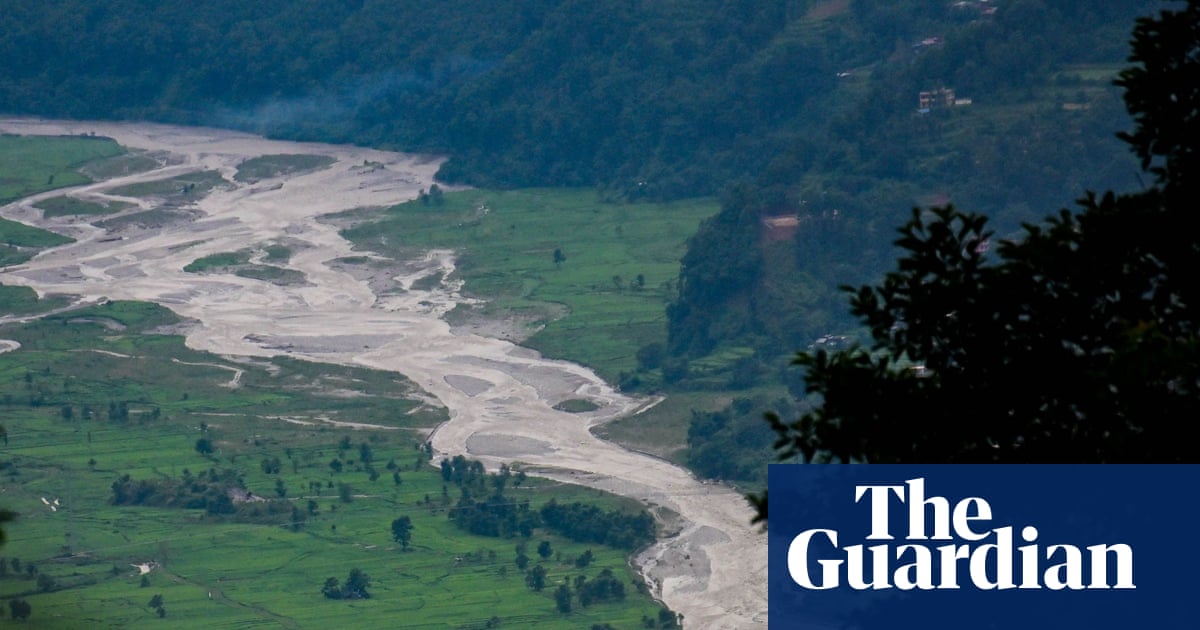
Severe flash flooding along the Himalayan border between Nepal and Tibet has resulted in a significant humanitarian crisis, with Australian authorities confirming that thirty-four citizens are currently missing. Prime Minister Anthony Albanese announced the figure on Thursday morning, noting that the government is engaged in urgent efforts to verify the safety of nationals in the affected region. The disaster has swept away critical infrastructure, including houses, roads, and bridges, complicating immediate response efforts and hindering communication with those stranded or unaccounted for.
The scale of the incident extends well beyond Australian interests. Data provided by the Nepal Tourist Board indicates that at least four hundred and three individuals are missing in total. Among this group, three hundred and forty-one are foreign nationals, highlighting the vulnerability of tourists in the area during extreme weather events. The breakdown of missing persons includes two hundred and three males and two hundred females. Other nationalities significantly represented among the missing include forty-seven Americans, thirty-three British citizens, and twenty-four Canadians.
Obtaining reliable information from the disaster zone has proven exceptionally difficult due to the destruction of communication networks and physical access routes. Prime Minister Albanese acknowledged these challenges, stating that securing accurate data from Nepal was a primary obstacle. He expressed sympathy for families and friends awaiting news of their loved ones, emphasizing the emotional toll on those waiting for updates. The Australian government is actively liaising with local authorities and tour operators to piece together the whereabouts of citizens who were traveling in the region.
One identified Australian victim was traveling with Kathmandu Holiday Tours and Travel, a detail that underscores the role of organized tourism in the affected areas. While specific details about other travelers remain scarce, the involvement of tour operators suggests that many victims may have been on guided excursions rather than independent treks. This distinction is relevant for consular efforts, as agencies can often trace individuals through booking records and group itineraries more efficiently than solo travelers.
In response to the escalating situation, Nepal’s diplomatic mission in Canberra has reached out to Australian officials for assistance. Saroj Paneru, the second secretary at the embassy, confirmed that Nepal is seeking both financial aid and technical support to aid in search and rescue operations. The embassy stated it is in active communication with Australian counterparts and hopes to receive substantial help. This request reflects the broader strain on Nepal’s resources as it manages a disaster of this magnitude across multiple districts.
Verification of the missing persons list remains an ongoing process. Paneru noted that the embassy is still working to confirm the exact number of Australians impacted by the flooding. The tourism industry in Nepal is currently collecting data on individuals who were present in the affected zones. Once this information is consolidated and verified, it will be shared with the Australian government and the embassy in Kathmandu to facilitate targeted consular assistance.
Australian Foreign Minister Penny Wong issued a statement condemning the devastation caused by the floods, describing the loss of life and property as severe. She affirmed that Department of Foreign Affairs and Trade officials are working urgently to confirm the welfare of Australians in the area. Wong encouraged any Australians requiring emergency consular assistance to contact the dedicated emergency center. The department acknowledged awareness of multiple Australians in the flood zone and reiterated its readiness to provide necessary support.
International solidarity has been expressed through a joint statement issued by the embassies of Australia, Finland, France, Norway, Switzerland, and the United Kingdom. Posted on social media by Australian Ambassador to Nepal Simon Ernst, the statement conveyed deep sadness over the flooding in Rasuwa and Nuwakot districts and surrounding areas. The diplomats urged all individuals in affected regions to follow local authority guidance and official safety advisories as the situation continues to evolve.
The immediate focus for both Nepalese and international responders is on locating missing persons and restoring basic infrastructure. The destruction of roads and bridges has isolated communities, delaying rescue missions and relief efforts. As weather conditions stabilize, authorities expect to gain better access to the hardest-hit areas. Until then, families of the missing face uncertainty, relying on fragmented information from official channels and tour operators.
Looking ahead, the Australian government is preparing for potential long-term consular needs, including repatriation and legal assistance for affected citizens. The incident highlights the risks associated with tourism in geologically unstable regions prone to extreme weather. As more data becomes available, the death toll may rise, and the number of confirmed survivors may increase. For now, the priority remains on search and rescue operations and providing support to those displaced by the disaster.
Sources behind this briefing
Go to the original reporting
- The Guardian World↗Anthony Albanese says 34 Australians among hundreds of people missing in deadly Nepal flash floods

