The short version
- Attorney General Todd Blanche stated he will not pledge that the Justice Department will always act independently of the White House, arguing no attorney general should make such a vow.
- Blanche denied that President Trump has ever asked him to perform illegal or unethical acts, dismissing concerns about political interference as a false narrative driven by critics.
- Legal experts and Senate opponents criticize his stance as a departure from post-Watergate norms, while Blanche defends recent pardons and ongoing election integrity efforts despite court setbacks.
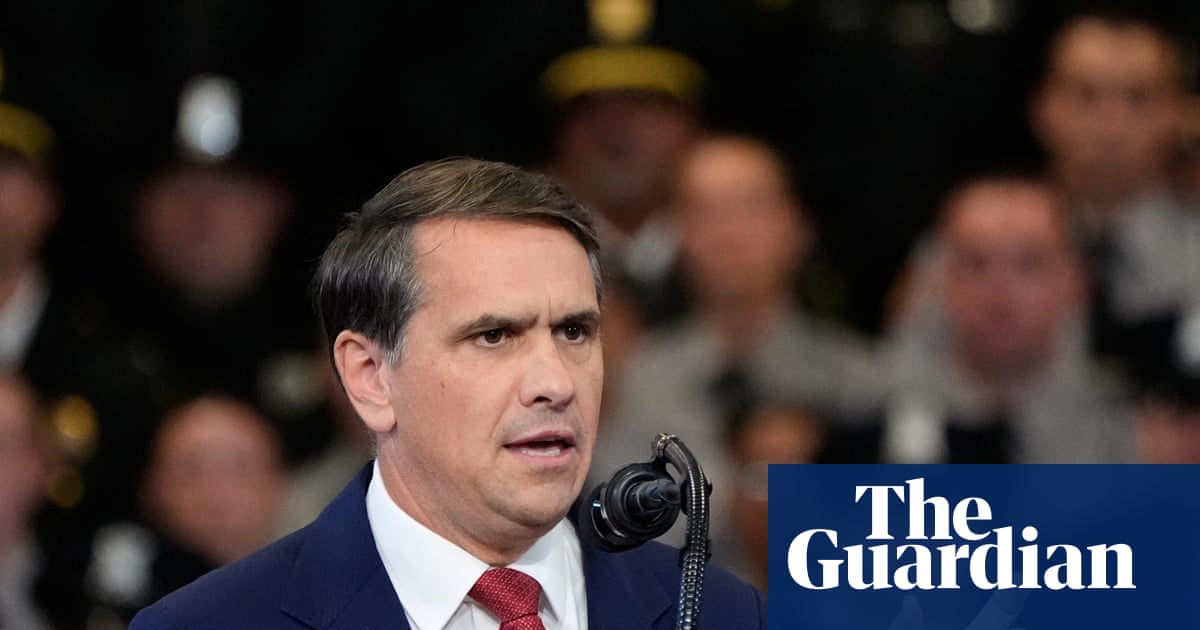
Attorney General Todd Blanche has explicitly declined to guarantee that the Department of Justice will operate independently of the White House, marking a significant shift in how the nation’s top law enforcement official defines their relationship with the executive branch. During a Sunday interview on NBC’s Meet the Press, Blanche told host Kristen Welker that he would not make such a pledge and argued that no attorney general should ever be expected to do so. His refusal comes amid growing scrutiny over the department’s direction under President Donald Trump, who recently dismissed his predecessor, Pam Bondi, citing dissatisfaction with the agency’s actions against political opponents.
Blanche sought to reassure viewers that ethical boundaries remain intact despite his rejection of an independence vow. He asserted that President Trump has never asked him to cross legal or ethical lines and promised that such requests would not occur in the future. Blanche characterized the widespread concern about presidential interference as a fabricated narrative promoted by political opponents and media outlets. He emphasized his oath to the U.S. Constitution, aligning himself with every cabinet secretary and previous attorney general who has sworn similar loyalty to the nation’s foundational document rather than to an abstract concept of institutional autonomy.
The attorney general’s comments have drawn sharp criticism from legal scholars and political rivals. Barb McQuade, a law professor at the University of Michigan, described Blanche’s position as a disgraceful break from the Justice Department’s mission established after the Watergate scandal led to President Richard Nixon’s resignation in 1974. McQuade argued on social media that the department has effectively been transformed into a private legal service for the president, signaling the end of the institution as it was historically understood. This perspective reflects broader anxieties among Democrats and independent observers about the erosion of checks and balances within the federal government.
Blanche’s confirmation to the role was narrow and contentious, secured by a 50-49 Senate vote with all Democratic senators voting against him. His appointment follows a period in which he served as Trump’s criminal defense attorney during the former president’s conviction on 34 felony counts of falsifying business records related to payments made to adult film star Stormy Daniels. In April, Blanche had indicated his personal loyalty to Trump, stating he would express affection if the president chose to fire him and nominate a replacement for Bondi. This history has fueled skepticism regarding his ability to maintain impartiality in overseeing federal prosecutions.
Beyond the debate over institutional independence, Blanche faced questions about specific policy decisions and ongoing controversies. He defended the administration’s decision to move Ghislaine Maxwell, a convicted child sexual trafficker and associate of Jeffrey Epstein, to a minimum-security prison facility. Additionally, he continues to face scrutiny regarding his handling of documents related to the Epstein sex-trafficking network and his treatment of victims associated with the case. These issues have complicated his tenure, drawing attention from advocacy groups and lawmakers concerned about justice for survivors.
Blanche also addressed President Trump’s decision to pardon approximately 1,500 individuals convicted of attacking the U.S. Capitol in early 2021. When asked to evaluate the morality or legality of these pardons, which included more than 170 people who pleaded guilty to assaulting police officers, Blanche refused to criticize the president’s actions. He stated that exercising clemency is a constitutional right of the presidency and declined to opine on whether the pardoned individuals might still pursue financial settlements from the federal government. He noted that while anyone can file claims against the government, he would not speculate on litigation outcomes during a news interview.
The attorney general also touched on the status of a $1.8 billion fund intended to compensate allies who believed they were unfairly prosecuted by previous administrations. Blanche indicated that this so-called anti-weaponization fund was no longer active, though he did not provide detailed explanations for its termination. His comments suggest a winding down of certain legal initiatives aimed at reversing past prosecutions, even as the department continues to pursue other priorities aligned with the current administration’s agenda.
Looking ahead, Blanche affirmed that the Justice Department would continue its efforts related to election integrity, despite facing more than 20 consecutive court defeats in attempts to compel states to release voter rolls. These legal challenges are particularly relevant ahead of the November midterm elections, where projections suggest the Republican Party may lose seats in Congress and potentially its majority in the House of Representatives. Blanche’s insistence on maintaining these efforts, coupled with his refusal to pledge independence, underscores a strategic alignment with the White House that critics argue compromises the department’s traditional role as an impartial arbiter of federal law.
As the midterm elections approach, the tension between executive authority and judicial independence remains a central political issue. Blanche’s stance has solidified his position as a loyalist to President Trump while alienating those who view the Justice Department as a check on presidential power. The coming months will likely test whether this alignment can withstand legal challenges and public pressure, particularly if high-profile cases involving political figures arise. For now, the attorney general maintains that his approach is consistent with constitutional duties, even as opponents warn of long-term damage to democratic institutions.
Sources behind this briefing
Go to the original reporting
- The Guardian US Politics↗Todd Blanche declines to pledge independence from White House