The short version
- Residents of Astley will present evidence at a public inquiry regarding the negative impact of a nearby warehouse on their health and property values.
- Local officials acknowledge procedural shortcomings in the approval process, while developers maintain that building specifications have remained consistent with recent applications.
- The case reflects a wider trend of community resistance to large-scale industrial and data infrastructure projects across the United Kingdom.
A public inquiry is set to examine the contentious development of a massive distribution warehouse in Astley, Greater Manchester, as residents prepare to detail how the facility has disrupted their daily lives. The hearing will focus on allegations that the structure, operated by the logistics firm Whistl, has generated excessive noise and visual intrusion, fundamentally altering the character of the once-quiet village. This local dispute has emerged as a focal point for broader concerns regarding industrial zoning and community consultation in an era of rapid infrastructure expansion.
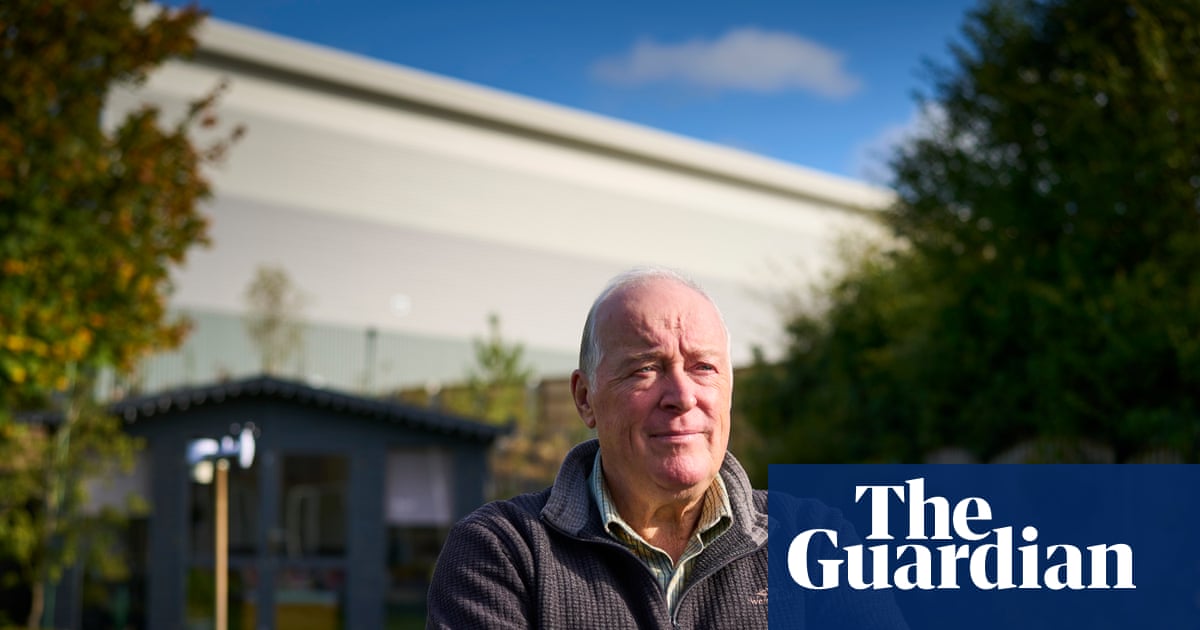
Stephen Retford, a retired police officer who moved to the area seeking tranquility after decades in law enforcement, describes the situation as a profound injustice. He points to the eighteen-meter-high structure looming over homes that were previously surrounded by farmland. Retford and other neighbors report severe sleep deprivation and rising stress levels, attributing these health issues to the constant hum of conveyor belts and the movement of heavy goods vehicles around the clock. The psychological toll appears significant, with some residents describing their living conditions as unbearable.
The impact on families is particularly acute. One resident, a serving police officer who requested anonymity, shared that her autistic son refuses to play in the garden due to the continuous mechanical noise. Her younger daughter has become fearful of being observed by security cameras mounted on the warehouse walls, leading her to keep blinds drawn even during daylight hours. These personal accounts underscore the human cost of the development, moving beyond abstract planning debates to tangible effects on mental well-being and family dynamics.
Political figures have weighed in on the controversy, with former Greater Manchester Mayor Andy Burnham expressing concern about the project before his elevation to prime minister. His successor, Bev Craig, echoed these sentiments, questioning why modern industrial facilities are permitted closer to residential zones than older industries were historically allowed. The criticism suggests a perceived shift in planning standards that favors commercial efficiency over community preservation. Local council leaders have since admitted that lessons were learned from the backlash, promising more proactive engagement with residents in future developments.
Property values in the immediate vicinity have reportedly suffered as a result of the construction. Helen Halbous, a long-time resident, noted that neighbors have seen their home valuations drop by approximately thirty percent, raising fears that owners may be trapped in assets they can no longer sell. She and others feel misled by the planning process, believing that earlier proposals for smaller employment units were quietly replaced with permission for a much larger structure without adequate public notice. This sense of betrayal has fueled deep resentment toward local authorities.
Wigan Council defended its decision to approve the superstructure, stating it acted within proper legal frameworks despite objections from residents and the local Member of Parliament. However, council leader Nazia Rehman acknowledged that some aspects of the consultation process could have been handled differently. In response to the widespread dissatisfaction, local leaders have scrapped plans for four other giant warehouses in the region. This reversal indicates a growing sensitivity to public opinion regarding large-scale industrial projects.
The landowner, PLP, disputed claims that the building’s scale changed unexpectedly. The company stated that the size and specifications of the warehouse had not altered since its planning application was submitted in 2023. It clarified that earlier proposals for smaller units, filed by shareholder Peel Group in 2017, had lapsed and were no longer relevant to the current approval. This distinction highlights a key point of contention: whether residents were adequately informed about the final design before purchasing property or committing to long-term residency.
Astley’s struggle is part of a nationwide pattern of resistance against so-called monster warehouses and hyperscale data centers. Similar conflicts have arisen in Devon, Cardiff, and the Scottish Borders, as communities grapple with the environmental and social impacts of rapid technological and logistical infrastructure growth. With hundreds of new data centers seeking grid connection, the tension between economic development and residential quality of life is likely to intensify. The outcome of the Astley inquiry may set important precedents for how such disputes are resolved in the future.
As the two-day inquiry proceeds, villagers aim to block plans for increased heavy goods vehicle traffic and round-the-clock operations. Their testimony will center on the cacophony of noise that has persisted for over a year, disrupting sleep and causing depression. The case illustrates the challenges faced by rural and semi-rural communities caught in the path of modern industrial expansion. It also raises questions about the adequacy of current planning regulations in protecting residents from the unintended consequences of large-scale commercial development.
The resolution of this dispute will depend on whether regulators prioritize economic utility or community welfare. While developers argue for consistency with approved plans, residents demand accountability for what they perceive as a breach of trust. The Astley situation serves as a microcosm of larger debates about land use, environmental justice, and the right to a peaceful home. As similar projects queue up across the country, the lessons from this inquiry could influence planning policies far beyond Greater Manchester.
Sources behind this briefing
Go to the original reporting
- The Guardian World↗‘It’s a feeling of being screwed over’: once-quiet village despairs over ‘monster’ warehouse


