The short version
- Arsenal defeated Chelsea 2-1 in a match defined by an unusually aggressive and open first half.
- The encounter highlighted a potential departure from the highly structured, low-scoring games that dominated the previous season.
- Tensions between tactical control and spontaneous play were evident in both on-field actions and sideline interventions.
Arsenal secured a 2-1 victory over Chelsea at the Emirates Stadium, but the final scoreline barely captured the significance of the match’s opening phase. The first thirty minutes delivered a level of intensity and attacking freedom that stood in stark contrast to the cautious, defensively rigid football that characterized much of the previous campaign. Both teams engaged in a breathless exchange, with Arsenal generating ten shots in that initial period alone. This early burst suggested a renewed willingness among top-tier clubs to prioritize offensive momentum over risk mitigation, offering a glimpse of what could become a more entertaining season for supporters.
The match began with Chelsea striking first, as Morgan Rogers finished a volley just over a minute into the game. Rather than retreating into a defensive shell, Arsenal responded with immediate pressure. The home side stretched Chelsea’s full-backs and committed players forward in numbers, creating a chaotic but compelling dynamic. This approach mirrored the high-stakes rivalries of earlier Premier League eras, where physicality and speed often outweighed tactical restraint. The energy on the pitch felt less like a calculated chess match and more like a spontaneous contest of wills.
Arsenal equalized in the 25th minute through Kai Havertz, who drifted inside and finished low into the near post. His performance continued to influence the game’s trajectory, particularly in the decisive moment that led to Arsenal’s lead. Havertz created space for Martin Ødegaard by simply dribbling away from him, a move that lacked theatrical flair but proved effective. The resulting goal restored parity and shifted the momentum firmly toward the home side, setting the stage for a second half that was more episodic but ultimately controlled by Arsenal.
The match also highlighted the ongoing tension between data-driven management and the organic nature of sport. In the 87th minute, Chelsea’s Reece James received a note from substitute Danny Welbeck during a free-kick situation. The intervention, which appeared to offer tactical advice on shot placement, underscored the increasing presence of analytical oversight in real-time decision-making. While such measures aim to optimize performance, they risk disrupting the flow and spontaneity that define live competition. The incident served as a microcosm of the broader debate surrounding the role of technology and analytics in modern football.
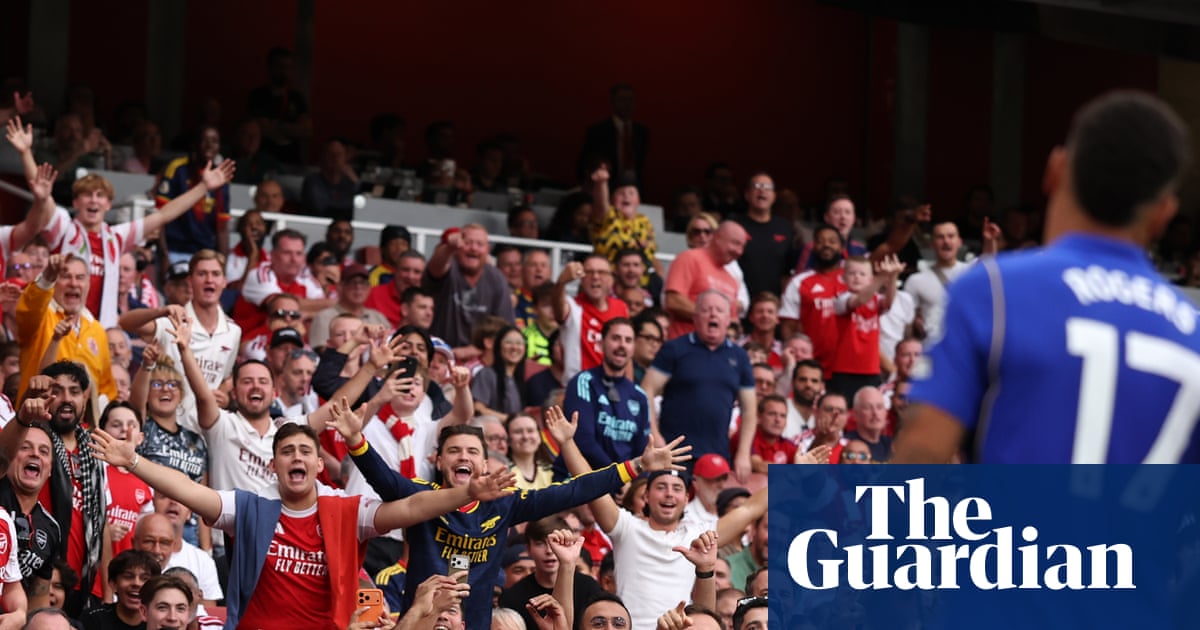
Fan reactions further illustrated the divide between structured play and emotional engagement. Arsenal supporters directed criticism at Morgan Rogers, questioning his transfer decisions, while he appeared physically and emotionally drained after contributing to the match’s intense opening phase. The atmosphere reflected a desire for passion and unpredictability, qualities that were on display in the first half but faded as the game settled into a more predictable rhythm. This dynamic suggests that while teams may benefit from defensive organization, supporters crave the drama and uncertainty that come with open play.
The managerial matchup added another layer of intrigue to the encounter. Xabi Alonso’s presence on the touchline brought a fresh visual and tactical element to the rivalry. His demeanor and style contrasted with the more traditional approaches seen in previous seasons, hinting at a potential shift in how top clubs approach high-profile fixtures. The alignment of these two managers, both known for their emphasis on control and structure, produced a game that initially defied those expectations. This contradiction may signal an evolving strategy among elite teams to balance discipline with attacking intent.
As the season progresses, the implications of this match extend beyond the result itself. The Premier League has faced criticism for becoming overly predictable, with many games resembling carefully choreographed displays rather than competitive contests. The wildness and energy shown by Arsenal and Chelsea in the opening stages offer a counter-narrative to that trend. If teams continue to embrace this style, it could lead to a more vibrant and unpredictable league, benefiting both players and fans. However, sustaining this level of intensity remains a challenge, as fatigue and tactical adjustments often lead to more conservative play in later matches.
Looking ahead, the key question is whether this performance represents a temporary anomaly or a lasting shift in tactical philosophy. Arsenal’s ability to maintain their lead despite a chaotic second half suggests resilience, but the lack of sustained pressure after the opening burst indicates room for improvement. Chelsea, meanwhile, must decide how much weight to place on analytical interventions versus trusting player instinct. The coming weeks will reveal whether these teams can replicate this blend of structure and spontaneity, or if they will revert to the safer, more controlled approaches that defined the previous season.
Sources behind this briefing
Go to the original reporting
- The Guardian US↗Wild opening salvo against Chelsea hints at exciting times for Arsenal fans | Barney Ronay

