The short version
- The U.S. Army has paused all Apache helicopter training flights following a fatal crash in Texas that claimed the lives of two warrant officers.
- An investigation team from Fort Rucker is examining the incident, with officials stating the stand-down will continue until the root cause is identified.
- Combat operations involving Apaches, including those in the Strait of Hormuz, remain unaffected by this temporary safety measure.
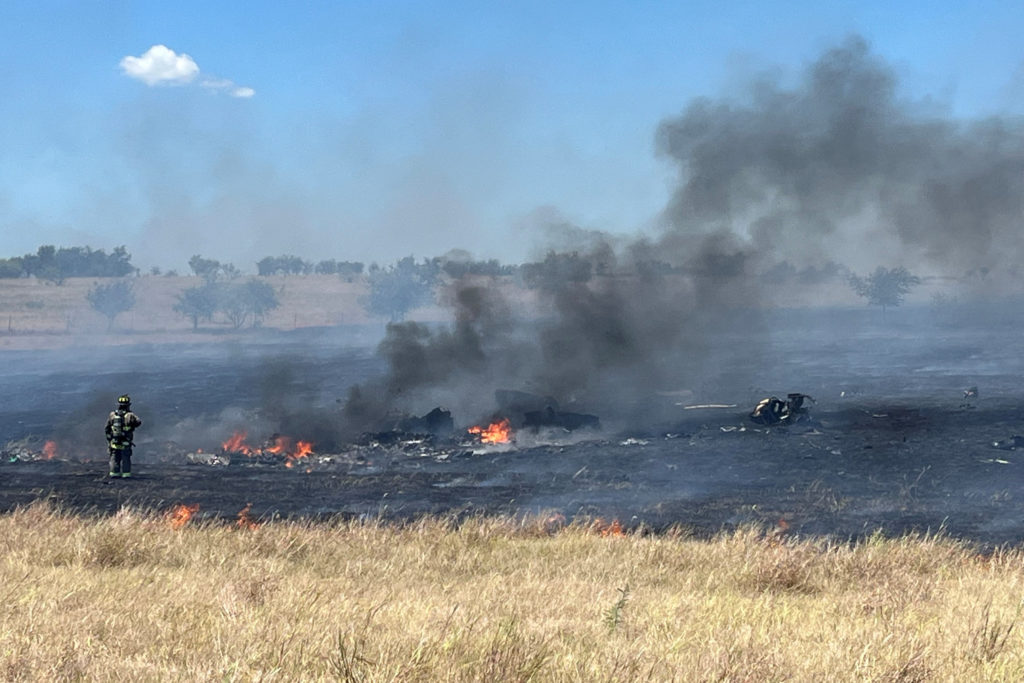
The United States Army has implemented a temporary suspension of all training missions for its Apache helicopter fleet. This decision follows a fatal accident earlier this week in Texas that resulted in the deaths of two soldiers. The halt is intended to allow investigators sufficient time to determine the underlying causes of the crash before normal operations resume. Military officials emphasized that the pause is a precautionary measure designed to prioritize safety while the inquiry proceeds.
The incident occurred on Wednesday near Salado, approximately thirty miles from Fort Hood. The helicopter crashed in a grassy field, killing Chief Warrant Officer 2 Deontre T. Huey and Warrant Officer Seth L. Olmstead. Both men were assigned to Bravo Company of the 1st Battalion, 227th Aviation Regiment, which is part of the 1st Air Cavalry Brigade within the 1st Cavalry Division. Huey, thirty-four, had served in the Army since 2014, while Olmstead, twenty-five, joined in 2023.
A safety investigation team from the Army Combat Readiness Center at Fort Rucker, Alabama, has been deployed to examine the wreckage and surrounding circumstances. No official cause for the crash has been released, as the inquiry is in its initial stages. The Army stated that the training stand-down will remain in effect until investigators have a clearer understanding of the accident's root cause. This approach mirrors previous actions taken by the military following significant aviation incidents.
It is important to note that this suspension applies strictly to training activities. Combat missions involving Apache helicopters are continuing as scheduled. These aircraft are currently deployed in various operational theaters, including around the Strait of Hormuz, where they support measures to maintain open navigation channels. Recent reports indicate that one Apache was previously damaged after colliding with an Iranian drone in that region, highlighting the active combat role these machines play despite the domestic training pause.
The Army has a history of grounding aviation units following fatal accidents to reassess safety protocols. Three years ago, all aviation units were grounded until additional training was completed, a response to twelve soldier deaths in separate crashes in Alaska and Kentucky. This pattern suggests an institutional willingness to interrupt operations when systemic risks are suspected or when specific failures need urgent correction. The current stand-down reflects this same procedural caution.
Lt. Gen. Kevin D. Admiral, the commanding general of III Armored Corps and Fort Hood, expressed deep condolences to the families of the deceased soldiers. He described the Army as a family where such tragedies are felt throughout the community and formations. The base itself is a massive installation covering over 214,000 acres, used extensively for training heavy forces. It has seen previous aviation accidents, including a Black Hawk crash in 2015 that killed four soldiers during a training exercise.
Aviation safety experts have viewed the Army's decision to halt training as a positive step. John Cox, an aviation safety expert and CEO of Safety Operating Systems, noted that such actions signal a proactive approach to safety. He emphasized that without hard answers from an investigation, assumptions about safety are merely guesses. The move is seen as encouraging because it demonstrates a commitment to identifying risks before they lead to further casualties.
This incident occurs against a backdrop of heightened scrutiny regarding Army aviation safety. The National Transportation Safety Board previously criticized the Army's safety culture during its investigation of a 2025 collision between a Black Hawk helicopter and an American Airlines jet near Washington, D.C. That crash killed sixty-seven people and led to findings that the Army had failed to adequately recognize safety risks in busy airspace. The current Texas crash may add further pressure on the military to demonstrate rigorous oversight.
The Apache attack helicopter has been a cornerstone of Army aviation since its introduction in 1984. More than five thousand units have been deployed by the U.S. military and its allies over the decades. As investigators work through the details of the Texas crash, the broader implications for fleet readiness and safety protocols will likely come into focus. The duration of the training halt will depend entirely on the findings of the Fort Rucker team.
For now, the immediate priority remains the investigation and supporting the families of the fallen soldiers. The Army has not specified a timeline for when training missions might resume, leaving the decision contingent on the completion of the safety review. This uncertainty is standard procedure in such cases, ensuring that no operational risks are overlooked before flights return to the sky.
Sources behind this briefing
Go to the original reporting
- PBS NewsHour↗Army temporarily halts Apache helicopter training missions after deadly Texas crash

