The short version
- Army Secretary Daniel Driscoll resigned after eighteen months in office, following reported disagreements with Defense Secretary Pete Hegseth regarding military transformation and officer promotions.
- Critics argue that Hegseth has systematically removed senior leaders who prioritize competence over personal allegiance, creating a leadership vacuum within the Department of Defense.
- The resignation occurs while thousands of troops are deployed abroad, raising concerns among bipartisan lawmakers about the impact on army readiness and ongoing strategic initiatives.
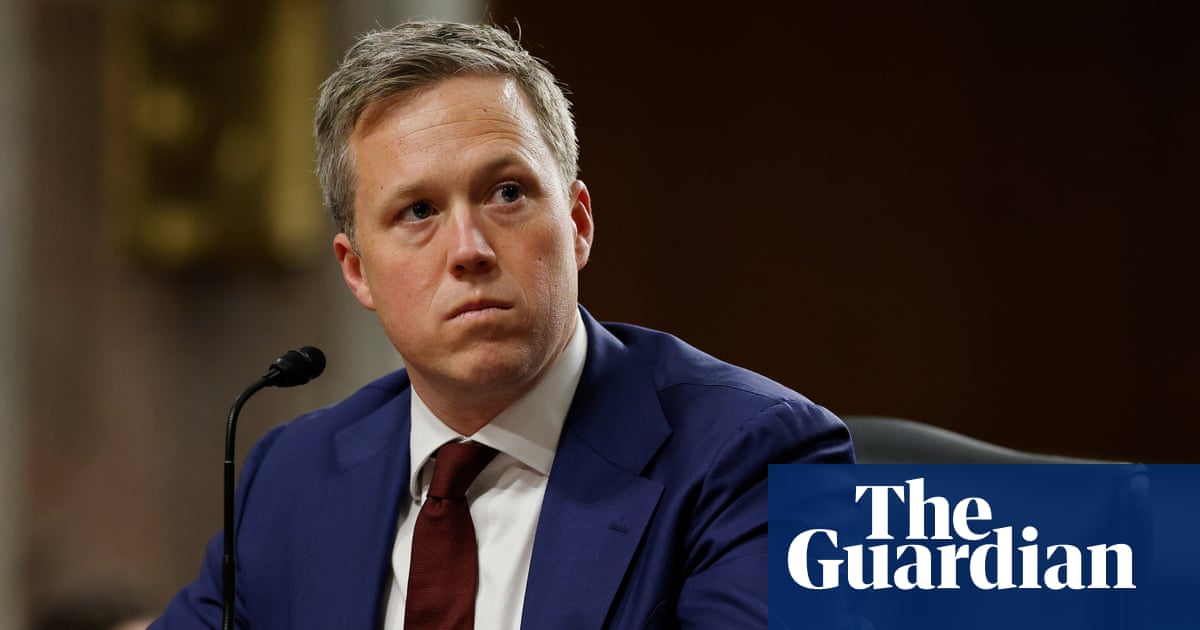
Daniel Driscoll has resigned as Secretary of the Army, ending an eighteen-month tenure marked by escalating tensions with Defense Secretary Pete Hegseth. The departure comes without an official explanation from the administration, though reports indicate Driscoll raised serious concerns about the state of the military during a final conversation with President Donald Trump. White House spokesperson Anna Kelly characterized Driscoll’s service as highly effective in advancing the president’s agenda, specifically highlighting his contributions to readiness initiatives and his role in diplomatic negotiations concerning Russia and Ukraine.
The resignation has drawn sharp criticism from lawmakers who view it as evidence of a broader institutional crisis within the Pentagon. Senator Jack Reed, the ranking Democrat on the Senate Armed Services Committee, stated that he did not welcome the departure and accused Hegseth of inflicting lasting harm on the department. Reed argued that the defense secretary has fostered an environment where dissent is penalized and personal loyalty outweighs professional competence. He pointed to the removal and blocked promotions of dozens of senior officers as evidence of this pattern.
Central to the conflict was the forced departure of Army Chief of Staff General Randy George in April, a move that reportedly fractured the working relationship between Driscoll and Hegseth. Driscoll had previously praised George as a transformational leader and visited his home shortly after learning of the dismissal. The two had collaborated on the Army Transformation Initiative, a program designed to modernize the service by integrating drone technology and accelerating weapons acquisition based on lessons learned from the war in Ukraine.
Following George’s removal, the army reportedly scaled back the drone unit that Driscoll and George had championed, reverting it to a conventional infantry role. This shift appears to contradict the modernization goals Driscoll had publicly supported. Additionally, Hegseth blocked the promotion of four Army colonels to brigadier general, a decision made over the objections of both Driscoll and George. These actions have led critics to argue that strategic military reforms are being dismantled in favor of personnel changes driven by political alignment rather than operational necessity.
Driscoll’s exit is part of a wider pattern of senior departures under Hegseth’s leadership. Previous high-profile resignations or removals include Navy Secretary John Phelan, Southern Command Chief Admiral Alvin Holsey, and General Chris Donahue, who commanded US Army forces in Europe and Africa. Representative Jason Crow, a former Army Ranger and member of the House Armed Services Committee, described the Pentagon as rudderless in some areas, citing a lack of leadership at both uniformed and civilian senior levels. He expressed grave concern about the stability of the department’s command structure.
Before his resignation, Driscoll reportedly sought assistance from Vice President JD Vance, a friend since their law school days, as tensions with Hegseth intensified. At that time, Driscoll told reporters he had no intention of leaving his post. The contrast between his earlier commitment to stay and his sudden departure underscores the severity of the internal conflicts. An Army official indicated that Driscoll discussed the current state of the army with Trump before submitting his resignation, raising questions about how much the president was aware of or willing to address the operational disruptions.
The timing of the resignation is particularly sensitive, occurring while thousands of US soldiers are deployed in the Middle East. Lawmakers from both parties have praised Driscoll’s leadership during his tenure, noting his background as an Iraq War veteran and his experience in finance and technology before joining the administration. His role as a negotiator in talks aimed at ending the Russian war on Ukraine further highlighted his importance to the administration’s foreign policy objectives.
Speculation is already mounting regarding Driscoll’s successor. Sean Parnell, Hegseth’s chief spokesperson, has reportedly expressed interest in the Army Secretary position and is among those being considered for the role. Neither the White House nor the Pentagon has disclosed the details of Driscoll’s final conversation with Trump or how the president responded to his concerns. As the search for a new leader begins, questions remain about whether the administration will continue its current personnel strategy or attempt to stabilize the department’s senior ranks.
The situation highlights a growing divide between traditional military leadership structures and the administration’s approach to defense management. While the White House maintains that Driscoll was effective in advancing presidential priorities, critics argue that the aggressive removal of experienced officers undermines institutional knowledge and operational readiness. The coming weeks will likely reveal whether these personnel changes are part of a broader restructuring effort or a symptom of deeper dysfunction within the Department of Defense.
Sources behind this briefing
Go to the original reporting
- The Guardian US Politics↗Army secretary resigns after clashes with Hegseth as Democrats warn of ‘hollowed out’ leadership