The short version
- The fashion house is preparing for formal discussions with LVMH, L’Oréal, and EssilorLuxottica regarding a minority stake sale as mandated by the late founder’s will.
- Silvana Armani has maintained a conservative creative direction to preserve brand legacy, though revenue declined for the second consecutive year in 2025.
- Dario Vitale was appointed to lead Emporio Armani and accessories, marking the first external designer role within the group and signaling potential future leadership changes.
One year after the death of Giorgio Armani, the Italian fashion empire he built over five decades faces a critical juncture regarding its ownership structure. The late designer’s will stipulated that heirs must sell an initial fifteen percent stake within eighteen months of his passing. If a private transaction fails to materialize, an initial public offering is required. Reports indicate the company is now preparing for formal negotiations with three major entities: LVMH, L’Oréal, and EssilorLuxottica. These firms represent preferred acquirers identified by Armani himself, suggesting a strategic alignment between the founder’s vision and current market realities.
The pressure to demonstrate sustained commercial viability has intensified as potential buyers evaluate the brand’s trajectory. Financial data from 2025 reveals a second consecutive year of revenue decline, with total sales dropping by two point eight percent to two point one nine billion euros. This contraction occurs against a backdrop of broader turbulence in the luxury sector, raising questions about the house’s ability to maintain its status as an industry powerhouse without its charismatic founder at the helm. The upcoming ownership transition thus carries significant weight for both internal stakeholders and external investors.
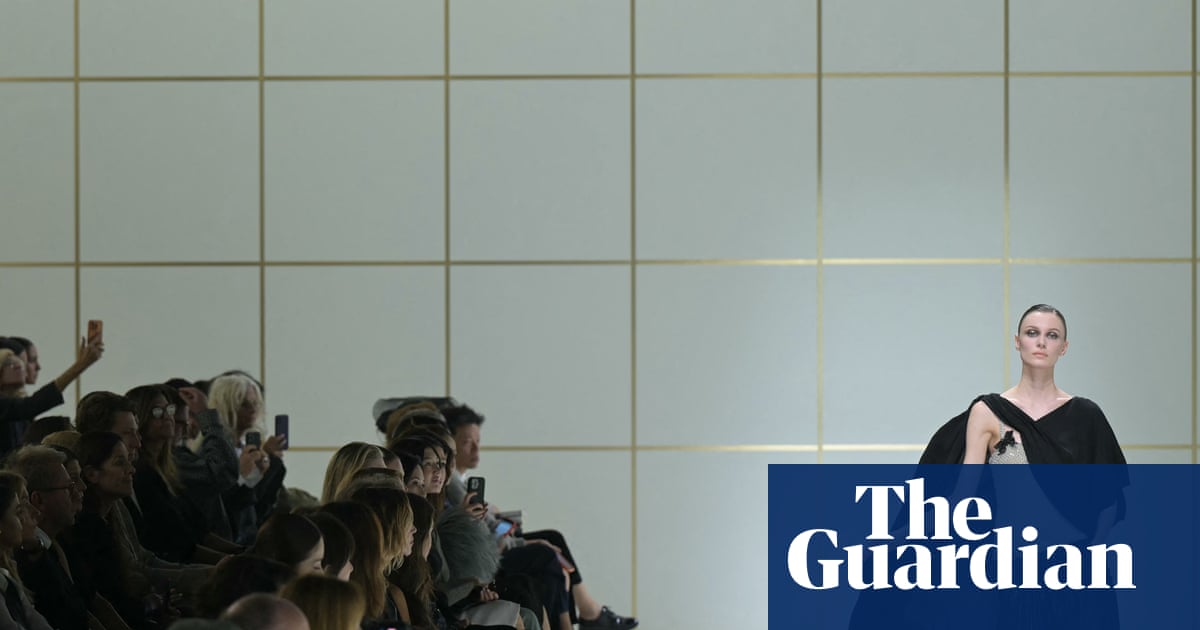
In response to this uncertainty, Silvana Armani, the late designer’s niece and current creative director of womenswear, has adopted a strategy centered on continuity rather than radical reinvention. Her latest collection, which concluded Milan Fashion Week, emphasized the relaxed tailoring that defined her uncle’s aesthetic. Key pieces featured whisper-thin silk shirting and delicate cashmere jackets that echoed Armani’s signature approach to removing heavy shoulder padding and stiff linings. This design philosophy aims to reassure the market that the brand’s core identity remains intact despite leadership changes.
Silvana’s personal style heavily influences her creative output, with the designer noting that her ideal customer inevitably resembles herself. While she has introduced minor adjustments such as eliminating hats, adding pockets to dresses, and incorporating cotton—a material her uncle reportedly disliked—the overall silhouette remains faithful to established norms. Specific tributes included a double-breasted black suit inspired by a childhood photograph of Armani and a bomber jacket featuring his portrait. These elements serve to cement the legacy of the founder while navigating the delicate balance between homage and evolution.
The brand’s historical dominance in Hollywood continues to provide a competitive advantage, bridging high fashion with celebrity culture. From early collaborations with Diane Keaton and Julia Roberts to recent appearances by Zendaya in archival pieces, Armani has consistently shaped red-carpet aesthetics. The latest runway presentations highlighted this strength through liquid black gowns and shimmering tassel details, demonstrating the house’s enduring capability to generate glamour. This cultural capital remains a valuable asset as the company seeks to attract new ownership.
Signs of broader structural change are emerging beyond the mainline womenswear division. The appointment of Dario Vitale as creative director of Emporio Armani marks a significant shift, as he is the first external designer to lead an Armani line. Vitale is tasked with revitalizing the diffusion brand, which accounts for nearly a third of the group’s revenue and targets a younger demographic. Additionally, he will oversee accessories for Giorgio Armani, expanding his influence within the corporate hierarchy.
Vitale’s background includes notable tenures at Miu Miu, where he contributed to its viral success, and Versace, where he served as creative director following Donatella Versace’s departure. Although his time at Versace ended abruptly last year despite critical acclaim, his track record suggests a capacity for modernizing traditional brands. Industry observers anticipate that Vitale may eventually assume the top creative role at Giorgio Armani, a prospect that could enhance the company’s appeal to prospective buyers seeking fresh creative leadership.
The broader Milan fashion week landscape reflected similar themes of transition and star power. Louise Trotter presented her third collection for Bottega Veneta, reimagining the brand’s signature Intrecciato weave across various products. The show featured celebrity attendees including Kendall Jenner, Jacob Elordi, Tyler, the Creator, Solange, Lauren Hutton, and Julianne Moore, underscoring the continued importance of high-profile endorsements in maintaining brand relevance. As Armani navigates its post-founder era, these industry dynamics highlight the complex interplay between heritage, commerce, and creative innovation.
Sources behind this briefing
Go to the original reporting
- The Guardian US↗With turbulence all around, Armani plays it safe and easy in Milan

