The short version
- Argentina seeks an immediate suspension of oil drilling in the North Basin, arguing that unilateral exploitation violates international norms regarding non-self-governing territories.
- The UK contends the tribunal lacks jurisdiction over sovereignty issues and warns that halting the project would cause severe economic harm to island residents.
- Both nations presented competing narratives on urgency and legal precedent before a panel of judges in Hamburg, with further submissions expected.
An international maritime tribunal in Hamburg is currently hearing arguments from Argentina and the United Kingdom regarding the legality of oil exploration near the Falkland Islands. The core of the dispute involves whether Britain can proceed with drilling operations in the North Basin while a longstanding sovereignty conflict remains unresolved. Argentine legal representatives have formally requested that the International Tribunal for the Law of the Sea issue a ruling to suspend these activities immediately, pending further arbitration on the broader territorial claims.
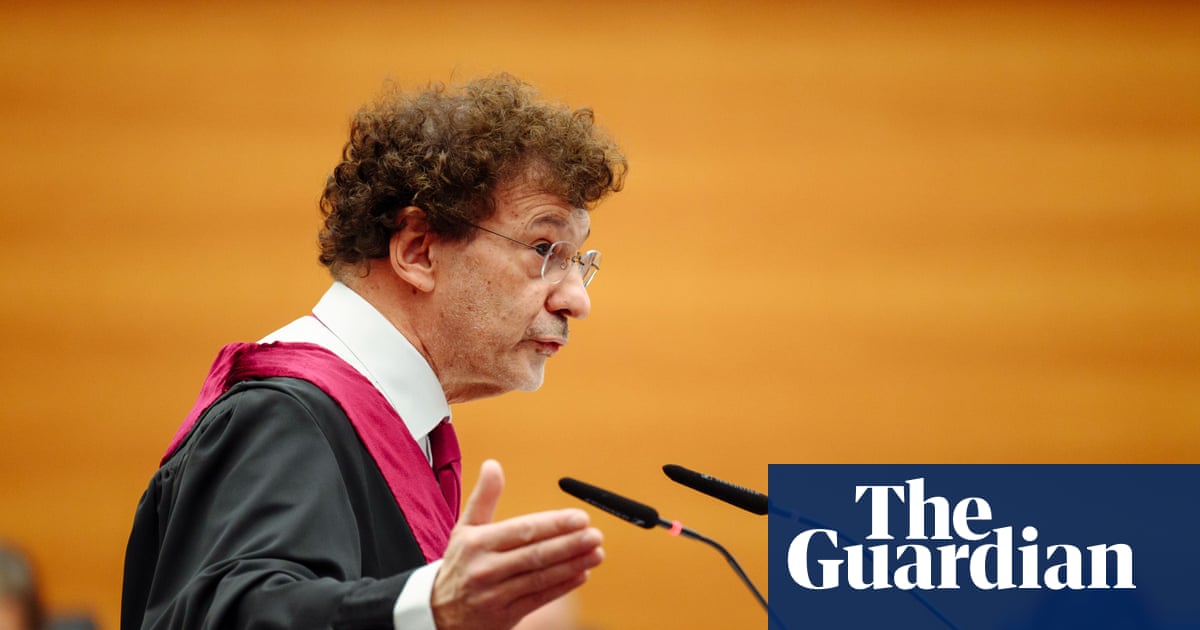
Marcelo Kohen, representing Argentina during the second day of hearings, challenged the British position by criticizing what he described as an outdated colonial mindset. He argued that the United Kingdom should not be allowed to treat the surrounding waters as a domain under exclusive crown control, a concept he likened to seventeenth-century doctrines. Kohen emphasized that the existence of a sovereignty dispute does not create a legal vacuum where one party can act without constraint, urging the tribunal to reject any notion that allows unilateral resource exploitation in contested zones.
The specific site in question is the Sea Lion oilfield, located approximately 130 miles north of the archipelago. Argentina contends that allowing drilling to proceed would cause irreparable harm to its rights and potentially enrich the islands significantly, drawing comparisons to wealthy microstates like Monaco. The Argentine team stressed the urgency of their request, noting that drilling is scheduled to begin in March of next year. They argue that waiting for a final arbitration decision, which might not occur until after extraction begins, would effectively deprive Argentina of its potential share of hydrocarbon resources.
In response, Ellie Reeves, the attorney general for England and Wales, presented a contrasting view to the panel of judges. She asserted that Argentina’s application is primarily a strategic move to advance its sovereignty ambitions rather than a genuine concern for maritime law. Reeves warned that suspending the Sea Lion project would have disastrous economic consequences for the Falkland Islanders and the companies involved in the venture. The UK maintains that the tribunal does not have the authority to intervene in matters of sovereignty, suggesting that the dispute should be handled through different diplomatic or legal channels.
A significant point of contention between the two sides is the definition of urgency. The United Kingdom argues that there is no immediate need for intervention because actual oil extraction is not expected to commence until 2028. This timeline, according to British officials, provides sufficient opportunity for an arbitration panel to reach a conclusion on the future of the oilfield before any permanent damage occurs. Argentina rejects this assessment, maintaining that the authorization and initial phases of drilling themselves constitute a violation of international obligations.
The legal proceedings also touched upon the status of the Falkland Islands under United Nations classification. Kohen pointed out that the UN regards the territory as non-self-governing and has historically called for both parties to refrain from unilateral actions that could alter the status quo before the sovereignty issue is settled. He characterized the UK’s failure to address this classification in its submissions as ignoring a critical aspect of the case, referring to it metaphorically as an obvious but overlooked problem.
Mario Oyarzábal, a legal adviser for Argentina’s foreign ministry, clarified the scope of the request during closing remarks. He stated that the tribunal is not being asked to adjudicate the ultimate sovereignty of the islands, which remains a separate and complex political issue. Instead, the question is narrower: whether the UK can legally authorize new drilling activities in disputed maritime areas while the underlying conflict persists. This distinction aims to keep the proceedings focused on procedural and immediate legal violations rather than broader territorial claims.
The political backdrop of this legal battle includes strong rhetoric from Argentine President Javier Milei, who has described the recovery of the Falklands as a national cause. He recently shared images of the legal team in Hamburg with his cabinet, expressing pride in their efforts to address the issue with unprecedented intensity. The historical context remains sensitive, recalling the 1982 conflict that resulted in significant casualties on both sides and ended with the surrender of Argentine forces.
The tribunal, composed of twenty judges, will continue to review submissions from both parties. The UK is scheduled to provide further arguments in the coming days, likely reinforcing its stance on jurisdiction and economic impact. The outcome of these hearings could set a significant precedent for how international bodies handle resource exploitation in territories with disputed sovereignty, balancing legal rights against economic realities and historical grievances.
As the case progresses, attention will focus on whether the tribunal accepts Argentina’s argument that unilateral drilling violates international law or sides with the UK’s position that such matters fall outside its jurisdiction. The decision could influence not only the immediate fate of the Sea Lion project but also broader diplomatic relations between London and Buenos Aires. The stakes are high for both nations, with economic interests and national pride deeply intertwined in this maritime dispute.
Sources behind this briefing
Go to the original reporting
- The Guardian US↗Argentinian lawyer mocks UK’s sovereignty claim in Falklands oil case