The short version
- ArcelorMittal has ceased operations at its Kryvyi Rih facility following repeated strikes that killed five workers and rendered safe production impossible.
- President Zelenskyy reports that Russian forces are deliberately targeting everyday infrastructure, including food warehouses and internet providers, to disrupt civilian life.
- Kyiv is seeking accelerated financial support from the EU and IMF while urging international partners to pressure China into curbing Moscow’s war efforts.
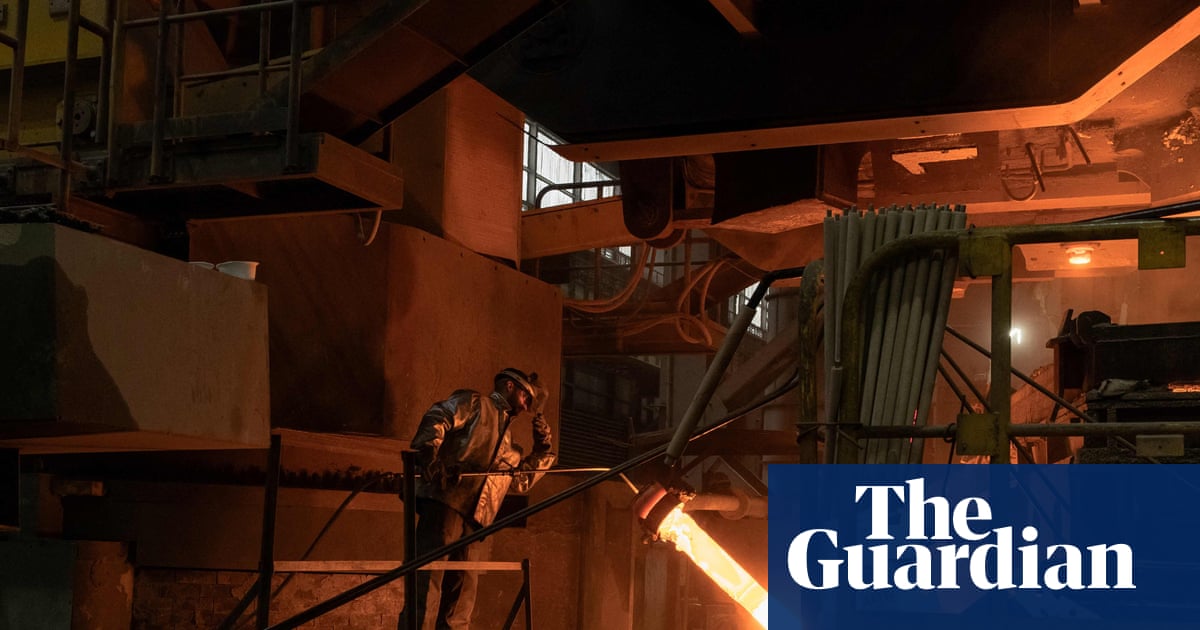
The operational status of Ukraine’s industrial sector has shifted dramatically with the announcement that ArcelorMittal, the world’s second-largest steel producer, has closed its largest plant in Kryvyi Rih. The multinational corporation informed Ukrainian authorities that continued operations were neither safe nor sustainable after a series of Russian airstrikes caused extensive damage to the facility. This decision follows four separate strikes on the site over a five-week period, incidents that resulted in the deaths of five workers. The shutdown represents a severe contraction for an industry that previously contributed fifteen percent of Ukraine’s total export revenue, highlighting the deepening economic strain imposed by sustained military pressure.
The closure underscores a broader pattern of Russian targeting that extends beyond traditional military objectives to encompass the infrastructure essential for daily civilian existence. President Volodymyr Zelenskyy stated that Moscow is systematically expanding its scope of attacks to include data centers, warehouses, and logistics networks. He cited recent drone strikes on a warehouse storing McDonald’s products as evidence that ordinary food supplies and commercial operations are now direct targets. According to the Ukrainian leader, these actions are designed to undermine the population’s ability to work, study, and maintain digital connectivity, effectively weaponizing the disruption of normal life.
In response to the escalating costs of defense and reconstruction, Kyiv is intensifying its requests for financial assistance from international partners. The government is seeking an additional twenty-seven billion dollars this year to cover budget deficits and military expenditures. Zelenskyy emphasized the urgency of securing funds to procure drones in October and November, warning that delays could leave Ukraine vulnerable at the start of the next calendar year. To accelerate liquidity, Ukrainian officials have asked the European Union to bring forward portions of a previously agreed-upon loan, arguing that the current pace of support does not match the rising demands of the conflict.
Diplomatic efforts are also focusing on leveraging third-party influence to constrain Russian aggression. Zelenskyy has urged former U.S. President Donald Trump to press Chinese leadership to use Beijing’s leverage over Moscow to end the war. While in the United States for the United Nations General Assembly, the Ukrainian president met with Trump and expressed hope that outcomes from discussions between Trump and Chinese President Xi Jinping would soon be known. NATO nations have characterized China as a decisive enabler of Russia’s invasion, suggesting that pressure on Beijing is critical to altering the trajectory of the conflict.
Despite these diplomatic maneuvers, Russian leadership continues to deny intentions to expand hostilities beyond Ukraine. Vladimir Putin asserted that Russia has no motive to escalate tensions with Europe and claimed the country is not preparing for any form of conflict with European nations. These comments came in response to warnings from several NATO members, including Denmark’s defense intelligence service, which noted a low but growing risk of long-range Russian strikes against alliance infrastructure supporting Ukraine. Putin criticized European countries for suggesting otherwise, maintaining that such fears are unfounded.
European officials are simultaneously addressing concerns about the durability of political support for Kyiv amid shifting electoral landscapes in key member states. Senior diplomats acknowledged that potential victories by parties skeptical of continued aid in France and Germany pose risks to long-term commitment. However, they insisted that backing for Ukraine would endure regardless of individual national shifts. Lithuanian Foreign Minister Kestutis Budrys argued that if some strong supporters step back, others will fill the gap because supporting Ukraine remains a strategic interest for the continent. Estonian Foreign Minister Margus Tsahkna added that immediate needs should not be overshadowed by election cycles.
In the United States, political opposition to engaging with Russian leadership remains firm among certain lawmakers. A bipartisan group of fourteen senators has written to Trump urging him to rescind an invitation for Putin to attend the G20 summit scheduled for December in Florida. The senators argued that allowing Putin to participate would legitimize a government responsible for ongoing attacks on Ukrainian civilians. Signatories included prominent figures from both major parties, reflecting a consensus among this group that normalizing relations with Moscow is incompatible with supporting Ukraine’s sovereignty.
The convergence of industrial losses, infrastructure targeting, and diplomatic maneuvering illustrates the multifaceted nature of the current phase of the war. As economic pillars like steel production falter under aerial bombardment, Kyiv faces the dual challenge of sustaining its defense capabilities while preserving the basic functions of civilian society. The reliance on external financing and third-party diplomacy highlights Ukraine’s vulnerability to global political dynamics, even as it seeks to maintain operational resilience against a determined adversary.
Sources behind this briefing
Go to the original reporting
- The Guardian US↗Ukraine war briefing: Russian attacks force closure of Ukraine’s largest steelmaker

