The short version
- The device features a significantly larger battery that supports up to three days of light usage, marking a major shift in endurance for the brand.
- A new variable aperture on the main camera allows for improved low-light performance and creative control over depth of field.
- Increased weight and screen size make one-handed operation difficult, raising questions about long-term comfort for users.
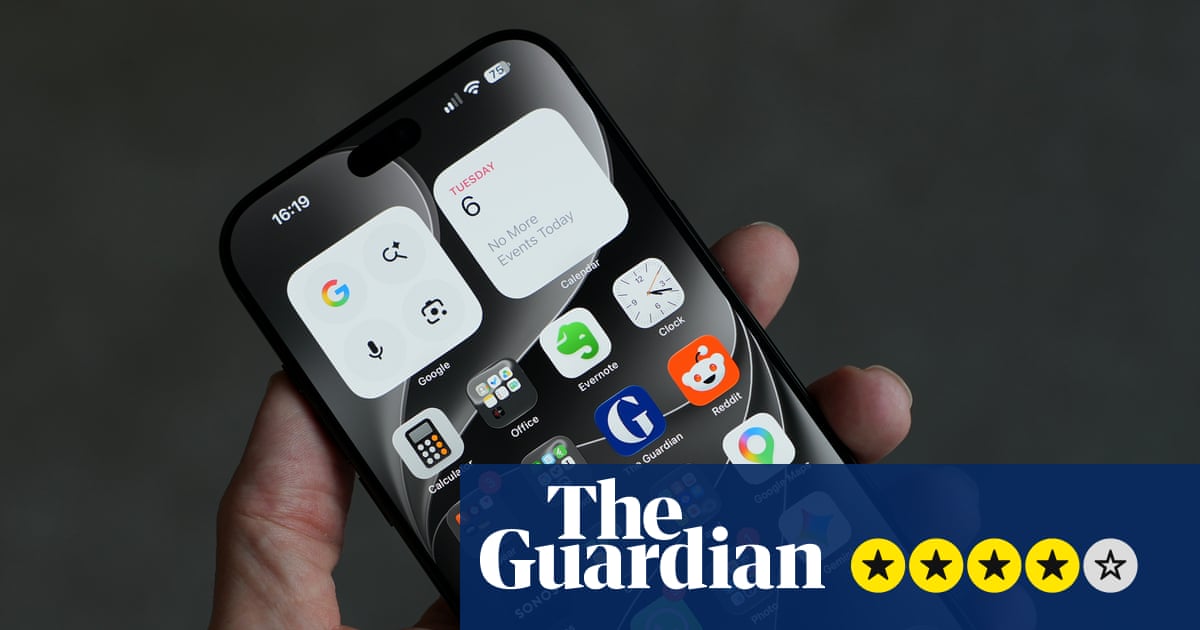
Apple has released its largest and most powerful slab smartphone to date, the iPhone 18 Pro Max, positioning it as a device that prioritizes raw performance and battery longevity above compact design. The phone enters a market segment where competitors like Samsung and Google are also pushing the boundaries of size and capability, but Apple’s latest effort distinguishes itself through a substantial increase in power capacity. This strategic shift aims to address long-standing consumer concerns regarding daily charging routines, offering a solution that extends usage well beyond a single day for most users.
The most notable change in this iteration is the battery performance. Testing indicates the device can last nearly three days under light usage conditions and approximately seven hours of active screen time involving apps, browsing, and media consumption. This represents an increase of roughly four hours compared to its predecessor and nearly a full day more than the standard iPhone 18 Pro. Even under heavy use scenarios, the phone retains about half its charge by the end of the day, suggesting that many owners will only need to plug in every second or third day. The battery is also designed for longevity, rated to maintain at least eighty percent of its original capacity after one thousand full charge cycles.
However, this endurance comes with physical trade-offs. The iPhone 18 Pro Max weighs two hundred forty-nine grams, making it significantly heavier than its smaller sibling and rival devices from other manufacturers. It is also heavier than many folding phones currently on the market. Reviewers noted that the weight can cause hand fatigue after extended periods of use, rendering the device effectively a two-handed tool. The six-point-nine-inch Super Retina XDR screen provides ample space for video and gaming, matching the real estate of some foldable devices, but the sheer bulk makes it challenging to fit comfortably in pockets or manipulate with one hand.
Under the hood, the phone utilizes the new A20 Pro chip, which ranks among the fastest processors available in mobile devices. This silicon is paired with a redesigned cooling system intended to sustain peak performance during intensive tasks such as long gaming sessions. The device runs iOS 27, which introduces refinements to the Liquid Glass interface and improves system responsiveness for app launches. The software update also enhances Apple’s artificial intelligence tools, particularly Siri, which now operates as a more capable chatbot able to understand context, view screen content, and suggest data from native apps like Messages and Mail.
The camera system remains a focal point of the upgrade, featuring three forty-eight-megapixel sensors on the rear and an eighteen-megapixel front-facing camera. A key innovation is the introduction of a variable aperture on the main lens. This mechanical adjustment allows the camera to open wider for better low-light capture or narrow down to preserve depth of field, offering photographers greater creative control. Additional features include AI-powered focus tracking, improved Photographic Styles, and an automatic cinematic mode for video recording. The system also supports optical zoom capabilities ranging from four to eight times, alongside a half-times ultra-wide option.
Despite its premium positioning, the iPhone 18 Pro Max is no longer Apple’s most expensive phone, having been surpassed by the newly introduced iPhone Duo, which carries a price tag of two thousand pounds. The Pro Max starts at one thousand two hundred ninety-nine pounds in the UK, with similar pricing structures in Europe and Australia. This places it in direct competition with other high-end flagships, such as the Google Pixel 11 Pro and the Samsung Galaxy S26 Ultra, which offer comparable features at slightly different price points. The cost reflects the advanced materials and technology packed into the device, including more than forty percent recycled content.
Repairability remains a mixed aspect of the design. Independent analysis by iFixit awarded the phone a score of seven out of ten, indicating moderate ease of repair. While the battery can be replaced for one hundred nineteen pounds, out-of-warranty screen repairs are significantly more expensive at three hundred eighty-nine pounds. Apple continues to offer trade-in and recycling programs for both its own products and those from competitors, emphasizing environmental impact in its reporting. The device maintains an IP68 water resistance rating, allowing it to withstand submersion up to six meters for thirty minutes.
The release of the iPhone 18 Pro Max signals a continued trend toward larger, more powerful devices that demand a compromise in portability. While the battery life and camera improvements address significant user pain points, the increased weight and size may deter those who prefer compact form factors. As Apple integrates more advanced AI features and hardware capabilities, the distinction between its standard and Pro models becomes less about basic functionality and more about endurance and professional-grade tools. Consumers must now weigh the benefits of extended battery life against the physical burden of carrying a heavier device.
Looking ahead, the success of this model will likely depend on how well users adapt to the new ergonomics and whether the battery improvements justify the premium price. The integration of Siri AI and other software enhancements suggests Apple is focusing on creating a more proactive and personalized user experience. However, the reliance on native apps for some AI features may limit its utility for users who prefer third-party services. As the market evolves, the iPhone 18 Pro Max sets a new benchmark for what consumers can expect from flagship smartphones in terms of power and longevity, even if it sacrifices some of the convenience associated with smaller devices.
Sources behind this briefing
Go to the original reporting
- The Guardian US↗iPhone 18 Pro Max review: Apple’s biggest, heaviest and longest-lasting superphone