The short version
- A federal appeals court declined to dismiss criminal charges against Rep. LaMonica McIver, ruling her conduct at an immigration facility did not qualify for legislative immunity.
- The decision allows two of three counts to proceed, including interfering with an arrest, while remanding a broader charge for additional fact-finding by the lower court.
- McIver maintains she was performing official duties and argues the prosecution is retaliatory, vowing to continue her legal fight despite the ruling.
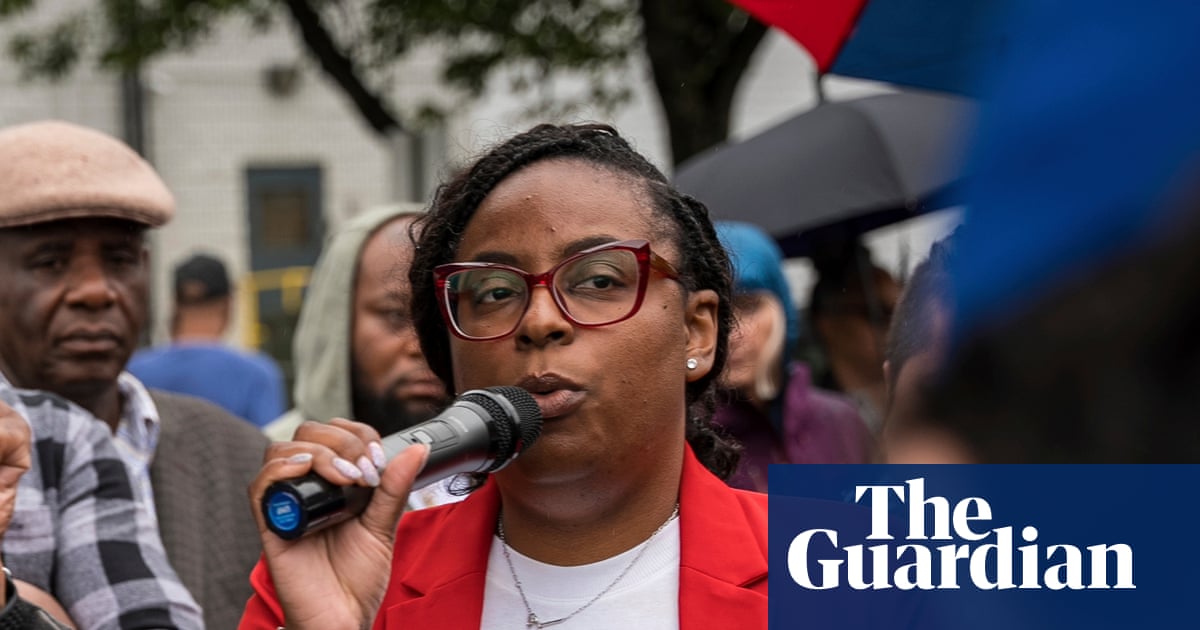
A federal appeals court has refused to dismiss criminal charges against a sitting member of Congress who visited an immigration detention facility as part of official oversight duties. The Third Circuit Court of Appeals issued a split decision that largely rejects the argument that LaMonica McIver, a Democrat from New Jersey, is immune from prosecution under the Constitution’s Speech and Debate Clause. This ruling marks a significant escalation in tensions between legislative oversight efforts and executive branch enforcement actions during the Trump administration.
McIver was charged following an incident in May 2025 outside Delaney Hall, an immigration detention center that has faced scrutiny over internal conditions. During the visit, which included other elected officials, Newark Mayor Ras Baraka was asked to leave because he is not a member of Congress and was subsequently arrested for trespassing. Although charges against the mayor were later dropped, McIver faces allegations of assaulting, impeding, and interfering with an arrest. The potential penalties for these charges include up to seventeen years in prison.
The appellate court’s 2-1 ruling determined that McIver’s actions during the confrontation were non-legislative in nature. Judge Cindy Chung wrote that one of the specific counts did not charge the congresswoman for a legislative act nor require her to answer for such an act. Consequently, the court allowed two of the three charges to proceed. However, it sent a third, broader count back to the lower court for additional fact-finding, indicating some ambiguity regarding the scope of the allegations.
McIver has pleaded not guilty and contends that she was selectively prosecuted by the Department of Justice to make an example of her. She is currently the only member of Congress indicted by the Trump administration’s justice department. Her legal team argues that allowing such prosecutions creates a dangerous precedent where executive agencies can obstruct congressional inspections, create chaotic situations, and then blame legislators for the resulting disorder.
The incident occurred during a period when the Trump administration had sought to limit congressional access to immigration facilities. McIver joined other officials in inspecting Delaney Hall, a task central to legislative oversight responsibilities. Charging documents allege that members of Congress surrounded Mayor Baraka to prevent his arrest and that McIver repeatedly shouted objections during the scuffle. Video analysis by The Washington Post noted that while McIver made contact with at least two agents, it remains difficult to determine the force or intent behind those interactions given the chaotic environment.
In response to the appeals court’s decision, McIver stated that she fundamentally believes the court erred in its interpretation of legislative immunity. She argued that elected representatives must be authorized to conduct oversight without fear of retaliation to effectively protect constituents. The congresswoman described the ruling as chilling for democratic accountability and emboldening for administration officials who pursue those seeking to hold them accountable.
Paul Fishman, McIver’s attorney, emphasized the broader implications of the case beyond the individual charges. He warned that if departments like Justice and Homeland Security can thwart inspections and then prosecute participating lawmakers, it undermines the system of checks and balances. The legal team is exploring every possible option to challenge the ruling, signaling that the dispute is likely to continue through further judicial proceedings.
McIver, who is expecting her second child this fall, vowed not to fold under pressure from the administration. She framed the prosecution as an attack on vulnerable communities and those who defend them. The case highlights ongoing conflicts between legislative oversight mechanisms and executive enforcement priorities, particularly regarding immigration policy and detention conditions. As the lower court prepares for further fact-finding on the remanded count, the legal battle sets a potential precedent for future congressional investigations.
The outcome of this case could influence how members of Congress approach future oversight visits to sensitive facilities. If immunity is narrowly construed, legislators may face greater personal risk when attempting to inspect executive branch operations. Conversely, if broader protections are eventually recognized, it could reinforce the authority of Congress to monitor government activities without fear of criminal prosecution. The situation remains fluid as legal arguments continue to unfold.
Observers note that the split decision in the appeals court suggests significant disagreement among judges regarding the boundaries of legislative immunity in physical confrontations. While the majority focused on the non-legislative nature of the specific acts, the dissenting opinion likely raised concerns about chilling effects on oversight. The case underscores the complex interplay between constitutional protections and criminal law when political figures are involved in volatile situations.
Sources behind this briefing
Go to the original reporting
- The Guardian US↗Federal appeals court declines to dismiss criminal charges against US congresswoman

