The short version
- Rising xenophobic violence has forced tens of thousands of migrants to leave South Africa, causing significant diplomatic friction with countries like Nigeria and Ghana.
- Even documented residents report facing harassment and threats, challenging government claims that protests target only undocumented individuals.
- High unemployment rates fuel public anger, while viral videos of attacks have severely damaged the nation's international reputation.
A wave of anti-migrant unrest in South Africa has escalated into a serious diplomatic crisis, prompting tens of thousands of foreign nationals to flee the country over the past two months. The exodus has strained relations between Pretoria and several African nations, particularly Nigeria and Ghana, as governments grapple with the safety of their citizens abroad. What began as localized tensions has morphed into a broader humanitarian and political challenge, forcing many long-term residents to abandon homes, businesses, and families in search of security.
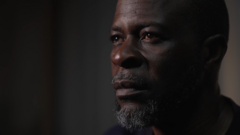
Richard Itoro, a Nigerian businessman who had lived in Johannesburg for fifteen years, represents the personal toll of this instability. In June, fearing for his life as protests intensified, he boarded a voluntary repatriation flight back to Nigeria. The decision required him to leave behind his South African wife and twin children, a separation that may be permanent given current restrictions. Itoro had built a successful car dealership and established a stable family life, but the atmosphere of intimidation made staying untenable. He described the departure as feeling like escaping a besieged city, noting that despite his legal status, he faced direct threats from neighbors who targeted his mixed-race family.
The narrative that the unrest is solely directed at undocumented immigrants has been challenged by multiple accounts and official statements. Itoro presented documentation proving his right to remain in South Africa, yet he still faced harassment. Nigerian officials have corroborated these experiences, with Minister of State for Foreign Affairs Sola Enikanolaiye noting during recent talks with South African counterparts that citizens with valid papers were also attacked. This discrepancy between the stated goals of protest groups and the reality on the ground has fueled anger among foreign governments, who argue that their nationals are being unfairly scapegoated regardless of their legal standing.
Visual evidence circulating on social media has played a significant role in amplifying international concern. While some videos were found to be misleading or fabricated, others depicted genuine acts of aggression against foreigners. One widely shared clip from April showed Ghanaian hairstylist Emmanuel Asamoah being confronted by a group in Soweto. The footage captured individuals demanding he leave the country, accusing migrants of stealing jobs and relationships. Although not all viral content was verified, the authentic videos sparked widespread alarm and contributed to a rapid deterioration in South Africa’s image as a welcoming host for African migrants.
Economic frustration appears to be a primary driver of the hostility. South Africa is grappling with an unemployment rate exceeding thirty percent, a statistic that protest leaders and politicians frequently cite to justify their actions. Gayton McKenzie, the Culture Minister and leader of a coalition party, emphasized that the protests are aimed at those without proper documentation but also highlighted the economic strain on local communities. He argued that citizens cannot tolerate seeing foreigners employed while locals remain jobless, framing the unrest as a response to perceived economic injustice rather than purely racial animus.
The situation has been further inflamed by recent violent incidents, including the death of a Nigerian man during a police arrest related to suspected drug offenses. An independent body is currently investigating this case, which occurred amidst heightened tensions. South African Foreign Minister Ronald Lamola acknowledged the need to address those who take the law into their own hands but reiterated President Cyril Ramaphosa’s firm stance on enforcing immigration laws. This dual approach of condemning vigilante violence while asserting sovereign rights to control borders has done little to calm fears among migrant communities.
Diplomatic efforts to resolve the crisis have faced significant hurdles. Nigerian authorities refused to allow Itoro’s wife and children to accompany him on the repatriation flight, citing procedural or safety concerns that left the family separated. This bureaucratic rigidity added to the trauma of departure, leaving Itoro uncertain when he will see his children again. The inability of embassies to facilitate safe passage for entire families has become a recurring theme, highlighting the logistical and political complexities involved in managing mass departures during periods of civil unrest.
Looking ahead, the long-term impact on South Africa’s regional relationships remains unclear. The damage to its reputation is substantial, with many Africans now viewing the country as unsafe for migrants. While the government maintains that it supports legitimate migration, the gap between policy and practice continues to widen. Unless concrete measures are taken to protect documented residents and address the underlying economic grievances, the current diplomatic rift may deepen, potentially leading to more restrictive visa policies or reduced cooperation on continental initiatives.
Sources behind this briefing
Go to the original reporting
- BBC News↗I left my wife and twins behind - why this Nigerian man fled South Africa

