The short version
- Gary Anderson died at age 79 after suffering a cardiac arrest during a tour stop in Germany with his band Rose Tattoo.
- Anderson was a central figure in the Australian hard rock scene, known for his intense stage presence and leadership of Rose Tattoo to international chart success.
- Beyond music, he became a recognized youth advocate and received an Order of Australia for his contributions to society and culture.
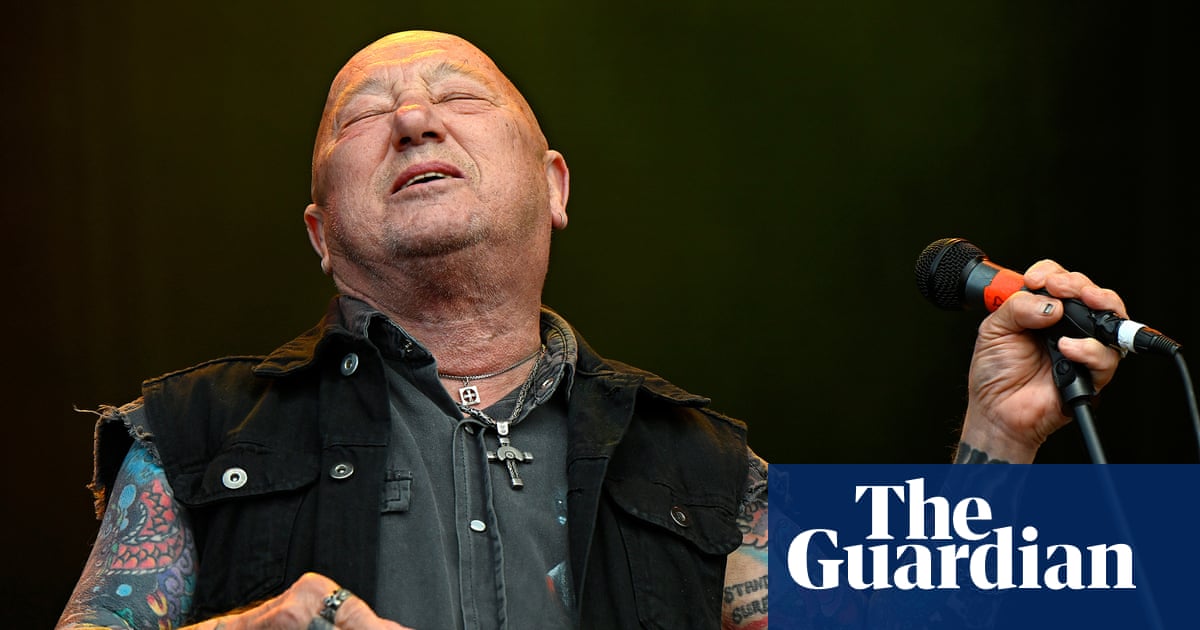
Gary Anderson, widely known by his stage name Angry Anderson, has died at the age of 79. The musician passed away after being hospitalized in Germany following a cardiac arrest while on tour with his long-time band, Rose Tattoo. His death marks the end of a career that spanned decades and evolved from aggressive rock performance to respected community advocacy.
Anderson’s early life in Melbourne was marked by a desire to prove his toughness despite his small stature. As a founding member of the Vigilanties motorcycle club, he initially earned the nickname Mouse but later adopted the moniker Angry Ant after engaging in physical confrontations with larger opponents. This persona eventually shortened to Angry, a brand that suited his ferocious approach to rock and roll and his role as a rabble-rouser.
Before forming Rose Tattoo, Anderson fronted Buster Brown, a band that included future AC/DC drummer Phil Rudd. They released an album for Mushroom Records in 1974, building a following among Melbourne’s youth subculture. However, it was the formation of Rose Tattoo in Sydney in 1976 that defined his musical legacy. The band’s sound, characterized by slide guitarist Peter Wells’ aggressive style and Anderson’s powerful vocals, rejected blues niceties in favor of raw intensity.
The group’s debut self-titled album, released in 1978, became a cornerstone of the Australian hard rock genre. Produced by Harry Vanda and George Young, it featured hits like Bad Boy for Love and Rock ’n’ Roll Outlaw. Despite their critical acclaim and influence, the band faced resistance from mainstream Australian media. They were temporarily banned from the television show Countdown after Anderson shared a kiss with guitarist Mick Cocks on air, and radio stations largely ignored their music.
International markets responded differently to Rose Tattoo’s aggressive style. In 1981, both their debut album and its follow-up, Assault and Battery, reached number one on the British heavy metal charts. Anderson’s live performances in the UK were noted for their physicality, including an incident at the Reading festival where he head-butted amplifier stacks until bleeding. This overseas success helped establish the band as conquering heroes upon their return to Australia.
Anderson’s career took an unexpected turn toward social advocacy and mainstream visibility in the late 1980s. He appeared in films such as Mad Max Beyond Thunderdome and became a regular guest on television programs like A Current Affair. His solo single Suddenly, a power ballad used in the popular soap opera Neighbours, reached number two on national charts. This period saw him headline major events, including the 1991 AFL grand final halftime show.
The cultural impact of Anderson and Rose Tattoo extended well beyond their commercial peak. Guns N’ Roses recruited them as support acts for their 1993 Use Your Illusion tour, acknowledging their influence on the hard rock genre. Anderson was awarded an Order of Australia in the same year, recognizing his contributions to music and society. In 2006, Rose Tattoo was inducted into the ARIA Hall of Fame.
Anderson’s legacy continues to influence contemporary Australian music. Bands ranging from punk groups to modern rock acts have cited Rose Tattoo as a key inspiration. His ability to transition from a controversial rock figure to a respected youth advocate demonstrated a versatility that few artists achieve. The music industry mourns the loss of a defining voice in Australian rock history.
Rose Tattoo’s imprint on the national cultural landscape remains evident in the lineage of subsequent hard rock and punk bands. Artists such as Amyl and the Sniffers have acknowledged their debt to Anderson’s pioneering work. His career serves as a testament to the power of authentic artistic expression and the potential for public figures to engage meaningfully with social issues.
The announcement of his death has prompted reflections on his dual identity as both a fierce performer and a compassionate advocate. Friends and colleagues have highlighted his dedication to supporting young people and his unwavering commitment to his craft. Anderson’s journey from a rebellious youth in Melbourne to an international rock star and community leader offers a complex narrative of personal transformation and artistic integrity.
Sources behind this briefing
Go to the original reporting
- The Guardian World↗Angry Anderson dies aged 79: Rose Tattoo frontman was a ferocious rock ’n’ roll singer and youth advocate

