The short version
- Amy Acton becomes the first woman to serve as governor of Ohio, defeating Republican Vivek Ramaswamy.
- The race concluded a sixteen-year period of Republican control of the executive branch in the state.
- Acton must now navigate governance with a Republican-controlled legislature amid significant policy disagreements.
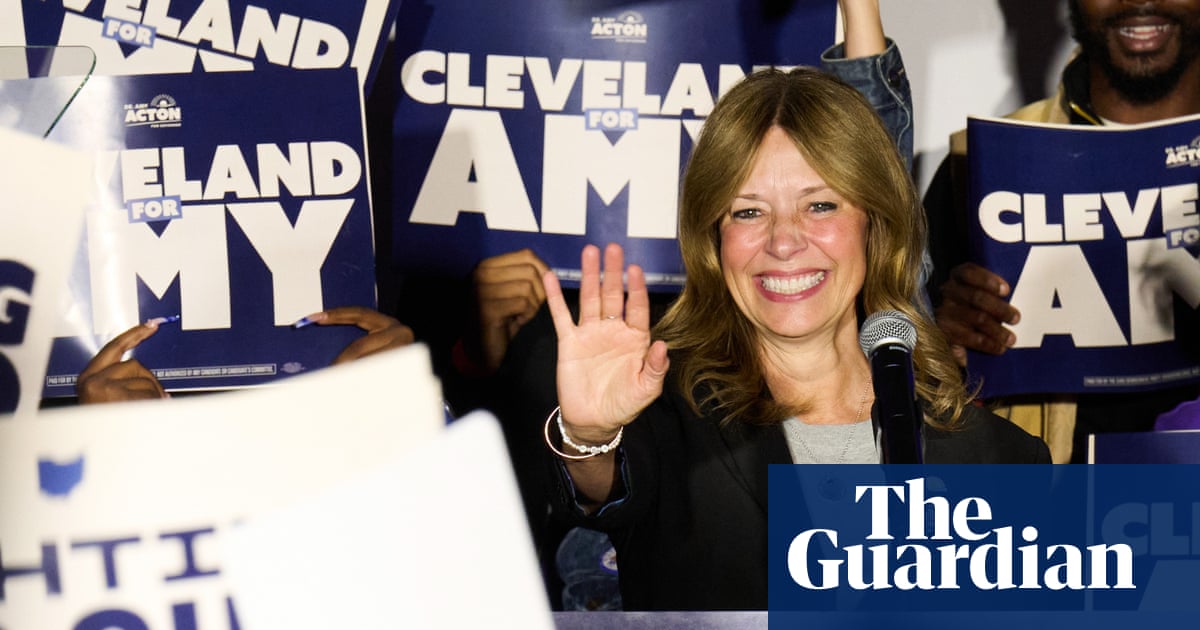
Amy Acton has been elected governor of Ohio, marking a significant shift in the state’s political landscape. The sixty-year-old physician and former health department official defeated Vivek Ramaswamy, a biotech entrepreneur who received the endorsement of President Donald Trump. This victory ends sixteen years of Republican control over the governor’s office, with Acton becoming the first Democrat to hold the position since Ted Strickland left office in 2006. She also makes history as the first woman to serve as governor of Ohio.
The election result is particularly notable given Ohio’s recent voting patterns. The state backed Donald Trump by an eleven-point margin in the 2024 presidential race and has consistently supported Republican candidates in high-profile contests. Acton’s win suggests a potential realignment or at least a significant opening for Democratic candidates in traditionally conservative strongholds. Her success comes despite early polling that showed her trailing by double digits, with many voters initially unfamiliar with her candidacy.
The campaign was characterized by intense spending and aggressive tactics from both sides. Ramaswamy’s campaign outspent Acton significantly, pouring more than one hundred million dollars into advertisements during the final months of the race. These ads frequently targeted Acton’s role in managing the state’s response to the early stages of the pandemic. In contrast, Acton positioned herself as a pragmatic leader who had previously served in a Republican administration under Governor Mike DeWine. She focused her message on reducing costs for families and improving access to healthcare.
Policy differences between the two candidates were stark. Ramaswamy promised to eliminate state income taxes within a decade, reduce energy bills, and restore law and order in urban areas. He framed his platform around reviving economic opportunity and traditional values. Acton, meanwhile, advocated for an earned income tax credit, a child tax credit of up to one thousand dollars, and property tax relief for seniors and middle-income homeowners. She also proposed creating a public prescription drug platform to lower medication costs.
The final weeks of the campaign were marked by controversy surrounding an attack ad released by Ramaswamy’s team. The advertisement featured Acton’s estranged mother calling her a liar, referencing past family legal issues involving custody and allegations of abuse by Acton’s stepfather. The spot drew widespread criticism from politicians across the political spectrum, who urged Ramaswamy to remove it and apologize. Despite support for the ad from Trump and Vice President JD Vance, the campaign eventually discontinued it after spending approximately four million dollars on its airtime.
Acton’s path to victory was not straightforward. Early in the race, Democrats considered recruiting more prominent figures, such as former Senator Sherrod Brown or former Congressman Tim Ryan, to challenge Ramaswamy. However, Acton remained in the contest and gradually gained traction. Polling data showed a steady shift in her favor throughout the fall, with multiple surveys in October indicating she had taken the lead. This momentum carried through to Election Day, where she secured enough votes to overcome the financial disadvantage and negative advertising barrage.
Governor-elect Acton faces immediate challenges upon taking office. She will govern alongside a Republican-controlled legislature, which is likely to create friction over key policy issues. Potential areas of conflict include tax reform, school funding, and regulations surrounding data centers. The ideological divide between the executive branch and the legislative body could lead to gridlock or intense negotiations on budgetary matters. Acton’s ability to deliver on her campaign promises will depend largely on her capacity to build coalitions across party lines.
The outcome of this race has broader implications for national politics. It demonstrates that Democratic candidates can win in states that have reliably voted Republican in recent years, provided they can connect with voters on practical issues like cost of living and healthcare. Acton’s background as a public health official may also influence her approach to governance, particularly in areas related to emergency preparedness and social services. As she prepares to take the oath of office, all eyes will be on how she navigates the complex political environment in Columbus.
Looking ahead, the new administration will need to address pressing economic concerns while managing relationships with federal partners and state legislators. The transition period will likely involve detailed discussions about budget priorities and regulatory changes. Acton’s team has emphasized a focus on pragmatic solutions rather than ideological battles, a strategy that may help her maintain support among moderate voters. The coming months will reveal whether this approach can sustain momentum in a politically divided state.
This election underscores the evolving nature of American politics, where traditional party alignments are being tested by voter preferences for competence and fiscal responsibility. Acton’s victory is a testament to her ability to connect with Ohioans on issues that matter most to their daily lives. As she assumes leadership of the state, the challenge will be to translate campaign rhetoric into tangible results while navigating the inevitable opposition from Republican lawmakers.
Sources behind this briefing
Go to the original reporting
- The Guardian US↗Amy Acton wins Ohio race for governor, ending 16 years of Republican control of office
- NPR↗Ohio elects Amy Acton first woman governor


