The short version
- Deforestation in the Brazilian Amazon has dropped to its lowest level since records began in 1988, falling by nearly 42 percent over the past year.
- The incumbent president’s environmental gains stand in stark contrast to the policies of his opponent, who represents a political faction linked to increased forest destruction during the previous administration.
- The upcoming run-off election will determine whether Brazil maintains its current conservation trajectory or shifts toward greater resource exploitation and closer economic ties with the United States.
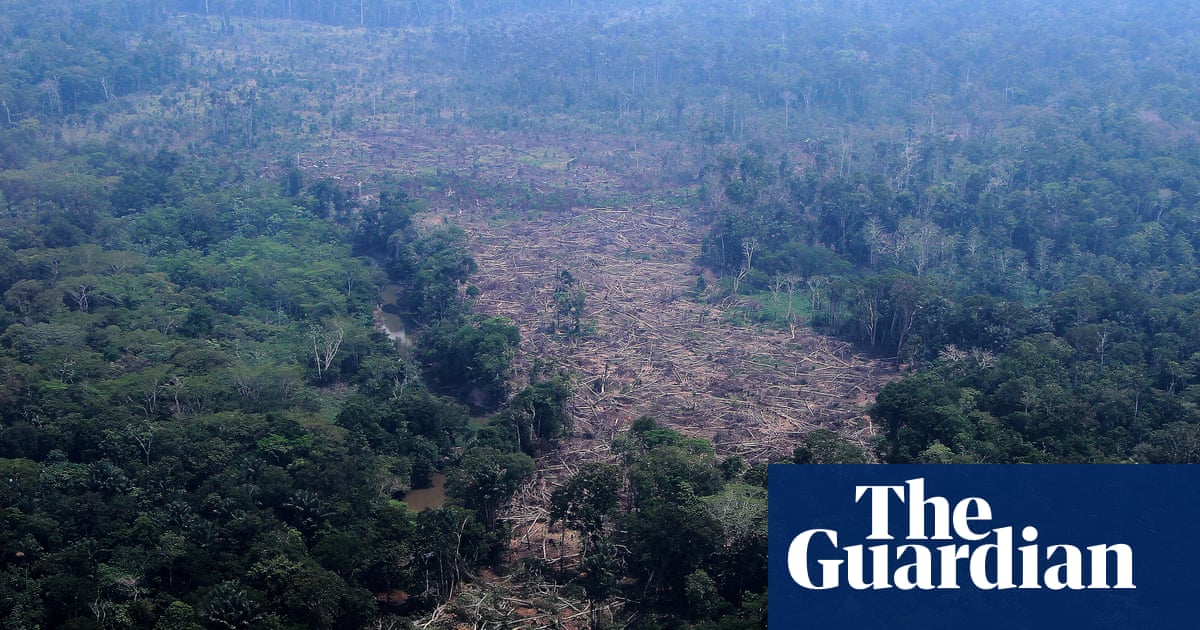
New government data indicates that deforestation in the Brazilian Amazon has reached its lowest recorded level since monitoring began in 1988. This significant environmental shift occurs just days before a pivotal presidential run-off election on October 25, which will determine the future direction of rainforest policy and Brazil’s international relations. The results highlight a sharp divergence between the current administration’s enforcement strategies and the platform of the opposing candidate.
According to the Prodes satellite data series, widely regarded as the most accurate measure of forest clearance, annual deforestation fell by 41.8 percent over the past year. The total area cleared amounted to 3,335 square kilometers, surpassing the previous record low by an area equivalent to the size of Rio de Janeiro. Since President Luiz Inácio Lula da Silva took office in 2022, the rate of forest loss has slowed by more than 71 percent, a trend attributed to strengthened enforcement measures and increased state investment in environmental agencies.
The geographic distribution of remaining deforestation shows that while Pará, Mato Grosso, and Amazonas still account for the majority of forest loss, figures in these states have dropped by more than 45 percent compared to the previous year. Only Roraima, a region known for its political support of the Bolsonaro family, saw a slight increase in deforestation. Outside the Amazon basin, the Cerrado savanna also recorded its lowest annual deforestation since 2001, marking a significant shift in an area previously treated as a zone for agricultural expansion.
These environmental improvements contrast sharply with the period from 2019 to 2023, when deforestation increased by nearly 60 percent under former President Jair Bolsonaro. That administration was characterized by reduced penalties for environmental crimes and cuts to forest protection agencies. The current incumbent, despite leading in environmental metrics, trails in the first round of voting against Flávio Bolsonaro, the son of the former president. The younger Bolsonaro has vowed to release his father from prison and restore him to a government position.
The political divide is evident in electoral maps across the Amazon region. Support for the incumbent is stronger in urban centers and areas with intact vegetation, while the opposition candidate secures more votes near degraded forests, mines, and agricultural monocultures. Flávio Bolsonaro has continued his father’s strategy of courting support from landowners and extractive industries, largely ignoring climate concerns in his campaign manifesto. Former Environment Minister Marina Silva has warned that the opposition aims to complete a project aimed at dismantling environmental protections.
International relations also hang in the balance, particularly regarding ties with the United States under Donald Trump. President Lula has framed the Amazon as a sovereign asset essential for global climate stability and Indigenous rights, criticizing attempts by foreign powers to exploit Brazilian resources. In contrast, the Bolsonaro family maintains close connections with U.S. political figures. Flávio’s brother has called for punitive tariffs on Brazil, while Jair Bolsonaro has publicly aligned himself with American interests.
If the opposition secures power, analysts expect a shift in Brazil’s trade priorities, particularly concerning critical minerals. The current administration balances relations with China and Europe, whereas the Bolsonaro faction is expected to pivot toward the United States. This potential realignment could influence how natural resources are managed and sold, potentially prioritizing immediate economic gains over long-term environmental sustainability.
Conservation groups view the new data as proof that halting forest destruction is achievable but fragile. Marcio Astrini of the Climate Observatory noted that the election result will decide whether Brazil moves toward ending deforestation or accelerating it. The stakes extend beyond national borders, affecting global climate efforts and the livelihoods of Indigenous communities who depend on the rainforest’s integrity.
As the run-off approaches, the contrast between the two candidates’ visions for the Amazon remains stark. One path emphasizes enforcement, poverty reduction, and environmental stewardship, while the other focuses on resource extraction and deregulation. The outcome will likely determine not only the fate of the rainforest but also Brazil’s role in global climate negotiations and its economic partnerships with major world powers.
The coming days will test whether the recent environmental progress can be sustained or if it will be reversed by a change in leadership. With deforestation at historic lows, the election serves as a critical juncture for both domestic policy and international environmental cooperation. The decisions made in this vote could have lasting implications for biodiversity, climate stability, and the rights of those who live within the Amazon basin.
Sources behind this briefing
Go to the original reporting
- The Guardian World↗Brazilian Amazon deforestation falls to lowest on record as pivotal vote looms