The short version
- The Anglian Combination League has postponed the start of its 2026-27 season until August 29 due to unsafe playing conditions caused by severe drought.
- League officials cited rock-hard pitches and a high risk of injury as primary reasons for the delay, noting that pre-season friendlies have already resulted in numerous injuries.
- The decision coincides with broader environmental challenges in England, including hosepipe bans and forecasts of continued extreme heat without significant rainfall.
The Anglian Combination League, comprising eighty-five amateur teams across Norfolk and Suffolk, has officially delayed the commencement of its 2026-27 season. Originally scheduled to begin in early August, kick-off dates have been pushed back to August 29 following an urgent board meeting. The league’s leadership determined that current ground conditions pose a significant safety risk to participants, necessitating a pause in competitive play until the weather improves or grounds can be adequately prepared.
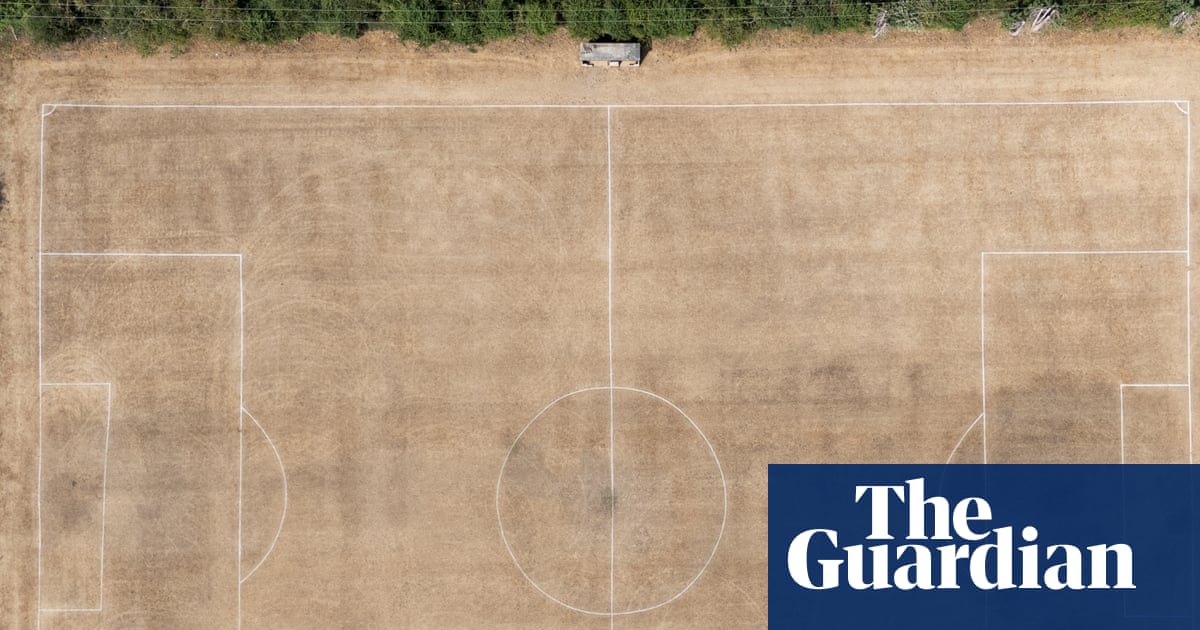
The primary driver for this postponement is the severe drought affecting the region, which has left most club pitches extremely dry and hardened to a degree that resembles concrete. League chair Dale Brown stated that the decision was unanimous and aimed at protecting the welfare of players, officials, and match-day staff. The board emphasized that the current state of the grass surfaces makes them too dangerous for standard football activities, with the risk of injury deemed unacceptably high under present conditions.
Reports indicate that several pre-season friendly matches have already been cancelled due to these environmental factors. For those games that did proceed, officials noted a troubling number of injuries linked to the poor quality of the playing surfaces. The league acknowledged that this delay would not be popular with all clubs, recognizing the logistical and competitive disruptions it causes. However, the priority remains on ensuring that athletes are not exposed to hazardous terrain during organized sports events.
This local decision reflects a broader pattern of extreme weather impacting daily life and infrastructure in England and Wales. July was recorded as the driest month since records began in 1836, contributing to a landscape visibly parched by record-breaking heat waves. Aerial imagery has revealed parks and sports fields stripped of greenery, highlighting the severity of the water shortage. While some institutions such as golf clubs and private schools have maintained green spaces due to exemptions from hosepipe bans, most amateur facilities lack such privileges and are directly affected by the lack of moisture.
Water restrictions have been in place for much of the region since mid-July, with Anglian Water imposing hosepipe bans across Norfolk and Suffolk. These measures were implemented after a drought was declared in half of England last month, signaling the widespread nature of the crisis. The inability to water pitches effectively has compounded the problem, leaving grass fields unable to recover from the intense heat and lack of precipitation. This situation underscores the vulnerability of outdoor recreational spaces to climate variability.
Looking ahead, meteorological forecasts suggest that conditions may not improve immediately. The Met Office predicts another heatwave for the coming week, with temperatures expected to reach 36 degrees Celsius in parts of East Anglia and south-east England by Thursday. While humidity levels are anticipated to rise, there is no indication of substantial rainfall that could alleviate the drought or soften the ground. This outlook adds uncertainty to whether the August 29 start date will be feasible or if further delays might be necessary.
The Football Association has not released specific data on how many other leagues have faced similar postponements due to drought conditions. It maintains that such decisions are the responsibility of individual leagues and county football associations, rather than a centralized directive. This decentralized approach means that impacts vary significantly across different regions and levels of play, with some areas potentially facing more severe disruptions than others depending on local weather patterns and resource availability.
The postponement serves as a tangible example of how extreme weather events are beginning to disrupt traditional sporting calendars. As temperatures continue to break records and rainfall remains scarce, the physical infrastructure supporting amateur sports is under increasing strain. The league’s decision highlights the growing intersection between climate change and community activities, forcing organizations to adapt quickly to protect participant safety while managing the expectations of teams and fans alike.
Sources behind this briefing
Go to the original reporting
- The Guardian World↗Scratch of the day: local football season postponed due to ‘rock hard’ pitches

