The short version
- Unofficial counts indicate 76 percent of voters supported staying in Canada, with only 24 percent backing a process toward independence.
- Federal and provincial leaders hailed the result as a mandate for unity and economic diversification, though separatists argue significant dissent remains.
- The vote was one of ten questions on the ballot, with full results expected to take days to finalize due to logistical delays at polling stations.
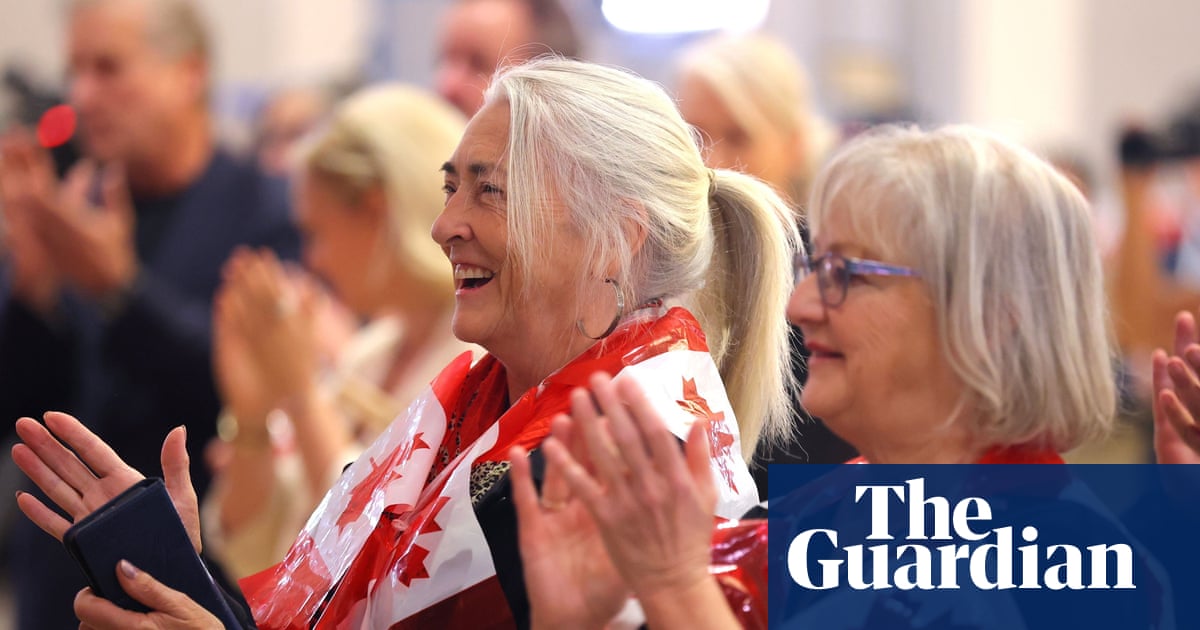
Voters in Canada’s Alberta province have decisively rejected a proposal to initiate a legal process toward independence, according to early referendum results released Tuesday. With more than 1.5 million ballots counted, unofficial data from Elections Alberta shows that approximately 76 percent of participants favored remaining within the Canadian federation. Conversely, close to 24 percent supported beginning steps that could eventually lead to separation. The outcome represents a significant political victory for Prime Minister Mark Carney and advocates of national cohesion, who had campaigned vigorously against what they described as a dangerous bluff.
Prime Minister Carney, who has roots in Edmonton, characterized the decision as a clear choice for unity and mutual support among Albertans. He stated that the result would enable the country to move forward collectively, accelerating efforts to diversify trade relationships and develop major infrastructure projects. Carney emphasized that Alberta remains central to Canada’s ambition to become a global energy powerhouse. The federal government had warned that pursuing separation would create years of deep uncertainty and lost economic opportunities for residents in the oil-rich province.
Provincial Premier Danielle Smith also welcomed the preliminary findings, noting they demonstrated widespread support for a stronger Alberta within a united Canada. Smith has faced political pressure from separatist factions within her United Conservative party, which helped oust her predecessor Jason Kenney. In recent months, she attempted to balance the demands of both separatists and federalists, recognizing that a majority of the province is not interested in secession. The referendum had become a liability for her party, coinciding with a decline in popular support and the loss of a traditional conservative stronghold in a recent byelection.
Despite the decisive margin, leaders of the separatist movement refused to concede defeat entirely. Keith Wilson, a prominent figure in the independence campaign, suggested that the numbers might fluctuate as final results are tallied. He argued that at least a quarter of Albertans feel their province is not being treated fairly by the federal government. Separatists expressed frustration that the ballot question did not explicitly ask for immediate independence but rather authorized a process that could lead to a second vote. They view the movement as a long-term project rather than a single electoral event.
The referendum was part of a broader slate of ten questions presented to Albertans, covering topics such as immigration, healthcare, education, and the province’s constitutional powers. Logistical challenges impacted the counting process, with delays at roughly 100 of the 1,400 polling stations pushing result releases back by more than two hours. Elections Alberta indicated that finalizing the counts for all questions could take several days. Advance voting and mail-in ballots accounted for approximately 43 percent of eligible voters, or 1.3 million Albertans, suggesting a turnout potentially higher than the province’s last referendum in 2021.
Political figures across the spectrum urged restraint and unity in the days leading up to the vote. Conservative Leader Pierre Poilievre, whose parliamentary seat is located in Alberta, addressed supporters by asserting that Albertans are not quitters. He emphasized that Canada represents more than just a government, describing it as a shared people, history, and promise. Meanwhile, Calgary Mayor Jeromy Farkas, a staunch opponent of the independence movement, argued that the city’s best future lies within the Canadian framework. He warned that uncertainty could trigger capital flight and stressed his commitment to making the case for a strong joint future.
The ballot question exposed persistent divisions in Alberta’s political landscape, raising questions about the durability of national unity despite the current result. While federalists celebrate the outcome as a mandate to focus on economic development and infrastructure, separatists maintain that their grievances regarding federal-provincial relations remain unaddressed. The vote was not explicitly about immediate independence, a nuance that frustrated some campaigners but allowed others to frame it as a test of loyalty rather than a transactional demand.
Looking ahead, the government plans to leverage the result to accelerate trade diversification and energy sector investments. However, the separatist movement has signaled it will continue its push for greater autonomy or independence in the long term. The referendum highlights the complex dynamics within Alberta, where economic reliance on oil and historical tensions with Ottawa have fueled periodic calls for separation. While the immediate threat of a breakup process has receded, the underlying political fault lines remain visible.
The final certification of results will provide a more complete picture of voter sentiment across all ten questions. Until then, officials and analysts are monitoring the implications of the high turnout and the specific margins in key ridings. The event underscores the ongoing negotiation between provincial autonomy and federal authority in Canada, with Alberta’s role as an energy hub continuing to shape national policy debates. The rejection of separation provides a temporary reprieve for unity advocates but does not eliminate the structural issues that drove the referendum.
As the counting process concludes, attention will shift to how the government addresses the concerns raised by the 24 percent who voted for separation. Whether through policy adjustments or continued dialogue, the challenge remains to integrate Alberta’s interests into a broader national strategy without reigniting separatist fervor. The result serves as a reminder that Canadian unity is not static but requires continuous engagement and compromise between federal and provincial leaders.
Sources behind this briefing
Go to the original reporting
- The Guardian US↗Alberta voters reject plan for referendum to leave Canada
- NPR↗Alberta voters reject a move toward independence in referendum backing Canadian unity