The short version
- Anthony Albanese addressed the UN General Assembly, emphasizing the urgent need for global cooperation to mitigate climate risks.
- Australia has committed significant funding to Pacific resilience efforts and leads in residential battery adoption.
- Critics note a contradiction between emission reduction goals and the country’s continued expansion of liquefied natural gas exports.
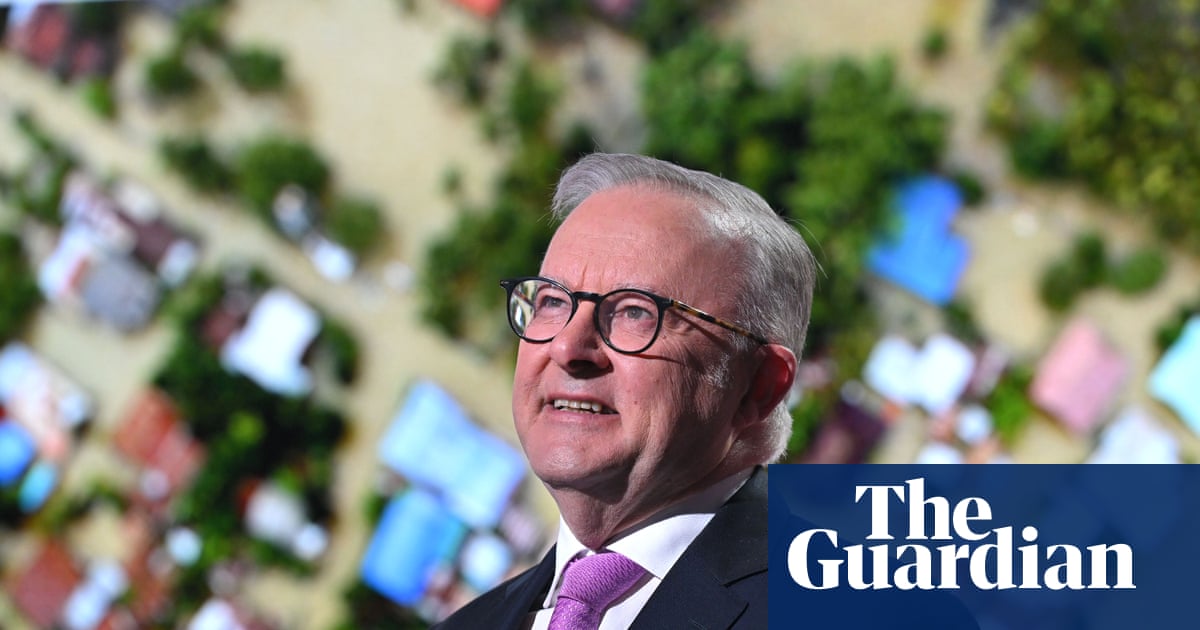
Prime Minister Anthony Albanese delivered a keynote address at the United Nations General Assembly in New York, framing climate change as an immediate threat that demands decisive political leadership. Speaking during Climate Week, he argued that the era of hesitation is over and that nations must confront the escalating costs of environmental inaction. His remarks came as global leaders gathered to assess progress on international climate commitments, with Australia positioning itself as a nation deeply aware of the physical realities of global heating.
Albanese pointed to Australia’s recent history of severe weather events, including devastating bushfires and widespread flooding, as evidence that the impacts of climate breakdown are no longer theoretical. He suggested that ordinary citizens have already demonstrated resilience in the face of these disasters, and now it is incumbent upon elected officials to match that courage with robust policy measures. The prime minister called for a unified global approach, stating that the responsibility to act is shared and unavoidable.
Central to his argument was Australia’s domestic climate strategy, which aims to reduce national emissions by 62 to 70 percent below 2005 levels by 2035. Albanese described this target as both ambitious and attainable, relying on a hybrid energy model that combines renewable power sources with natural gas. He highlighted the rapid adoption of home battery systems in Australia, noting that tens of thousands are installed weekly, contributing to a total of over half a million units in the past year. This infrastructure, he argued, supports grid stability and facilitates the integration of renewable energy.
Beyond domestic policy, Albanese emphasized Australia’s role in supporting regional partners, particularly nations in the Pacific. He referenced the Pacific Resilience Facility, a climate financing mechanism established by Pacific island nations, to which Australia has contributed 100 million Australian dollars. An additional 350 million Australian dollars has been allocated for climate-resilient infrastructure in the region. The prime minister framed these contributions as a commitment to ensuring that Pacific neighbors do not face the climate crisis in isolation, citing specific projects such as a large-scale solar and battery installation in Palau.
The address also touched on international cooperation in disaster response, with Albanese praising Australian firefighters who have assisted in emergencies abroad, including in the United States, Canada, and France. He characterized these efforts as part of an international brotherhood of bravery, suggesting that practical assistance complements diplomatic and financial commitments. This narrative of active participation aims to bolster Australia’s standing as a responsible actor in global climate governance.
However, the prime minister’s vision for a cleaner future stands in contrast to Australia’s ongoing role as a major exporter of fossil fuels. While domestic demand for natural gas has declined, the country continues to expand its exports of liquefied natural gas, with shipments increasing over the past year. Critics argue that this reliance on gas undermines the credibility of emission reduction targets, as the combustion of exported gas contributes significantly to global greenhouse gas levels.
Albanese defended the inclusion of gas in the energy mix, describing it as a necessary firming source for renewable energy until other technologies mature. He asserted that Australia’s abundant renewable potential, supported by gas infrastructure, would enable the nation to meet its 2035 goals. This stance reflects a broader debate within climate policy circles regarding the role of transitional fuels in achieving net-zero targets.
As the UN General Assembly proceedings continue, attention will focus on how other nations respond to calls for accelerated action. The juxtaposition of Australia’s domestic achievements in battery technology and regional aid against its continued fossil fuel exports highlights the complex challenges facing countries seeking to balance economic interests with environmental responsibilities. The coming weeks will likely see further scrutiny of national pledges and their alignment with global climate science.
The prime minister’s speech also warned of an impending summer characterized by extreme heat, bushfires, and floods due to a record-breaking El Niño forecast. This immediate threat underscores the urgency of his message, linking long-term policy goals with short-term disaster preparedness. By framing climate action as both a moral imperative and a practical necessity, Albanese sought to galvanize support for more aggressive international cooperation.
Ultimately, the address serves as a snapshot of Australia’s dual identity in the global climate arena: a leader in renewable adoption and regional resilience funding, yet still deeply tied to the fossil fuel economy. The tension between these roles remains a central point of contention as the world grapples with the scale of required emissions reductions. The effectiveness of Australia’s strategy will depend on whether its gas-backed transition can deliver the promised emission cuts without delaying broader decarbonization efforts.
Sources behind this briefing
Go to the original reporting
- The Guardian World↗No avoiding the cost of inaction on climate, Anthony Albanese says ahead of UN general assembly

