The short version
- Viewership of the Brooks Falls bearcam increased by seventy percent compared to the same period last year, reaching over seven million views.
- Bears are gathering in larger groups at the falls this season because salmon runs were less widespread than in previous years.
- Experts suggest that such digital nature experiences can foster conservation attitudes without replacing direct engagement with the natural world.
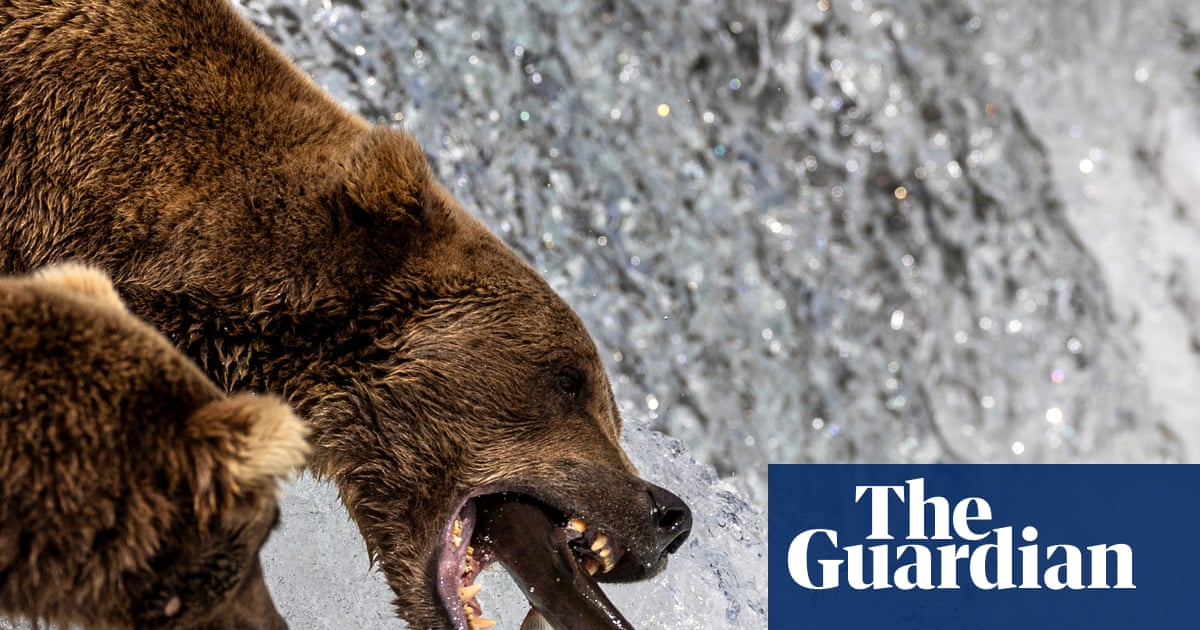
A livestream capturing brown bears feeding on salmon at Brooks Falls in Alaska has experienced a dramatic rise in popularity this summer. The camera feed, operated by the wildlife network Explore.org within Katmai National Park, recorded approximately 7.3 million views between late June and early August. This figure represents a seventy percent increase from the corresponding timeframe in the previous year and more than double the viewership numbers recorded in 2024. The surge indicates a growing public appetite for real-time wildlife observation, transforming what was once a niche conservation tool into a mainstream digital spectacle.
The primary driver behind this spike in attention appears to be the behavior of the bears themselves rather than changes in the broadcasting technology. According to Candice Rusch, Explore.org’s director of new media, the animals are congregating in much larger numbers at the falls this season. In contrast, last year featured an exceptionally high salmon run that dispersed fish throughout the river system. Because food was abundant and widely available previously, bears did not need to gather densely at the waterfall to feed. This year’s conditions have forced a more concentrated assembly of animals, providing viewers with clearer and more frequent sightings of multiple bears interacting in a single frame.
The visual appeal of these gatherings has captivated a dedicated global audience. Viewers often tune in during daily routines, such as cooking dinner, treating the stream as background entertainment that offers a window into remote wilderness. The consistency of the feed allows audiences to track individual animals over time. Fans have developed the ability to identify specific bears based on distinct physical characteristics like ear shape, nose structure, and body mass. Some enthusiasts maintain detailed logs of feeding habits, tracking how many fish particular bears consume over extended periods. One reported instance involved a bear named Otis eating forty-two salmon in a single session, an intake estimated to exceed one hundred thousand calories.
This digital engagement with wildlife serves a broader purpose beyond entertainment. The cameras were originally installed in 2012 with the intention of bringing remote ecosystems into public view. The underlying hypothesis was that familiarity breeds empathy; people are more likely to support conservation efforts for animals and landscapes they feel connected to. By allowing viewers to witness the daily lives of these creatures, the project aims to cultivate a sense of stewardship among those who might never visit Alaska in person. The success of the stream suggests that this model can effectively bridge the gap between urban audiences and wild environments.
Academic research supports the notion that virtual nature experiences can have positive impacts on conservation psychology. Dr. Jeffrey Skibins, an associate professor at East Carolina University, notes that studies indicate nature-based webcams improve awareness and attitudes toward wildlife protection. These digital tools do not replace the value of visiting natural spaces directly but act as complementary resources. They provide accessible entry points for individuals who may lack the time, financial means, or physical ability to travel to remote locations. By maintaining a continuous connection to the wild, viewers may develop sustained interest in environmental issues.
The current feeding frenzy holds particular significance as it precedes Katmai National Park’s annual Fat Bear Week competition. Scheduled for the autumn, this event invites the public to vote in a tournament-style bracket to determine which bear has gained the most weight. The competition highlights the critical biological necessity of hyperphagia, the period when bears consume massive amounts of food to build fat reserves for hibernation. The livestream provides real-time data on this process, allowing fans to witness the physical transformation of the animals as they prepare for months of dormancy.
The contrast between this year’s concentrated feeding and last year’s dispersed activity underscores the variability of natural ecosystems. Salmon runs fluctuate annually due to complex environmental factors, influencing bear behavior and distribution. The camera feed captures these dynamics in real time, offering a valuable educational resource about predator-prey relationships and seasonal cycles. As viewership continues to grow, the platform demonstrates how technology can enhance public understanding of ecological processes without disrupting the animals’ natural habits.
Looking ahead, the sustained interest in the Brooks Falls bearcam suggests that digital wildlife monitoring will remain a prominent feature of environmental communication. The ability to observe large congregations of bears has turned the feed into a shared cultural experience, with millions tuning in simultaneously. This collective viewing habit fosters a community around conservation topics, potentially translating online engagement into offline support for protected areas. As long as the bears continue to provide compelling visuals and the technology remains reliable, the stream is likely to maintain its status as a leading source of wildlife content.
The success of this initiative also highlights the evolving role of media in environmental advocacy. Traditional documentaries often require significant production resources and limited release windows. In contrast, livestreams offer unedited, continuous access to nature, removing the filter of narrative construction. This raw presentation allows viewers to draw their own conclusions about animal behavior and ecosystem health. The combination of scientific utility and public engagement makes the Brooks Falls camera a unique case study in modern conservation communication.
Ultimately, the surge in viewership reflects a broader trend toward seeking connection with nature through digital means. While it cannot substitute for direct experience, it provides a vital link for those disconnected from wild spaces. The bears’ return to concentrated feeding at Brooks Falls has created a perfect storm of visual interest and educational value. As Fat Bear Week approaches, the focus will remain on the animals’ preparation for winter, offering a poignant reminder of the delicate balance between wildlife survival and human observation.
Sources behind this briefing
Go to the original reporting
- The Guardian World↗Gorging on bearcam: the livestream of big beasts eating that draws millions

