The short version
- Governor Kay Ivey commuted Toforest Johnson’s death sentence to life imprisonment without parole, citing insufficient direct evidence for execution.
- Jefferson County District Attorney Danny Carr and former legal officials argue the conviction foundation has disintegrated due to unreliable witness testimony.
- Johnson’s defense team maintains his innocence and intends to continue pursuing a new trial through the court system despite the sentence reduction.
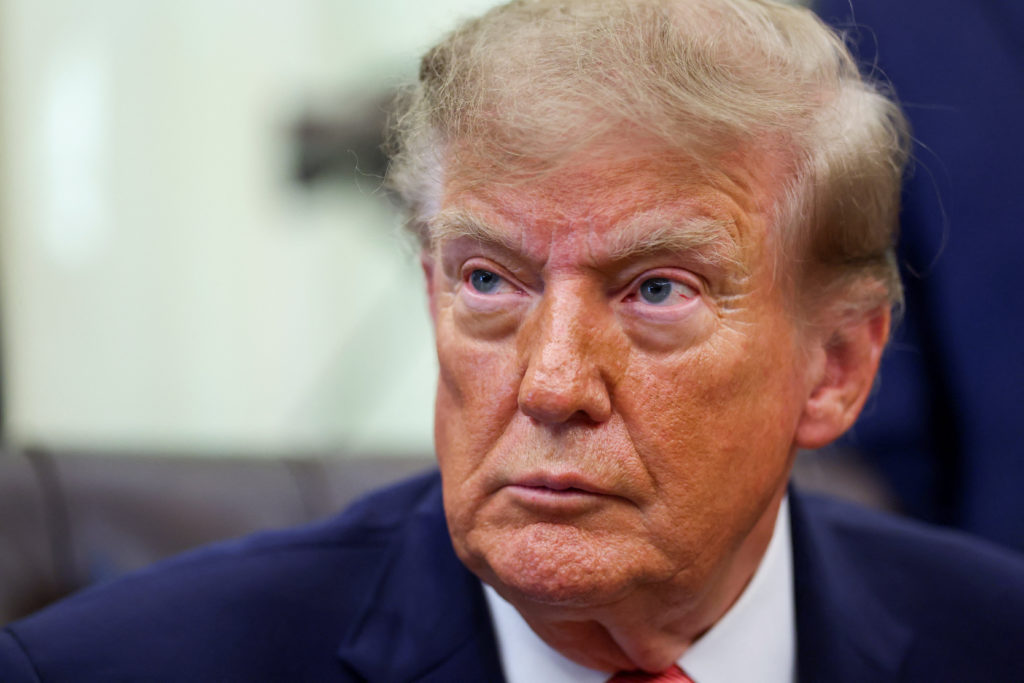
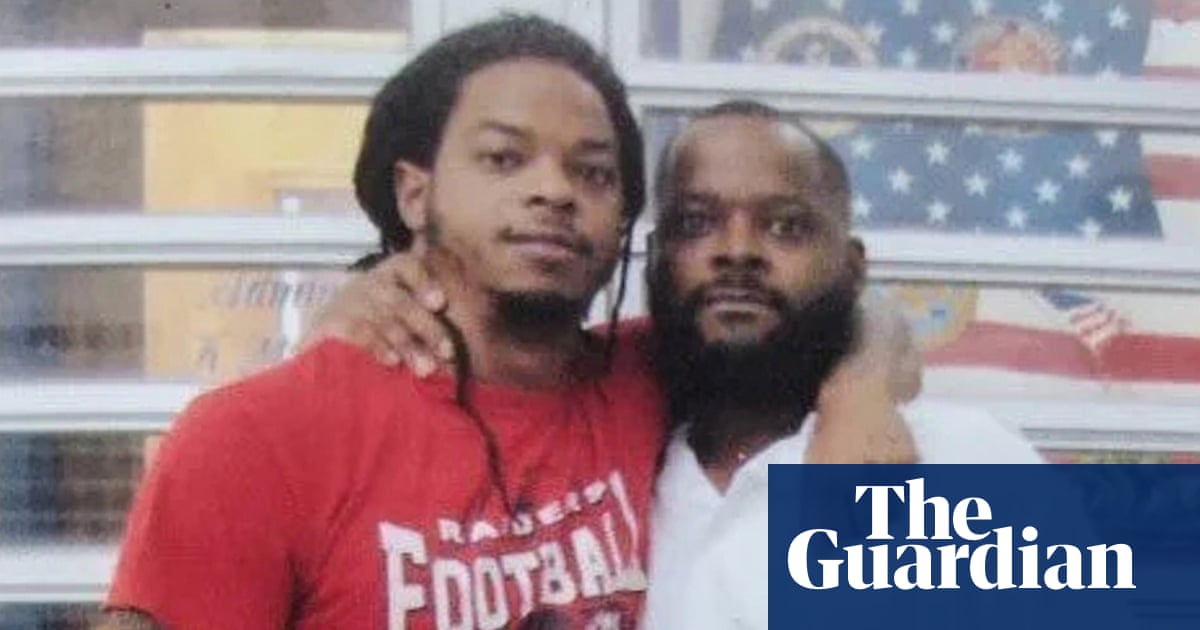
The administration of capital punishment in Alabama faced a significant procedural shift on Tuesday when Governor Kay Ivey commuted the death sentence of Toforest Johnson. The Republican governor reduced Johnson’s penalty for the 1995 murder of Deputy Sheriff William Hardy to life imprisonment without the possibility of parole. This decision marks a rare intervention by an executive who has overseen dozens of executions during her tenure, signaling a willingness to halt lethal punishment when evidentiary concerns arise.
Ivey stated that her review of the case revealed a lack of direct evidence sufficient to justify the ultimate penalty. She clarified that commuting the sentence does not constitute a formal declaration of innocence but rather an acknowledgment that the specific circumstances warrant a lesser punishment. This action aligns with a broader, albeit limited, trend among some Republican governors who have recently paused or cancelled executions due to emerging doubts about case integrity.
The underlying criminal case involves the shooting death of William Hardy, who was working off-duty security at a hotel in Jefferson County when he was shot twice in the head. Johnson has consistently maintained that he was located on the opposite side of town at the time of the killing. More than ten witnesses have placed him elsewhere during the incident, and no physical evidence has ever directly linked him to the crime scene.
Central to the controversy is the testimony of a key prosecution witness from Johnson’s 1998 trial. The witness claimed she overheard a phone conversation in which a man she identified as Johnson admitted to the murder. However, records indicate that this witness received $5,000 for her testimony in 2001. Defense attorneys have long argued that the state failed to disclose this financial motivation, potentially compromising the reliability of the account.
Legal opposition to the conviction has intensified over the past two decades. Danny Carr, the current Jefferson County District Attorney, has publicly called for the overturning of the verdict. Carr noted that the evidentiary basis for the conviction has unraveled significantly since the trial. He joined forces with the original prosecutor and several former judges in urging judicial review.
Prominent figures from Alabama’s legal community have also weighed in against the execution. Former Attorney General Bill Baxley, along with ex-chief justices Sonny Hornsby and Drayton Nabers, submitted briefs supporting a new trial. These officials argued that the foundation of the case has disintegrated, raising serious questions about whether justice was served in the original proceedings.
The case has attracted national attention beyond traditional legal circles. High-profile advocates, including Kim Kardashian, have supported efforts to secure a retrial. A podcast dedicated to the case further amplified public scrutiny of the evidentiary gaps and procedural issues. This widespread interest has placed additional pressure on state authorities to address the inconsistencies in the prosecution’s narrative.
Despite the governor’s intervention, Johnson remains incarcerated. His legal team expressed gratitude for the stay of execution but emphasized that their work is not complete. Attorney Ty Alper stated that the defense will continue to fight for a full overturning of the conviction and a new trial. The ultimate resolution now rests with the judiciary, which must determine whether the doubts raised by officials and witnesses are sufficient to grant a retrial.
This development underscores the growing complexity surrounding death penalty cases in the United States. As more evidence emerges regarding witness credibility and prosecutorial conduct, even staunch supporters of capital punishment face difficult decisions. Ivey’s action reflects a cautious approach to finality, prioritizing the prevention of potential wrongful execution over the immediate enforcement of a decades-old sentence.
The next phase involves continued litigation in the state courts. Johnson’s attorneys plan to leverage the governor’s concerns and the district attorney’s statements to build a stronger case for judicial relief. The outcome will likely influence how similar cases are evaluated in Alabama and potentially other jurisdictions grappling with legacy death row convictions.
Sources behind this briefing
Go to the original reporting
- The Guardian World↗Alabama governor commutes sentence of prisoner on death row