The short version
- Air India has selected Tewolde Gebremariam, the former head of Ethiopian Airlines, as its new chief executive officer to lead the carrier through significant operational and financial challenges.
- The airline is grappling with a record annual loss of nearly $2.3 billion, reduced international operations, and ongoing scrutiny following a deadly crash last year that claimed 260 lives.
- Industry experts suggest Gebremariam’s experience navigating previous aviation crises may be crucial for rebuilding employee morale and stabilizing the fleet expansion plans under Tata Group ownership.
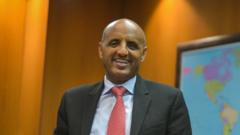
Air India has appointed Tewolde Gebremariam as its new chief executive officer, marking a significant leadership transition for the Indian carrier as it confronts mounting financial deficits and lingering safety concerns. Gebremariam replaces Campbell Wilson, who stepped down in April after nearly four years at the helm. The board unanimously selected Gebremariam following an extensive search process, citing his operational expertise and leadership capabilities as essential for guiding the airline into its next phase of growth.
Gebremariam brings a distinguished track record from his tenure at Ethiopian Airlines, where he served for over a decade. During his time leading that carrier, he oversaw a substantial expansion of the fleet, growing it nearly threefold and transforming it into one of Africa’s most profitable airlines. His ability to navigate complex crises has drawn particular attention; aviation experts note his successful management of Ethiopian Airlines through the 2019 Boeing 737 Max disaster and the subsequent global pandemic. By pivoting to cargo operations when passenger revenues collapsed, he kept the airline profitable during a period that devastated many competitors.
The transition at Air India comes at a critical juncture for the company, which was acquired by the Tata Group from the Indian government in 2022. N Chandrasekaran, the chairman of Air India, indicated that the initial phase of stabilization and integration under Wilson’s guidance has been completed. The airline is now entering what Chandrasekaran described as a critical era of execution and expansion. Gebremariam has expressed his intention to build a world-class global carrier that reflects India’s growing economic potential, signaling a shift from consolidation to aggressive development.
However, the new CEO inherits a daunting set of challenges. The airline recently reported a record loss of nearly $2.3 billion, underscoring the severe financial pressure it faces. Chandrasekaran has warned that achieving a full turnaround could take up to a decade. To manage these losses, Air India has already cut nearly a third of its international operations. The carrier currently operates a fleet of 198 aircraft, conducting approximately 5,000 weekly flights to 91 destinations across India and abroad, but the path to profitability remains steep.
Safety concerns also loom large over the airline’s future. Gebremariam takes charge in the wake of last June’s fatal crash between Ahmedabad and London, which killed 260 people and dealt a major setback to the airline’s ambitions. The final report on that disaster is scheduled for release in October. This incident has intensified regulatory scrutiny and damaged public confidence, requiring careful management to restore trust among passengers and stakeholders.
Operational reliability has also been a persistent issue. In March, a flight from Delhi to Vancouver was forced to turn back after nearly eight hours in the air because it lacked clearance to enter Canadian airspace. Such incidents highlight broader systemic problems within the airline’s operations. Industry analysts suggest that rebuilding workplace culture and lifting employee morale will be among Gebremariam’s immediate priorities, alongside accelerating delayed fleet expansion and refurbishment projects.
The wider Indian aviation sector is also facing headwinds that complicate Air India’s recovery efforts. Rising costs, aircraft delivery delays, and disrupted international routes due to geopolitical tensions, including the conflict in Iran, are pressuring carriers across the region. Tighter regulatory oversight adds another layer of complexity for executives trying to streamline operations while maintaining safety standards.
Experts believe Gebremariam’s background may be particularly relevant given these circumstances. Sanjay Lazar, CEO of Avialaz Consultants, noted that Gebremariam earned the respect of his employees during previous crises by supporting pilots and engineers. This approach could be vital for Air India as it seeks to reshape its network and stem financial bleeding. The airline has not yet announced a specific start date for Gebremariam’s tenure, stating that details will be provided later.
As Air India moves forward, the focus will likely remain on balancing ambitious growth targets with the urgent need for financial discipline and safety assurance. The success of this leadership change will depend on how effectively Gebremariam can translate his past achievements into tangible improvements for a carrier struggling to find its footing in a competitive and volatile market.
Sources behind this briefing
Go to the original reporting
- BBC World↗Air India's new CEO faces financial and safety turbulence

