The short version
- Aipac announced it will cease direct candidate endorsements and contributions, marking a reversal of a strategy adopted only three election cycles ago.
- Critics view the move as an admission that the organization's brand has become politically toxic, while insiders frame it as a tactical pivot to maintain influence through super PACs.
- Despite ending formal endorsements, Aipac plans to continue funneling millions via its United Democracy Project and individual donor networks, preserving its financial leverage in elections.
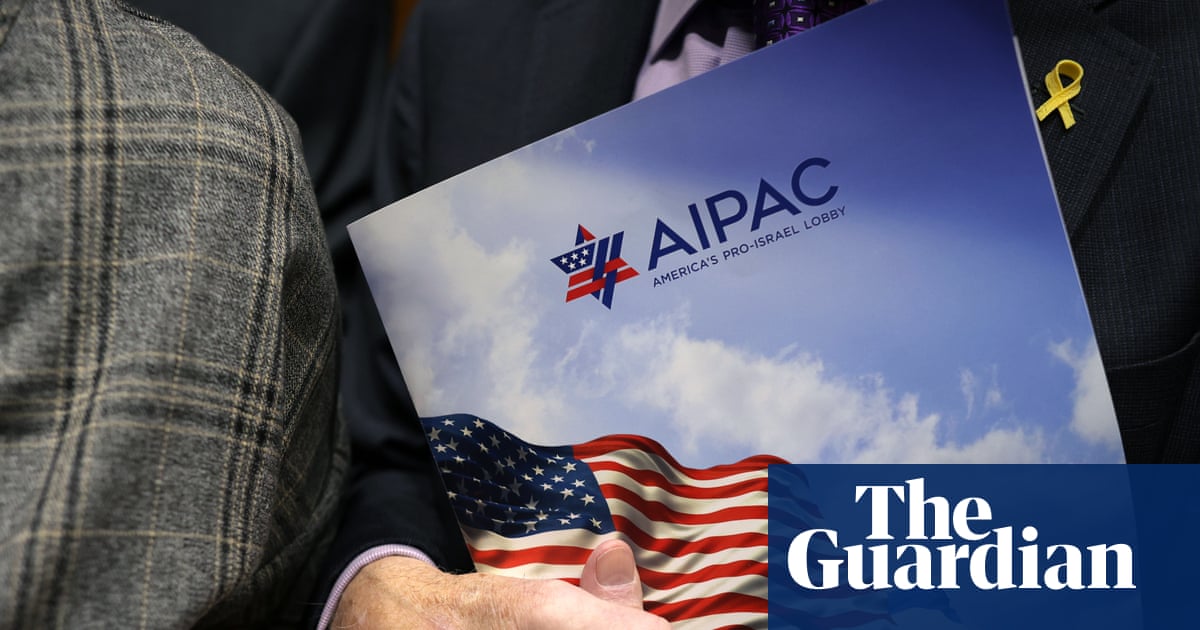
The American Israel Public Affairs Committee has announced a significant alteration to its political engagement strategy, stating it will no longer issue formal endorsements for candidates or make direct contributions to their campaigns. This decision represents a sharp departure from the group’s recent approach, which began only three election cycles ago when Aipac launched its own political action committee. The shift underscores a broader recalibration within the organization as it navigates an increasingly hostile environment regarding U.S. support for Israel.
Leadership at Aipac described the current electoral climate as one of the most challenging in recent memory, noting that the difficulties facing the group are likely to intensify in coming years. In communications with members, the organization emphasized the need to build a more nimble and consequential political operation. Rather than adhering to traditional methods, Aipac stated it is committed only to tactics that prove effective, suggesting that direct endorsements have lost their utility or become counterproductive.
Critics of the lobbying group have interpreted the announcement as a tacit admission that Aipac’s brand has suffered significant damage. Political analysts and advocacy groups argue that the organization’s once-unassailable reputation has eroded due to shifting public opinion on the war in Gaza. What was previously viewed as a reflexive political asset for candidates supporting Israel is now increasingly seen as a liability, with fewer politicians willing to publicly associate with the group.
Beth Miller, political director of Jewish Voice for Peace Action, characterized the move as an open acknowledgment that Aipac’s influence has waned. She argued that the decision signals a recognition that aligning with the group is poor politics and policy. Other observers noted that the announcement reflects a broader trend where candidates are actively distancing themselves from Aipac to avoid backlash from constituents who have grown more critical of Israeli government actions.
Despite ending formal endorsements, Aipac has made clear that it is not withdrawing from the political arena. The organization pledged to maintain its deep-pocketed super PAC, the United Democracy Project, which continues to play a central role in shaping election outcomes. Through this vehicle, along with contributions from individual members and donors, Aipac intends to continue supporting candidates who align with its pro-Israel stance, effectively bypassing the need for direct institutional backing.
The practical impact of this change may be limited, according to those who monitor campaign finance. Members of Aipac contributed over $90 million to candidates in the current election cycle, a figure that dwarfs the $3 million donated directly through the group’s PAC. This suggests that while the branding strategy is changing, the financial machinery remains robust. The shift appears designed to allow pro-Israel interests to operate with greater flexibility and less visible association with the Aipac name.
Recent electoral results have highlighted the volatility of Aipac’s influence. While the group claims credit for helping defeat dozens of candidates it labeled anti-Israel, it has also faced notable setbacks in key states such as Michigan and New Jersey. Several elected officials who previously accepted Aipac funds have since returned donations or announced they would decline future contributions. New York Representative Pat Ryan recently returned nearly $250,000, joining a growing list of politicians seeking to sever ties with the organization.
Analysts suggest that this strategic pivot allows Aipac to reinvent itself without ceding ground on the political battlefield. By removing its name from direct endorsements, the group may hope to mitigate the toxicity associated with its brand while still exerting substantial influence behind the scenes. The United Democracy Project and other affiliated entities will likely continue to funnel resources to preferred candidates, ensuring that Aipac’s objectives remain a priority in upcoming elections.
The broader implications of this shift extend beyond immediate campaign dynamics. It reflects a deeper transformation in how U.S. political actors navigate the complex relationship between American foreign policy and domestic public opinion. As scrutiny of Israel’s actions intensifies, lobbying groups must adapt to a landscape where traditional alliances are no longer guaranteed. Aipac’s decision signals that even powerful organizations must evolve when their established methods cease to yield desired results.
Looking ahead, the effectiveness of this new strategy remains uncertain. While avoiding direct endorsements may protect candidates from immediate backlash, it does not resolve the underlying tensions driving public sentiment. Advocacy groups like TrackAipac and initiatives such as Reject Aipac continue to monitor various avenues through which pro-Israel lobbying operates. The coming years will likely test whether Aipac can maintain its influence without the overt branding that defined its recent political engagement.
Sources behind this briefing
Go to the original reporting
- The Guardian World↗Aipac halts candidate endorsements amid US backlash against Israel