The short version
- A magnitude 7.7 earthquake has killed at least 53 people and displaced approximately 5,000 residents across the island of Flores.
- Landslides and infrastructure damage have isolated villages like Nitung, preventing aid delivery for nearly two days after the initial tremor.
- Local hospitals are operating out of tents due to structural collapse, while officials cite budget constraints and logistical barriers as reasons for slow response.
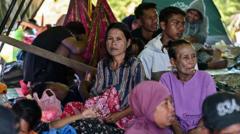
A powerful magnitude 7.7 earthquake struck the Indonesian island of Flores on Saturday morning, triggering a humanitarian crisis that has left thousands displaced and cut off from essential services. The tremor, which occurred at a shallow depth of just 15 kilometers, released significant energy near populated areas, resulting in widespread structural damage. Early assessments indicate that at least 53 people have died, making this the deadliest seismic event in the country since hundreds perished in West Java in 2022. Approximately 5,000 individuals have been forced from their homes, creating an urgent need for shelter and medical care.
The immediate aftermath has been characterized by severe disruptions to aid distribution. Landslides have severed critical access roads across the island, isolating communities that were already vulnerable before the disaster. In several regions, supplies of food and clean water are dwindling rapidly. Residents report that basic necessities are in high demand, yet delivery mechanisms remain stalled. The combination of physical barriers and logistical challenges has created a vacuum where local populations must rely on their own resources while waiting for external assistance.
Medical infrastructure has suffered particularly heavy blows. In Manggarai Regency, the Ruteng Regional General Hospital saw its roof collapse, rendering the operating room, delivery suite, pharmacy, and laboratory unusable. Staff have been forced to set up makeshift emergency rooms in tents amidst the rubble of the destroyed facility. Similar scenes are unfolding in Ngada Regency, where health facilities and equipment were severely damaged. Local officials note that no external medical assistance had arrived as of Sunday night, leaving injured patients with limited options for treatment.
Survivors are facing difficult conditions as they navigate the ongoing threat of aftershocks. Many have chosen to sleep outdoors through sweltering days and frigid nights, fearing that further tremors could cause buildings to collapse while they rest. In Labuan Bajo, a major tourist hub in western Flores, residents expressed anxiety about the stability of their homes. One farmer described the shaking as terrifying, noting that her house nearly collapsed. This fear of structural failure has driven many to seek higher ground or open spaces, exacerbating the displacement crisis.
Communication and power outages have compounded the isolation felt by affected communities. Blackouts are widespread, and communication lines have been completely cut off in some areas, such as Nitung Village on Palue Island north of the mainland. This village was cut off for nearly two full days after the initial quake. Rescuers only reached the area on Sunday night after a hazardous two-hour overland journey from the coast. The route remained prone to landslides, posing life-threatening risks to emergency personnel attempting to deliver aid.
Local leaders and residents have expressed frustration with the pace of the government response. Herry Kabut, editor-in-chief of Floresa Media, noted that many residents have established their own evacuation posts due to a lack of official guidance. He highlighted that people are unsure where to go for safety, leading some to flee to hillsides without adequate supplies. Charles Abar, a resident of Ngada Regency, suggested that district and regional governments are struggling with budget constraints and limited supplies, which has hampered their ability to provide immediate relief such as emergency tents.
The National Disaster Management Agency reports that more than 1,000 houses have been damaged, along with dozens of schools, government offices, and health facilities. However, the full scale of the destruction remains unclear as assessment teams struggle to reach remote areas. The shallow depth of the earthquake amplified its impact on surface structures, causing disproportionate damage compared to deeper quakes of similar magnitude. Indonesia’s location at the intersection of three major tectonic plates makes it highly susceptible to such seismic activity.
Efforts are underway to rush aid to the most isolated survivors, including those in Sikka Regency, which appears to have suffered some of the worst damage. Deputy Police Chief Commissioner Marselus Yugo Amboro, who led the rescue mission to Nitung Village, emphasized the difficulty of navigating landslide-prone roads. Despite these challenges, rescuers are working to re-establish contact with cut-off villages and deliver essential supplies. The coming days will be critical in determining whether aid can reach those most in need before conditions deteriorate further.
As aftershocks continue to rattle the island, the psychological toll on survivors is becoming apparent. Community members describe a state of trauma and uncertainty, with little information available about when normalcy might return. The lack of clear government advice has left residents to make their own decisions regarding safety and evacuation. International attention is now focused on whether logistical bottlenecks can be overcome to prevent starvation and disease outbreaks in the affected regions.
The situation in Flores underscores the vulnerabilities inherent in disaster response in geographically complex terrains. While initial rescue operations have begun, the long-term recovery will depend on sustained support and improved infrastructure resilience. Local authorities are calling for immediate provision of emergency shelters and medical supplies. Until then, thousands of displaced Indonesians remain in precarious conditions, relying on community solidarity and sporadic aid deliveries to survive.
Sources behind this briefing
Go to the original reporting
- BBC World↗Aid shortages and fears of starvation as Indonesia reels from deadly earthquake

