The short version
- Major tech companies including Apple, Tesla, and Nvidia lost approximately $1 trillion in market value in a single trading session after election results.
- Prominent investors like Ray Dalio and Michael Burry have raised alarms about potential AI bubbles, with Burry placing bets against key industry players.
- Institutional opinions remain divided, with some warning of a slowdown in AI development while others see long-term growth potential.
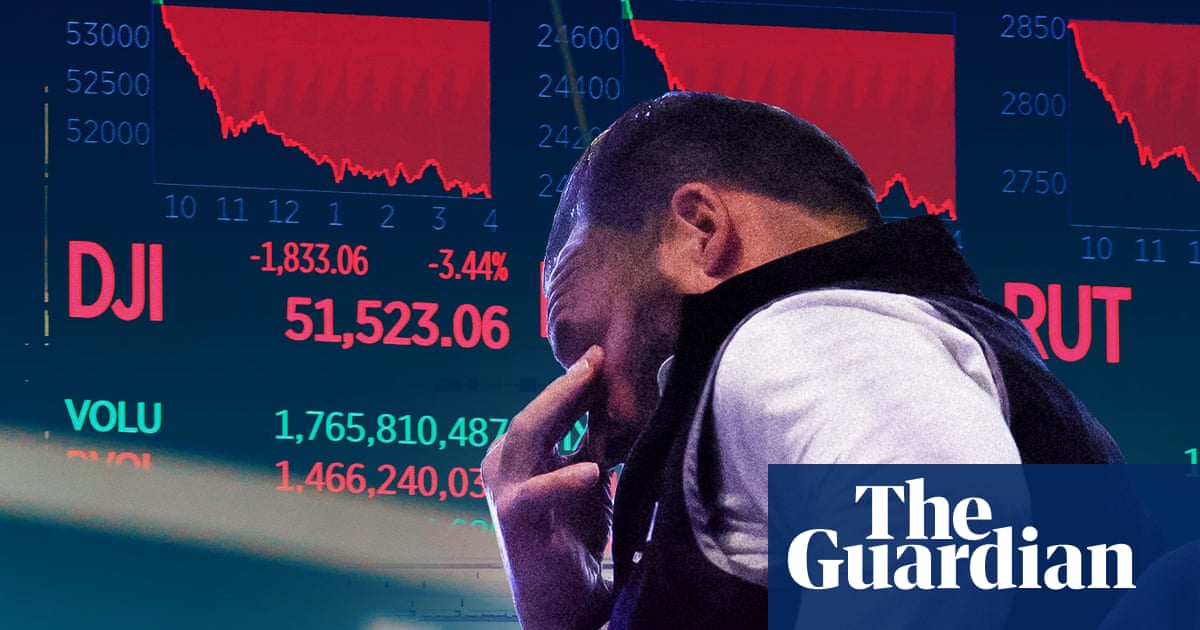
Global technology stocks experienced a significant downturn following the Democratic Party’s victory in the U.S. midterm elections, triggering renewed debate over whether an artificial intelligence investment bubble is forming. Major corporations such as Apple, Tesla, and Nvidia shed approximately $1 trillion in market value during a single trading session, reflecting investor anxiety about the future of AI development under a new political landscape. The sell-off has prompted experts to reassess the sustainability of current valuations in the tech sector.
Ray Dalio, founder of Bridgewater Associates, has publicly warned of an AI bubble, suggesting that excessive optimism may be driving prices beyond fundamental values. His concerns are echoed by Michael Burry, known for his accurate prediction of the 2008 financial crisis, who has placed bets against Nvidia and Palantir. These moves by high-profile investors have added weight to the argument that the market is overextended, particularly in companies heavily reliant on AI narratives.
The election results have raised fresh questions about the future of data-center buildouts, which have been a cornerstone of recent tech investment strategies. With Democrats now holding sway in Congress, there are fears that regulatory changes or shifts in government spending could slow the pace of AI infrastructure development. Business Insider reported that these uncertainties are contributing to the sell-off, as investors weigh the potential impact of policy changes on corporate earnings.
Despite the gloom, opinions among Wall Street CEOs and major money managers remain divided. Bloomberg noted that while some executives express caution about AI risks, others maintain confidence in the technology’s long-term potential. This divergence highlights the complexity of the current market environment, where short-term political shocks intersect with long-term technological trends. The debate is not merely about stock prices but about the fundamental viability of AI-driven business models.
The Guardian’s Richard Partington described the situation as a mix of "stock market jitters" and genuine concern about a bursting bubble. He pointed out that the scale of the losses—$1 trillion in a single day—is unprecedented and suggests more than routine volatility. However, he also noted that historical precedents show tech markets often recover from sharp corrections, provided underlying innovation continues.
Longbridge analyzed institutional perspectives on the AI bubble question, finding that many large firms are cautious but not outright bearish. Some argue that while valuations may be high, the transformative potential of AI justifies premium pricing. Others warn that if consumer adoption lags or regulatory hurdles increase, the sector could face a prolonged correction. This uncertainty is driving volatility as investors try to gauge the true risk-reward balance.
The role of political dynamics cannot be overstated. The Democratic sweep in midterms has shifted expectations around government support for tech industries. Previous administrations may have offered more favorable conditions for data-center expansion and AI research, while new leadership could prioritize different policy goals. This shift is particularly relevant for companies like Nvidia, whose growth has been tied to both commercial demand and government contracts.
Michael Burry’s bets against Nvidia and Palantir have drawn significant attention, as his track record lends credibility to his warnings. However, short-selling strategies carry substantial risk, especially in markets driven by sentiment rather than fundamentals. If AI adoption accelerates despite political headwinds, these positions could result in significant losses for Burry and other skeptics.
The broader implications of this sell-off extend beyond individual stocks. A sustained decline in tech valuations could affect venture capital funding, startup ecosystems, and consumer confidence in digital services. Conversely, a correction might create opportunities for disciplined investors to acquire assets at lower prices. The outcome will depend on how quickly the market adjusts to the new political reality and whether AI innovation continues to deliver tangible results.
As the debate intensifies, one thing is clear: the intersection of politics and technology has become a critical factor in financial markets. Investors are no longer just evaluating business models but also assessing policy risks. The coming months will reveal whether the current downturn is a temporary reaction or the beginning of a more profound reckoning for the AI industry.
Sources behind this briefing
Go to the original reporting
- The Guardian Business↗Could the AI bubble burst after Democrats' midterms sweep? - The Latest
- Yahoo Finance↗Ray Dalio Is Warning of an AI Bubble. Michael Burry’s Bets Against Nvidia and Palantir Add to the Debate.
- Bloomberg.com↗Wall Street CEOs, Big Money Managers Divided Over AI Risks
- Business Insider↗AI stocks sell off as election results raise fresh questions about the data-center buildout's future


