The short version
- The Agency for Healthcare Research and Quality has lost approximately three-quarters of its workforce due to administrative cuts during the second Trump term.
- More than one hundred research grants totaling over $250 million were canceled in July, causing scientists across thirty states to suspend projects and lay off staff.
- Thirty Democratic senators have condemned the actions as sabotage, demanding immediate reinstatement of funding while health experts warn the agency may not survive.
The federal entity charged with analyzing methods to enhance the United States healthcare system is facing a severe operational crisis. Experts indicate that the Agency for Healthcare Research and Quality is on the verge of collapse following aggressive administrative actions taken by the current administration. These measures include drastic reductions in personnel, the mass termination of research grants, and the refusal to utilize funds previously allocated by Congress. The situation has raised serious questions about whether the organization will endure through the remainder of the Trump presidency.
The AHRQ has operated since the 1990s with a mandate to study patient safety, care delivery models, healthcare quality metrics, and emerging medical technologies. Historically, bipartisan support existed for addressing health disparities as core quality issues. However, recent developments suggest these matters have become increasingly polarized. Health policy analysts Aaron Carroll and David Atkins recently published an assessment in the Annals of Internal Medicine, describing the agency’s precarious position and noting that reversing the current damage would be difficult even if attempted.
Personnel reductions at the agency have been extensive. Reports indicate that Department of Government Efficiency initiatives resulted in the firing or forced retirement of roughly seventy-five percent of the AHRQ workforce. This significant loss of institutional knowledge has coincided with a halt in many ongoing studies. The abrupt nature of these changes has disrupted long-term data collection efforts and prevented the development of future health services researchers, according to academic observers.
In July, the agency issued cancellation notices to approximately one hundred fifty researchers. More than one hundred grants, collectively valued at more than $250 million, were terminated. Despite Congress appropriating $345 million for the 2026 fiscal year, only $15 million has been disbursed for grants so far. The majority of the allocated funds remain unspent. This financial freeze has forced scientists in over thirty states to pause their work, reduce their teams, and abandon new lines of inquiry.
The canceled projects covered a wide range of critical health issues. Among the terminated studies were initiatives aimed at training rural healthcare workers in Connecticut to manage maternal emergencies, improving home dialysis access in New York, and reducing patient fall risks in Colorado hospitals. Other axed programs included efforts to decrease antibiotic overuse in Utah, enhance autism screening for Black children in North Carolina, and improve chronic pain management strategies in Virginia to lower opioid reliance.
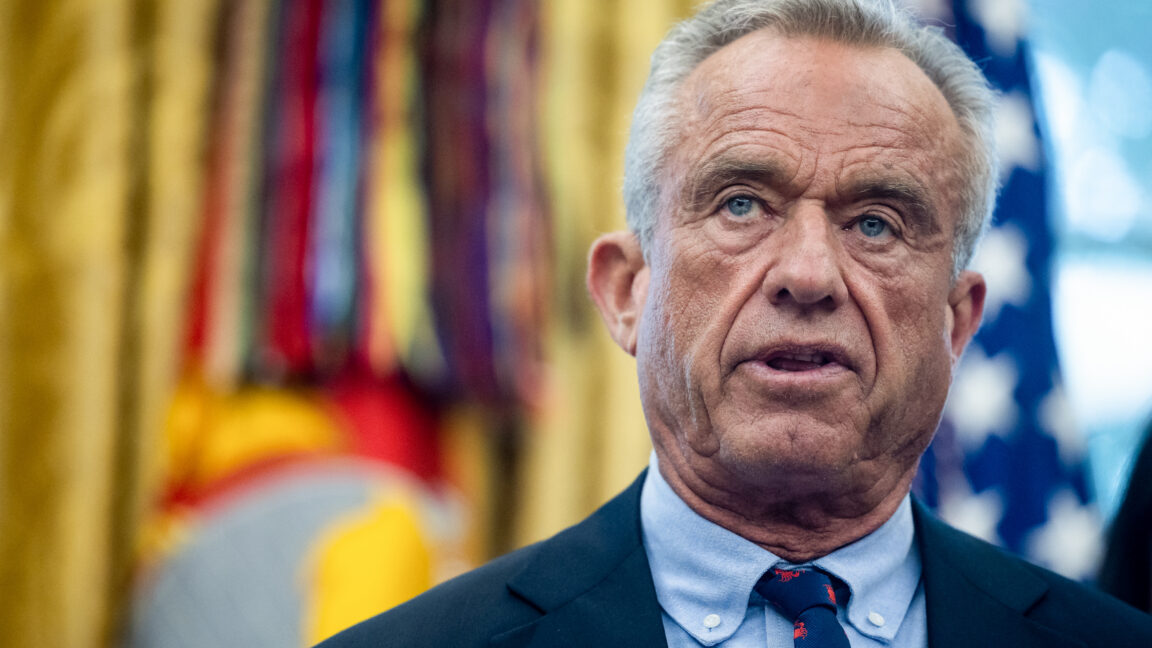
Thirty Democratic senators recently sent a strongly worded letter to Health Secretary Robert F. Kennedy Jr., expressing profound concern over the handling of the AHRQ. The lawmakers characterized the administration’s actions as sabotage and an abuse of administrative power that could lead to worse health outcomes for Americans. They argued that the cancellations were executed via form letters containing contradictory explanations and incorrect citations, further complicating the situation for affected researchers.
The senators emphasized that congressional appropriations come with explicit instructions to support life-saving research, rather than serving as optional suggestions for the Department of Health and Human Services. They demanded that Kennedy rescind the grant cancellations immediately and ensure that appropriated funds are used in accordance with the law. The letter set a deadline of August 25 for a response from the health secretary.
While the health department has previously defended the cuts, the scientific community remains alarmed by the loss of data and research findings. Carroll and Atkins noted that stopping the development of the next generation of health services researchers represents a significant blow to the field. As the deadline approaches, uncertainty remains regarding whether the agency will recover its capacity or face permanent structural changes.
Sources behind this briefing
Go to the original reporting
- Ars Technica↗"Sabotage": Experts, lawmakers blast RFK Jr. for destroying healthcare research
