The short version
- Talks between African federation leaders and Mattias Grafström suggest growing dissatisfaction with Gianni Infantino’s leadership style and policy decisions.
- Discontent stems largely from the decision to reduce the frequency of the Africa Cup of Nations, a move many federations view as imposed without adequate consultation.
- Potential challengers face pressure to present viable financial alternatives to Fifa’s commercial strategies to secure votes from member associations seeking infrastructure investment.
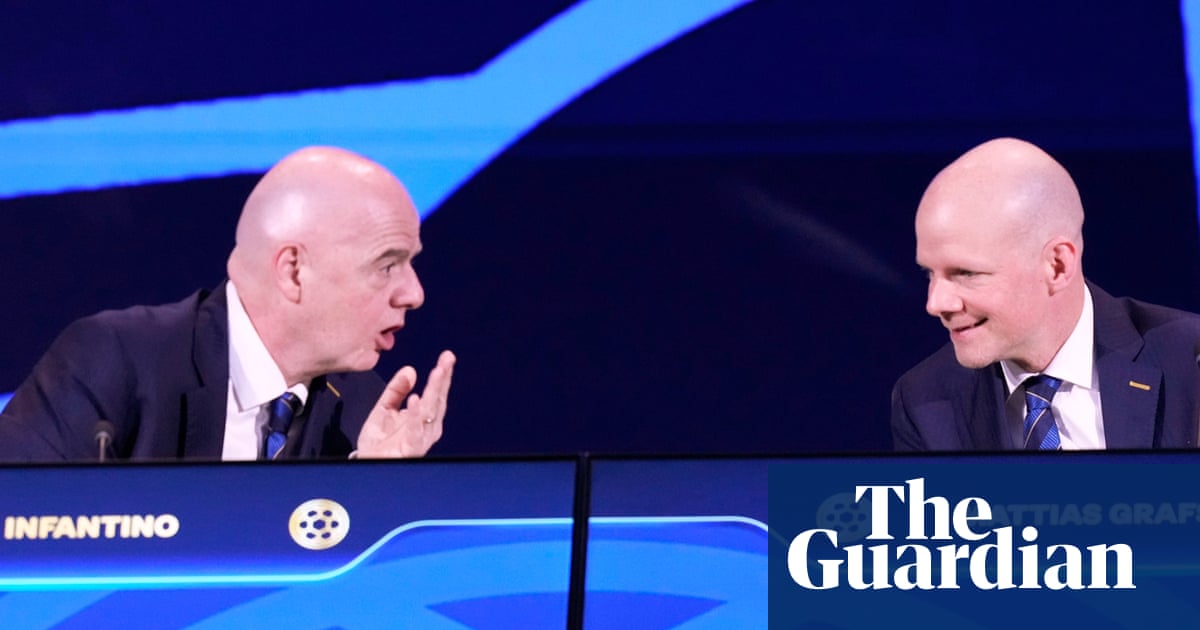
Senior figures within African football have initiated private discussions with Mattias Grafström, the general secretary of Fifa, to assess his potential interest in challenging Gianni Infantino for the presidency. These conversations represent a significant shift in the political landscape of world football’s governing body, as Africa has traditionally served as a reliable base of support for the current president. The outreach indicates that underlying tensions regarding governance and resource distribution are beginning to surface despite public declarations of unity from the Confederation of African Football.
Reports indicate that up to fifteen national federations across the continent may be prepared to withdraw their backing from Infantino when he seeks re-election next year. This potential defection contrasts sharply with statements from the Caf executive committee, which claimed unanimous reaffirmation of support for the Swiss-born president. The discrepancy between private sentiment and public posture suggests a cautious approach among African leaders who are weighing their options while observing broader continental reactions.
Grafström’s involvement in these talks is notable given his recent history within Fifa’s leadership structure. Initially, he distanced himself from Infantino’s Fifa Forward Enterprise plan, which proposed selling a portion of the World Cup’s commercial rights. After the proposal was abandoned, Grafström issued a memo acknowledging that unstable moments occur in organizational life. He subsequently signed a letter expressing full support for Infantino and informed staff of the dismissal of chief operating officer Kevin Lamour, who had criticized the commercial strategy.
Despite his eventual alignment with the president, Grafström’s early hesitation appears to have signaled openness to alternative viewpoints. Two African federation presidents reportedly contacted him separately last week to explore his willingness to run. Sources close to the situation describe Grafström as surprised by the approach and non-committal regarding any candidacy. However, his reputation for being open-minded and receptive to feedback has made him a figure of interest for those seeking to unify disparate continental interests.
The root of the discontent appears linked to structural changes imposed on African football. A major point of contention is the decision to stage the Africa Cup of Nations every four years instead of every two. Many federations believe this change was dictated by Fifa without sufficient consultation, leading to growing frustration among member associations. This policy shift has exacerbated existing grievances about how decisions affecting the continent are made and who holds the power to influence them.
Internal dynamics within the Caf executive committee reveal a more complex picture than public statements suggest. At a recent meeting in August, only four of twenty-one members publicly declared support for Infantino, including prominent figures such as President Patrice Motsepe and Vice-President Fouzi Lekjaa. The remaining members remained silent, indicating a reluctance to commit publicly while the political situation remains fluid. This silence underscores the uncertainty surrounding the upcoming election and the careful calculations being made by individual leaders.
With fifty-four member associations, Africa holds considerable sway in any attempt to unseat Infantino, who requires one hundred six votes to retain his position. Sheikh Salman bin Ebrahim Al-Khalifa, president of the Asian Football Confederation, is also viewed as a potential contender with significant backing from Europe and North America. If he were to run, sources suggest he could attract ten to fifteen votes from African federations alone, further eroding Infantino’s traditional stronghold.
However, any prospective challenger faces a critical hurdle: demonstrating a credible plan for financial support and infrastructure development. African federations have been warned that opposition must be accompanied by tangible benefits. Critics of Infantino are expected to propose alternatives that ensure consistent funding for poorer associations, similar to the revenue-sharing models previously discussed under the Fifa Forward Enterprise. Without a compelling economic vision, gaining traction among member nations seeking investment in local facilities may prove difficult.
The situation remains fluid as Grafström has not commented on the reports and continues to serve in his current role. The outcome of these internal discussions will likely shape the trajectory of the next Fifa presidential election. Whether Grafström emerges as a viable candidate or if another figure steps forward, the growing dissent within Africa highlights the increasing pressure on Infantino to address governance concerns and maintain support across all confederations.
As the election approaches, the focus will remain on how African federations coordinate their efforts and whether they can present a united front. The interplay between regional interests and global football politics will determine not only the leadership of Fifa but also the direction of investment and policy for years to come. Stakeholders worldwide are watching closely to see if these private talks translate into concrete action on the international stage.
Sources behind this briefing
Go to the original reporting
- The Guardian US↗Fifa general secretary Mattias Grafström sounded out about standing against Infantino

