The short version
- Jaafar Ashtiyeh, a photographer for Agence France-Presse, was hospitalized with bruises after being attacked by settlers in the occupied West Bank.
- The assault took place near Aqraba while journalists were documenting violence against Palestinian farmers during the olive harvest season.
- Critics condemn the lack of intervention by nearby Israeli soldiers and highlight a broader pattern of impunity for settler attacks on media personnel.
A veteran photojournalist working for Agence France-Presse was hospitalized after being beaten by armed Israeli settlers in the occupied West Bank. The attack occurred on October 6 near the northern village of Aqraba, where Jaafar Ashtiyeh, a 58-year-old Palestinian journalist, was documenting escalating violence against local farmers attempting to harvest olives. Witnesses and colleagues report that Ashtiyeh was struck repeatedly with rifle butts by a group of assailants who targeted him despite his clear identification as press.
The incident unfolded amid a tense standoff involving local Palestinians and Israeli forces. According to John Wessels, another AFP photographer present at the scene, the situation deteriorated rapidly when a man on a quad bike approached the journalists and opened fire with live ammunition. One Palestinian bystander was shot in the foot and subsequently hospitalized by the Palestine Red Crescent Society. Following this initial discharge, at least six individuals rushed toward the media team, firing weapons as they advanced.
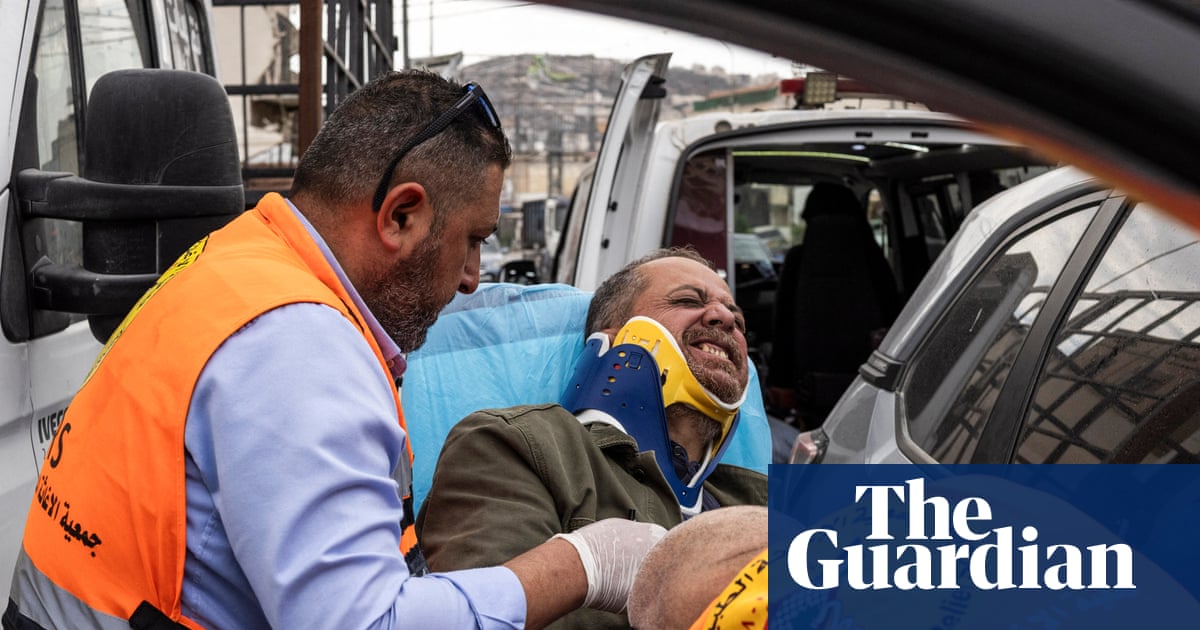
Ashtiyeh attempted to retreat into a vehicle clearly marked with press insignia, but two men jumped on him and began beating him. The assault left him with bruises to his head and torso. He was transported to a hospital in Nablus, where medical staff performed X-rays that revealed no broken bones. His son, Zain Jaafar, confirmed that Ashtiyeh remained conscious and would stay under round-the-clock observation for the foreseeable future. The attackers also confiscated Ashtiyeh’s camera equipment during the violence.
Perhaps most concerning to media rights organizations is the presence of Israeli security forces during the attack. Wessels stated that approximately a dozen armed Israeli soldiers were stationed about 500 meters away from the scene. Despite being in close proximity and witnessing the assault on clearly identified journalists, these soldiers did not intervene to stop the violence or protect the press. The failure of security personnel to act has drawn sharp criticism from international media groups.
Agence France-Presse issued a strong condemnation of the event, describing it as unacceptable that journalists could be beaten and robbed by armed settlers in front of security forces who made no attempt to intervene. Phil Chetwynd, AFP’s global news director, demanded a full investigation into the circumstances surrounding the attack. The agency emphasized that such violence represents a blatant attempt to intimidate the press and obstruct accurate reporting from the region.
The Foreign Press Association, which represents international media outlets operating in Israel and the Palestinian territories, expressed deep alarm over the incident. The organization called on Israeli authorities to investigate why soldiers present in the area failed to protect journalists who were clearly identified. They noted that international media have a responsibility to report all sides of the story and stated they would not be deterred by physical assaults or threats.
This assault occurs against a backdrop of worsening settler violence in the West Bank, particularly during the annual olive harvest. Olive farming serves as a critical economic lifeline for many Palestinian families, but settlers have increasingly targeted farmers with attacks, thefts, and vandalism. This year’s harvest season has been notably violent, coinciding with upcoming Israeli elections scheduled for the end of October. Extremist settlers have also been seizing olive groves owned by Palestinians, who view the trees as significant cultural symbols.
Media rights groups indicate that Israeli settlers have increasingly targeted journalists in recent months. Since the Hamas-led attack on Israel on October 7, 2023, Israeli authorities have detained 19 journalists in the West Bank, including one AFP contributor, according to Reporters Without Borders. The UN Human Rights Office reported that Israel was the world’s leading killer of journalists in 2025, with at least 225 journalists killed in Lebanon and Gaza. Historically, settlers are rarely arrested or charged for attacks against Palestinians, raising concerns about systemic impunity.
The broader context includes a population of approximately 500,000 Israeli settlers living among 3 million Palestinians in the West Bank, territory captured by Israel in 1967. Settlements in occupied territory are considered illegal under international law. Violence has flared in recent months with near-daily incidents involving settlers. There have also been retaliatory attacks against Israelis, including a Palestinian shooting that killed a settler last month. The convergence of political tension, economic pressure on farmers, and unchecked violence creates a volatile environment for both residents and those reporting on the conflict.
As investigations into the assault on Ashtiyeh proceed, the incident underscores the growing dangers faced by journalists in the region. The lack of immediate legal consequences for settler violence continues to embolden aggressors while silencing witnesses. International media organizations remain committed to covering events in the West Bank despite the physical risks and institutional impediments imposed by authorities. The outcome of any official inquiry into the soldiers’ inaction will likely influence perceptions of accountability and press freedom in the occupied territories.
Sources behind this briefing
Go to the original reporting
- The Guardian US↗Israeli settlers beat press photographer as soldiers watch in West Bank