The short version
- Reports indicate severe conditions aboard the USS Abraham Lincoln, including water shortages, plumbing issues, and multiple attempts by sailors to jump overboard after a 250-day deployment.
- Defense Secretary Pete Hegseth and Navy officials have dismissed these reports as misrepresentations, asserting that supplies and support networks are adequate.
- Military experts warn that prolonged deployments without port visits place significant psychological and physical strain on crews, raising concerns about readiness.
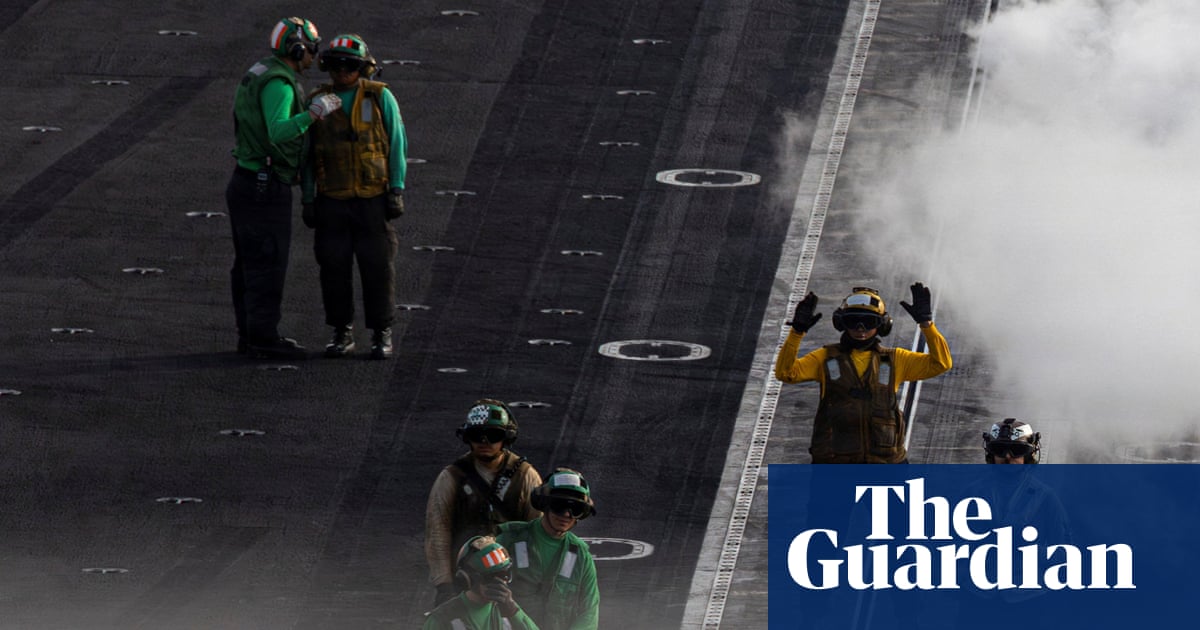
Concerns regarding the conditions aboard the USS Abraham Lincoln have intensified following reports of severe hardships faced by its crew. The San Diego-based aircraft carrier has been deployed in the Middle East for nearly nine months, exceeding 250 consecutive days at sea without a significant port visit. Originally bound for the Pacific, the ship was redirected to support US operations in the region as conflicts involving Israel and Iran escalated. This extended deployment has drawn scrutiny from military veterans, health experts, and lawmakers.
Reports from Navy Times and Stars and Stripes described critical shortages of supplies and water, along with persistent plumbing problems aboard the vessel. More alarmingly, these outlets reported multiple attempts by sailors to jump overboard, signaling deteriorating mental health and low morale among the roughly 5,000 crew members. These accounts prompted several Democratic lawmakers to demand answers from the Pentagon regarding the welfare of the service members.
In response to the growing outcry, Defense Secretary Pete Hegseth claimed that the conditions aboard the Lincoln had been “completely misrepresented.” Speaking to reporters, Hegseth asserted that the administration ensures every ship and crew has everything they need at all times. He expressed respect for the sailors’ sacrifices but denied that the reported issues reflected reality, suggesting that some deployments are simply longer than others.
A Navy official echoed this sentiment, telling The Guardian that while extended deployments place significant strain on service members, the command has not identified an increase in reported suicidal ideation or suicide attempts. The official emphasized that a comprehensive support network, including onboard deployment-resilience counselors and chaplains, is available to assist the crew. They also confirmed continuous access to clean water, functional air conditioning, and healthy meal options, contradicting the reports of shortages.
Despite these assurances, military experts have raised alarms about the psychological toll of such prolonged deployments. Armen Kurdian, a retired US Navy captain, noted that keeping sailors at sea for extended periods without coming ashore can lead to uncertainty and stress regarding their return home. This lack of closure and rest can exacerbate mental health issues, even if physical needs are met. The experts argue that the cumulative effect of long deployments is often underestimated by command structures.
The Wall Street Journal reported that the US military is preparing to replace the USS Abraham Lincoln with the USS George Washington. This move suggests an acknowledgment within the Pentagon that the current deployment has reached a critical threshold, whether due to operational necessity or crew welfare concerns. The replacement aims to alleviate the strain on the Lincoln’s crew and ensure continued operational effectiveness in the region.
The discrepancy between the reported conditions and the official statements highlights a broader tension regarding transparency in military operations. While the administration seeks to project strength and readiness, the accounts from independent media outlets suggest underlying vulnerabilities. The mention of water shortages and plumbing issues, if accurate, points to logistical challenges that may be exacerbated by the disruption of traditional supply hubs due to regional conflicts.
Lawmakers’ demands for answers reflect a growing political pressure on the Pentagon to address these issues. The potential impact on military readiness is a key concern, as fatigued crews may not perform at optimal levels. The administration’s dismissal of the reports as misrepresentations does little to quell public anxiety or satisfy those calling for greater accountability and support for service members.
As the USS George Washington prepares to take over, the situation aboard the Lincoln remains a focal point for debate. Whether the reported conditions were isolated incidents or systemic failures will likely be investigated further. The psychological impact on the crew, even if physical needs are met, cannot be ignored, especially given the expert warnings about the dangers of prolonged isolation at sea.
In conclusion, the controversy surrounding the USS Abraham Lincoln underscores the challenges of maintaining military readiness during extended deployments. While officials deny severe conditions, the reports of mental health struggles and logistical issues raise valid concerns about the welfare of sailors. The upcoming replacement of the carrier may provide temporary relief, but the broader implications for deployment policies and crew support systems remain unresolved.
Sources behind this briefing
Go to the original reporting
- The Guardian US↗US navy veterans and military health experts express concern over USS Abraham Lincoln sailors
- theguardian.com↗Trump downplays concerns about sailors onboard USS Abraham Lincoln amid record deployment

