The short version
- The Save Our Voices Now campaign calls for statutory rights to voice ownership, citing risks from unauthorized AI cloning and scams.
- Signatories argue current laws are inadequate, with 28% of UK adults reporting exposure to voice-cloning fraud.
- The government has announced a consultation on addressing harms while protecting innovation, though critics say action is too slow.
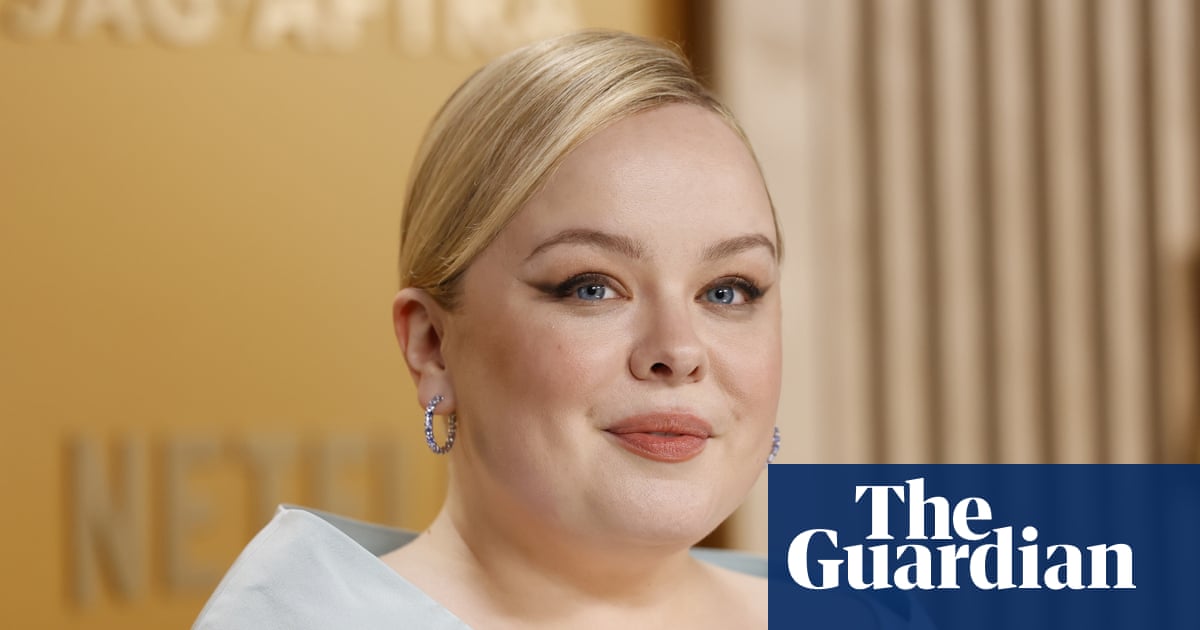
A growing coalition of actors and performers in the UK is demanding legislative protection against artificial intelligence voice cloning. The campaign, Save Our Voices Now, has gathered signatures from more than 80 individuals, including Matt Lucas, Hugh Bonneville, Nicola Coughlan, and Siobhán McSweeney. They have written to Prime Minister Andy Burnham urging the introduction of laws that grant every person legal ownership of their voice.
Voice cloning technology allows AI systems to replicate a person’s vocal characteristics using recordings. Quick versions can be created in minutes from just seconds of audio, while high-quality replicas require hours of data. Campaign founders warn that this capability poses an existential threat to creative industries, as voices are increasingly stolen and used without consent. Audiobook narrator Alice Sockett described the situation as "completely unprotected" despite her voice being in the public domain.
The campaign highlights alarming statistics, noting that 28% of UK adults report having been targeted by voice-cloning scams. Founder Peter Caulfield stated that AI companies are profiting from artists’ voices without permission, while criminals exploit the technology to impersonate individuals. He likened the scenario to a "Black Mirror episode," emphasizing its real-world implications.
Siobhán McSweeney expressed concern that legislation and ethical guidelines are lagging behind technological advancements. She argued that AI should complement human creativity rather than replace it, stressing the importance of maintaining human connection in performances. Other signatories, such as Scottish singer Sandi Thom, echoed these sentiments, describing their voices as unique identities tied to personal experiences.
The UK government has acknowledged the potential harms of digital replicas but also recognized their benefits for creative industries. A spokesperson announced plans to launch a consultation on addressing these issues while safeguarding legitimate innovation. However, critics argue that existing laws are "unfit for purpose," failing to adequately protect voices, faces, or identities in the age of AI.
Dr. Mathilde Pavis, a legal expert, warned earlier this year that current regulations do not fully address the challenges posed by AI technology. While some progress has been made, gaps remain in protecting individuals from unauthorized use of their biometric data. The campaign seeks to close these loopholes by establishing clear statutory rights.
Not all perspectives view voice cloning negatively. Some individuals with speech impairments have benefited from the technology. Yvonne Johnson, who lost her voice due to motor neurone disease, shared how AI replication helped her reconnect with family members who had forgotten her sound. Similarly, Pam Cronrath used holographic AI to honor her deceased husband at his funeral, creating a meaningful experience for mourners.
Denmark has already implemented reforms granting citizens legal ownership over their face, body, and voice. These measures allow individuals to demand removal of unauthorized AI content and seek compensation. The UK campaign looks to similar models, advocating for comprehensive protections that balance innovation with individual rights.
The debate underscores broader tensions between technological progress and personal autonomy. As AI capabilities expand, so do concerns about privacy and consent. Performers fear being rendered obsolete by synthetic alternatives, while others see opportunities for enhanced accessibility and creativity. Finding a middle ground remains a challenge for policymakers.
As the consultation unfolds, stakeholders will monitor how the government addresses these competing interests. The outcome could set precedents for other countries grappling with similar issues. For now, the campaign continues to raise awareness, urging swift action to prevent further exploitation of voices in the digital era.
Sources behind this briefing
Go to the original reporting
- The Guardian World↗Nicola Coughlan and Matt Lucas among stars backing campaign against AI voice cloning
- BBC News↗Matt Lucas and Hugh Bonneville among actors calling for law on AI voice cloning

