The short version
- The ACLU and allied organizations have filed a motion in federal court to block enforcement of new executive orders signed by President Trump on August 6.
- Advocates contend the orders are an improper attempt to circumvent a June Supreme Court decision that found earlier restrictions unconstitutional under the 14th Amendment.
- The White House maintains that all recent actions align with judicial holdings, while the administration continues to target birth tourism and expand categories of ineligible children.
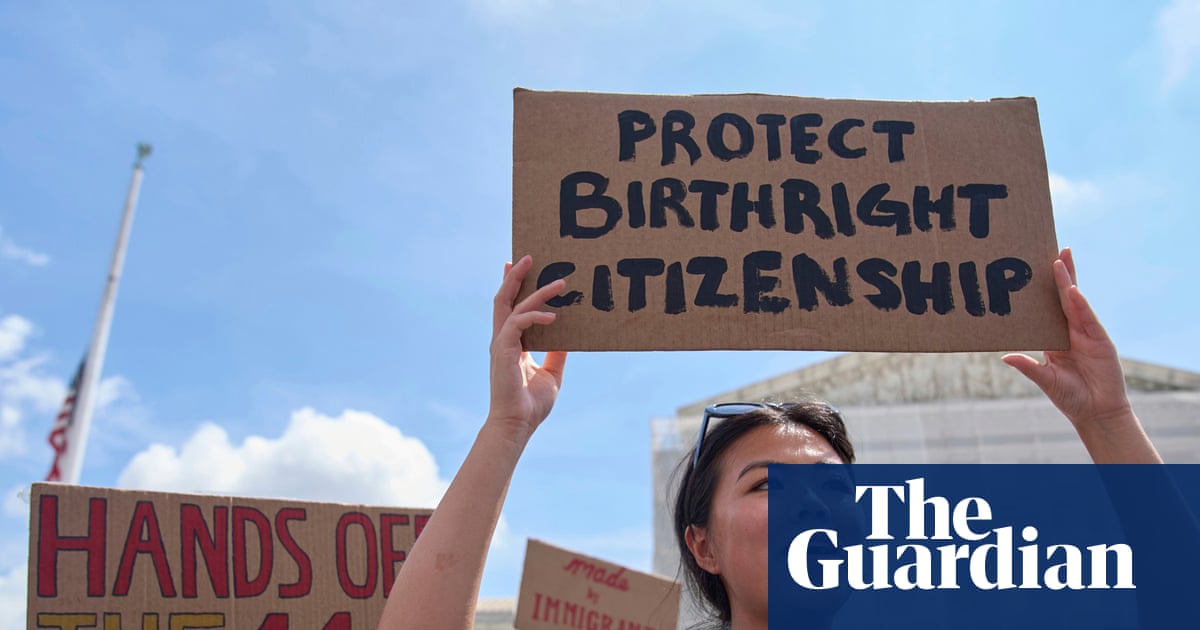
A federal judge in New Hampshire is now reviewing a request from the American Civil Liberties Union and other advocacy groups to halt the enforcement of new executive orders signed by President Donald Trump last week. The legal challenge centers on whether these latest directives constitute an unauthorized effort to bypass a recent Supreme Court ruling that invalidated the president’s initial attempt to restrict birthright citizenship. The filing, submitted on Tuesday, argues that the administration is disregarding clear judicial guidance by continuing to assert executive power over constitutional rights.
The controversy stems from a significant legal setback for the Trump administration in June, when the Supreme Court rejected an earlier, broader executive order issued at the start of the president’s second term. That original directive sought to deny automatic citizenship to children born to undocumented immigrants and temporary foreign residents. The high court ruled that such a move violated the 14th Amendment, establishing a firm constitutional barrier against stripping citizenship from class members through executive action alone.
Despite this ruling, President Trump has maintained his focus on dismantling birthright citizenship as a central component of his immigration strategy. On August 6, he signed new orders that aim to broaden the categories of children ineligible for automatic US citizenship. These measures specifically target so-called birth tourism, a practice where individuals travel to the United States to give birth and secure citizenship for their newborns. The administration views these adjustments as necessary corrections to what it perceives as an unfair system.
The ACLU’s legal team contends that the new orders are not merely policy adjustments but rather an evasion of the Supreme Court’s authority. In their court filing, the groups emphasized that the government cannot use executive orders or similar assertions of power to override constitutional protections. They asked the presiding judge to clarify that the latest directives do not threaten the citizenship status of children who were protected under an earlier injunction. The advocates argue that the president’s dissatisfaction with birthright citizenship as a constitutional right is irrelevant to its legal standing.
Cody Wofsy, deputy director of the ACLU Immigrants’ Rights Project, criticized the administration’s ongoing efforts in a public statement. He described the attacks on children’s citizenship as both illegal and cruel, asserting that it is time for such measures to end. The filing underscores the tension between executive ambition and judicial restraint, highlighting the difficulty of altering long-standing constitutional interpretations through administrative means alone.
In response to the legal challenge, a White House spokesperson defended the administration’s actions, stating that all steps taken since the recent Supreme Court rulings are consistent with the court’s holdings and analysis. The spokesperson insisted that the Trump administration has always followed court orders, framing the new executive orders as compliant adjustments rather than violations. This assertion stands in direct contrast to the ACLU’s characterization of the moves as improper evasions.
President Trump himself has expressed frustration with the judicial outcome, referring to the Supreme Court’s decision as very unfortunate during a press interaction on Thursday. He noted that while the vote was close, the result compelled him to make adjustments to address what he described as unfairness in the current system. His comments reflect a continued determination to pursue immigration restrictions despite legal hurdles, signaling that this issue remains a priority for his second term.
The 14th Amendment’s citizenship clause has historically included specific exceptions, such as children born to foreign sovereigns, diplomats, occupying forces, or on foreign ships, as well as those of Indigenous Americans. The new executive orders seek to expand these exclusions, potentially affecting a wider range of non-citizen parents. Legal experts and advocates are closely watching the New Hampshire court’s response to determine whether the administration can successfully narrow the scope of birthright citizenship without further legislative action.
As the legal battle unfolds, the practical implications for families remain uncertain. The injunction sought by the ACLU aims to preserve the status quo established by the earlier court orders, ensuring that children born in the US retain their citizenship rights pending a final resolution. The outcome of this case could set a critical precedent for how executive power interacts with constitutional guarantees in the realm of immigration policy.
The next steps depend on the federal judge’s ruling on the motion to block enforcement. If granted, the new orders would be suspended, reinforcing the Supreme Court’s earlier stance. If denied, the administration may proceed with implementing the expanded restrictions, likely prompting further legal challenges and intensifying the debate over the limits of presidential authority in immigration matters.
Sources behind this briefing
Go to the original reporting
- The Guardian US Politics↗ACLU asks judge to block new Trump order restricting birthright citizenship