The short version
- Average marketplace premiums are projected to rise by 13 percent in 2027 as pandemic-era financial assistance expires for many enrollees.
- New regulations restrict tax credits for certain lawfully present immigrants and tighten enrollment verification processes across the exchanges.
- Federal officials have removed hundreds of thousands of individuals from coverage programs citing fraud concerns, contributing to a decline in total enrollment numbers.
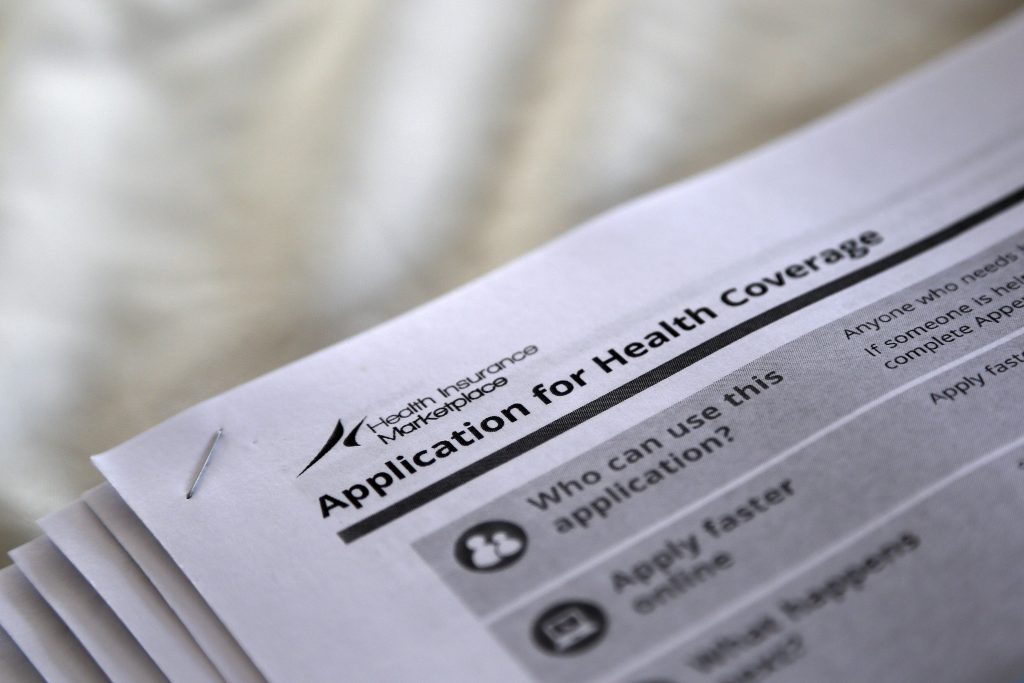
The open enrollment period for the Affordable Care Act marketplace begins this Sunday in most states, marking a significant shift in the landscape of American health insurance. The sign-up window, which runs through January 15, arrives amid substantial changes to how coverage is priced and who qualifies for financial assistance. Consumers navigating the exchanges should anticipate higher costs and fewer options compared to previous years, as the temporary subsidies that stabilized premiums during the pandemic era have largely expired.
Financial support mechanisms, including premium tax credits and cost-sharing reductions, are now restricted for many groups of people who previously qualified. This reduction in aid is a primary driver behind the projected increase in insurance costs. Analysis of new data from the Centers for Medicare and Medicaid Services indicates that the average price of health insurance purchased through these marketplaces is expected to rise by 13 percent in 2027. Healthcare experts warn that this trend will likely result in less overall coverage and higher out-of-pocket expenses for consumers.
Cynthia Cox, a vice president at the healthcare research nonprofit KFF, attributes the price surge to several converging factors. Rising healthcare costs and increased hospital market concentration play major roles, alongside potential influences from the No Surprises Act and the growing availability of GLP-1 drugs. These structural pressures mean that individuals who do not qualify for subsidies face the steepest increases. Many of these consumers have already shifted to bronze-tier plans, which offer the lowest premiums but higher deductibles, leaving them vulnerable to further financial strain.
The impact of these changes is already visible in enrollment figures. The number of people actively enrolled in ACA marketplace health plans has dropped significantly since the peak of pandemic-era subsidies. As of February, approximately 19.2 million people were enrolled, a figure that reflects a decline of 1.2 million from previous highs. During the administration of President Joe Biden, enhanced subsidies through the American Rescue Plan Act and Inflation Reduction Act helped drive enrollment up. However, with Republican opposition to extending those specific subsidies during Donald Trump’s second term, the financial buffer for many enrollees has disappeared.
Beyond cost increases, new regulations starting in 2027 introduce stricter eligibility criteria, particularly regarding immigration status. Tax credits will be limited for certain lawfully present immigrants, a policy change that could result in an additional one million uninsured individuals over time. These restrictions add another layer of complexity to the enrollment process, potentially deterring eligible residents from seeking coverage or forcing them into more expensive, unsubsidized plans.
The Trump administration has also intensified efforts to remove individuals from the program, framing these actions as part of a broader campaign against waste, fraud, and abuse. In September, Vice President JD Vance and other officials announced plans to remove 760,000 ACA enrollees from public healthcare exchanges. Officials alleged that these individuals were either fraudulently enrolled or did not exist. The administration claims that canceling subsidy payments for these hundreds of thousands of people will result in $2.2 billion in cost savings.
Despite the administration’s assertions, the exact impact of these removals on overall coverage remains unclear. It is difficult to determine how many more people will drop off ACA coverage in 2027 due to the combination of higher premiums, immigration eligibility changes, and anti-fraud enforcement. Cox noted that while fewer people are likely to be enrolled in this market, disentangling the specific causes of each decline will be challenging. The interplay between policy shifts and economic pressures creates a volatile environment for consumers.
Federal agencies continue to emphasize access to affordable options despite these headwinds. A fact sheet distributed by CMS states that Americans using HealthCare.gov will have robust access to low-cost plans. However, this assurance contrasts with the reality faced by those who fall outside the narrowed subsidy brackets. For many, the decision to maintain coverage may hinge on whether they can afford the increased premiums without government assistance.
As the enrollment period progresses, consumers and advocates are closely monitoring how these changes play out in real time. The combination of expiring financial aid, stricter verification checks, and targeted removals suggests a contraction in the marketplace’s reach. Understanding why individuals lose coverage will require careful analysis of data that may not fully distinguish between voluntary drops due to cost and involuntary removals due to administrative actions.
Looking ahead, the stability of the ACA marketplace depends on how these new policies affect consumer behavior and insurer participation. If premiums continue to rise and eligibility narrows, the risk pool could become less diverse, potentially leading to further instability. Policymakers and healthcare providers will need to assess whether current measures adequately protect vulnerable populations or if additional interventions are necessary to prevent a broader coverage crisis.
Sources behind this briefing
Go to the original reporting
- PBS NewsHour↗What to know about the Affordable Care Act's open enrollment period