The short version
- Abdul El-Sayed was elected to the US Senate from Michigan in a hard-fought race.
- He launched a political action committee named 'Habibi' and welcomed plans to cut aid to Israel.
- Reports highlight his background as a Rhodes Scholar and former lacrosse captain at Oxford University.
Abdul El-Sayed has been elected to the US Senate representing Michigan, securing victory in a closely contested race that drew significant national attention. Following his win, the senator-elect launched a new political action committee named 'Habibi,' a term of affection that resonated with Arab communities and was celebrated in his victory speech. The establishment of the PAC signals an early move to consolidate support and influence policy agendas as he prepares for his tenure in Washington.
El-Sayed’s campaign focused on several key promises, including healthcare reform and economic justice, which helped him navigate a challenging electoral landscape. His victory marks a significant shift in Michigan’s political representation, bringing a physician and public health expert to the federal legislature. The hard-fought nature of the race underscored the competitive dynamics within the state, where voter turnout and engagement were critical factors.
In addition to his domestic policy platform, El-Sayed has drawn attention for his foreign policy positions. He publicly welcomed President Trump’s plan to cut aid to Israel, calling for an end to arms sales. This stance aligns with his long-standing advocacy for Palestinian rights and has positioned him as a prominent voice on Middle East issues within the Democratic Party. His comments have generated buzz among supporters who prioritize diplomatic shifts in US foreign relations.
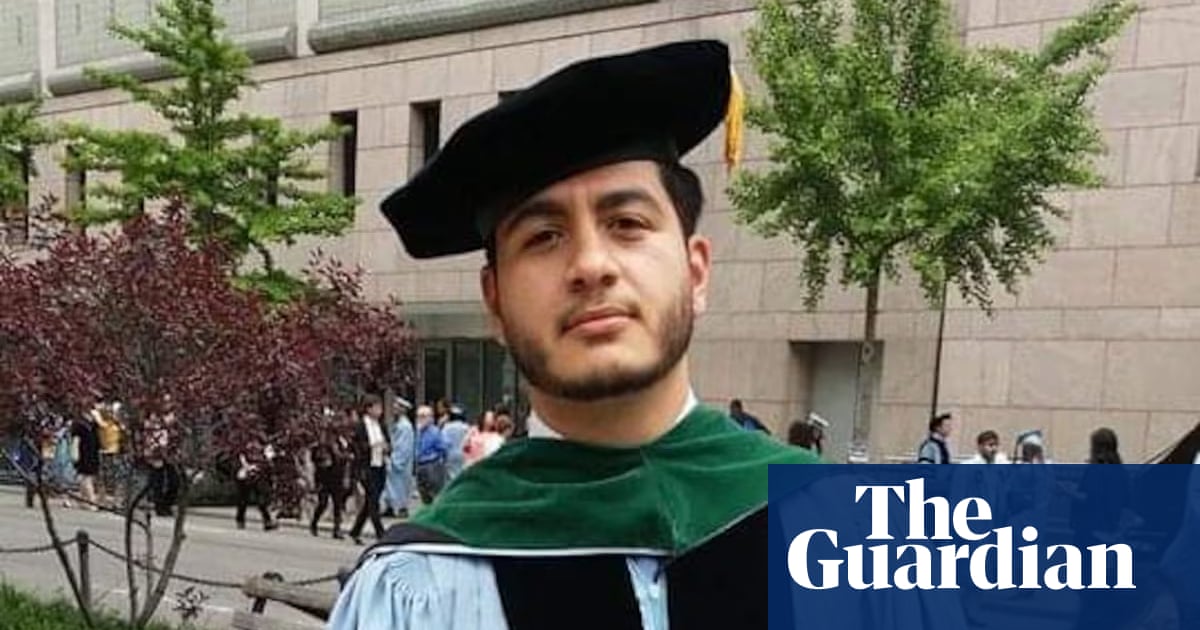
Background reports highlight El-Sayed’s academic and athletic achievements prior to his political career. He was a Rhodes Scholar at Oxford University, where he earned a PhD in medicine. During his time in Britain, he served as captain of the university’s lacrosse team, earning praise from peers for his leadership and competitive spirit. Former teammates described him as driven and friendly, noting his ability to balance serious academic pursuits with social engagement.
Anecdotes from his Oxford years reveal a personal side that contrasts with his public persona. El-Sayed was known for his fondness of coronation chicken sandwiches, leading a local cafe owner to create a custom menu item named 'the Abdul.' He even acknowledged the cafe owner in his doctoral thesis, thanking him for nourishing both his stomach and soul. These details provide insight into his character beyond the political arena.
El-Sayed’s transition from academia to politics has been marked by his ability to connect with diverse voter bases. His use of cultural references, such as the term 'Habibi,' has helped him build rapport with Arab-American communities. This strategy appears to be part of a broader effort to mobilize underrepresented groups and expand the Democratic coalition in Michigan.
As he prepares for his Senate duties, El-Sayed faces the challenge of translating campaign promises into legislative action. His background in public health may inform his approach to healthcare policy, while his advocacy on foreign issues could shape debates on international aid and diplomacy. The launch of his PAC suggests a commitment to sustaining momentum beyond the election cycle.
The senator-elect’s victory has also prompted reflections on his early life and influences. Former university president Mary Sue Coleman praised him as an engaged intellect during his sendoff ceremony in 2008, highlighting his potential for leadership. These endorsements from academic figures add credibility to his political ambitions and underscore the respect he commands within intellectual circles.
Looking ahead, El-Sayed’s role in the Senate will likely involve navigating complex partisan dynamics while advancing his policy priorities. His ability to maintain support from both traditional Democratic voters and newer constituencies will be crucial. The success of his 'Habibi' PAC may serve as an indicator of his capacity to organize and fundraise effectively in the coming years.
Sources behind this briefing
Go to the original reporting
- The Guardian US↗Abdul El-Sayed’s Oxford years: PhD, political influences and sporting distinction
- NPR↗Abdul El-Sayed welcomes Trump's plan to cut Israel aid, calls for end to arms sales
- PBS↗'JD, habibi.' Arabs celebrate El-Sayed's use of a term of affection in his victory speech
- Al Jazeera↗US Senator Abdul El-Sayed launches ‘Habibi’ political action committee